


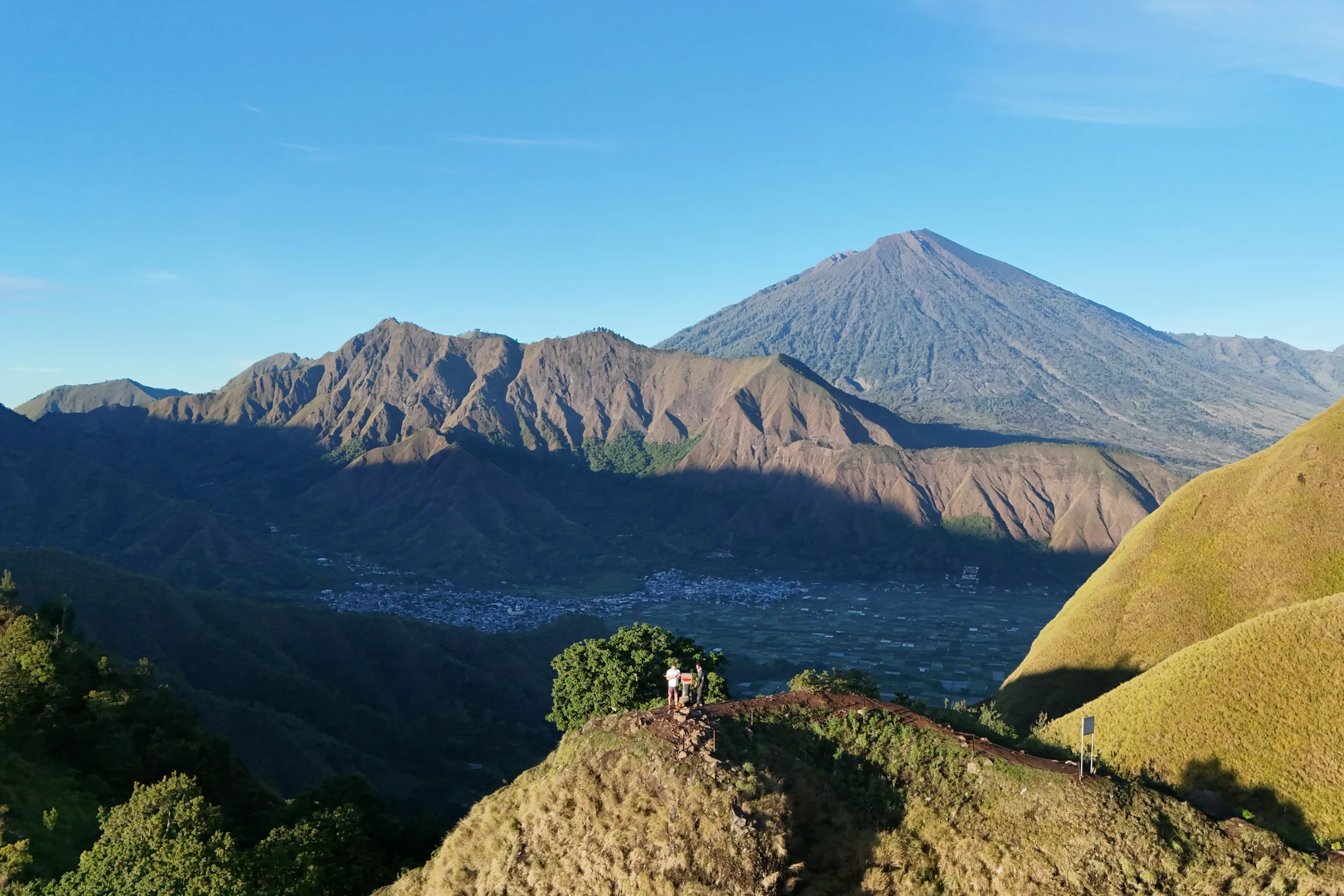
Sembalun Highlands Expedition
An entry-level school expedition program in the highlands of Lombok, Indonesia
Enquire NowThis page covers the Sembalun Highlands Expedition offered by Venture Beyond Expeditions, an entry-level school trekking program based in the Sembalun Valley, Lombok, Indonesia. The program is designed for groups new to multi-day hiking and for schools wanting a structured outdoor education experience without the demands of a Rinjani summit attempt, with flexible itineraries ranging from 3 to 8 days and routes suited to all ability levels from half-day walks to multi-day overnight programs across eight peaks including Dandaun, Bao Daya, Pergasingan Hill, Anak Dara, Kondok-Seribu, Bukit Gedong, Sembalun Crater Rim, and Bukit Nanggi. The page includes embedded route maps for each trekking option, a frequently asked questions section, and is written for Heads of Outdoor Education, Deputy Principals, and teachers assessing whether the Sembalun Highlands Expedition is the right program for their students.
Sembalun Highlands Expedition
About This Program
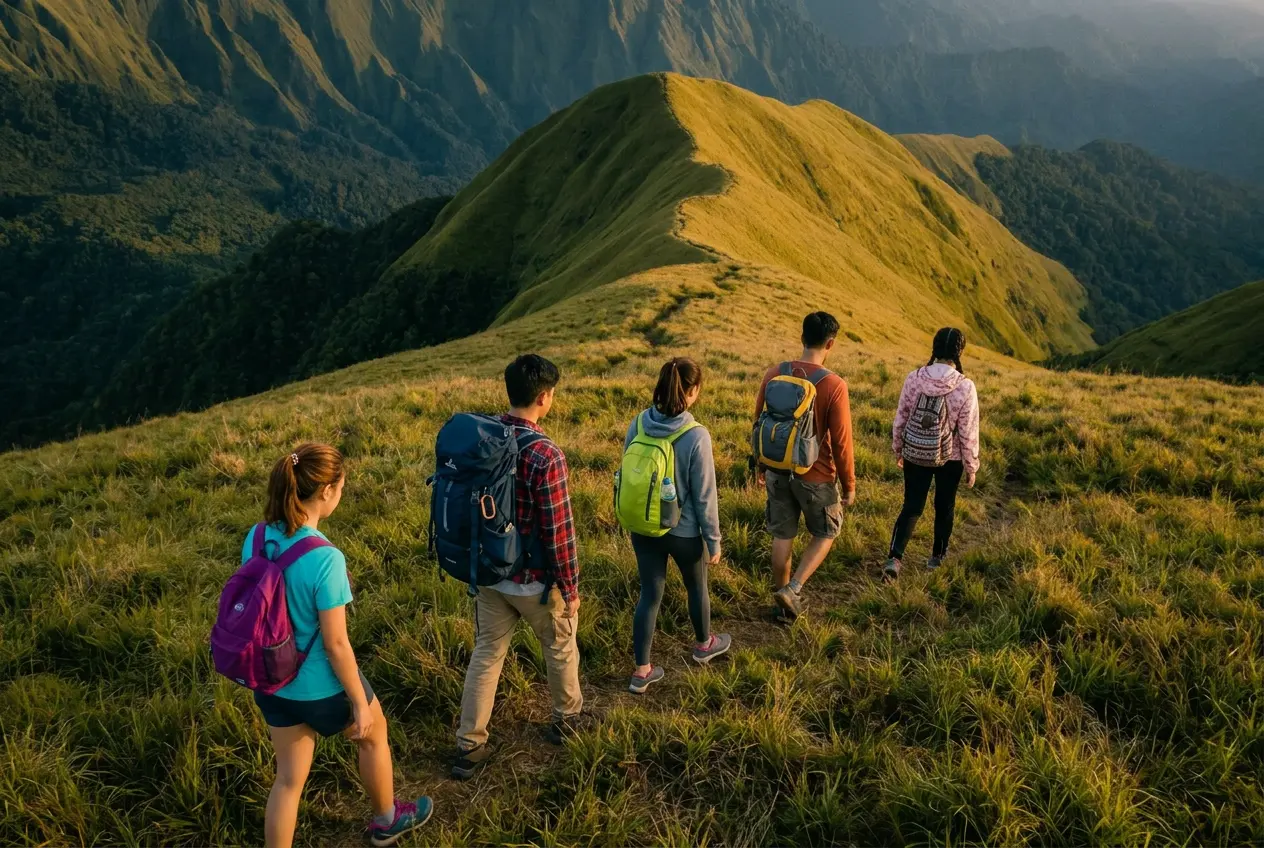
The Sembalun Highlands Expedition is Venture Beyond’s entry-level school program, designed for groups new to multi-day hiking and for schools wanting a structured outdoor education experience without the demands of a Rinjani summit attempt.
Programs are built around the remarkable range of terrain the Sembalun Valley offers. Depending on timeframe and group ability, we typically begin with day hikes to smaller peaks such as Bukit Pergasingan or Duan Duan, returning to accommodation each afternoon for a debrief, dinner and rest. As the program progresses, we move to peaks that involve overnight camping. Anak Dara, Gedong, and Kondo are popular choices before building toward a higher objective such as Gunung Sempana or the Sembalun Crater Rim.
No two programs are identical. The Sembalun Highlands offers enough variety to suit all ability levels and most school timeframes, and we work with each school to design an itinerary that matches their students and objectives.
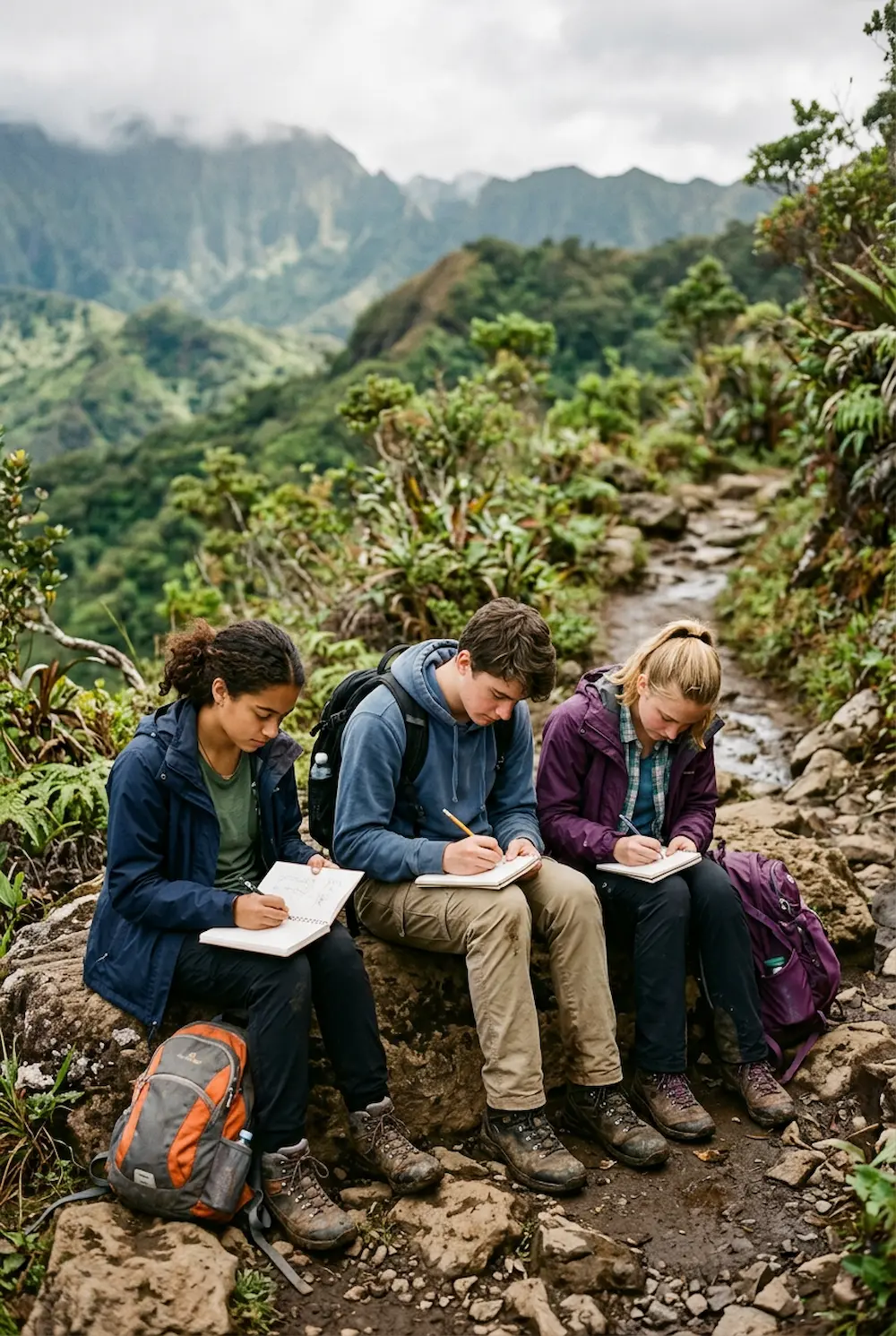
This program is well-suited to younger year groups, students with limited hiking experience, and schools using the expedition as a foundation for future programs on Rinjani. It can also be extended with community and service components through our partners in Senaru.
Full itinerary and risk assessment documentation are available on request.
What We Offer
Program Flexibility
Curriculum Alignment
Safety and Risk Management
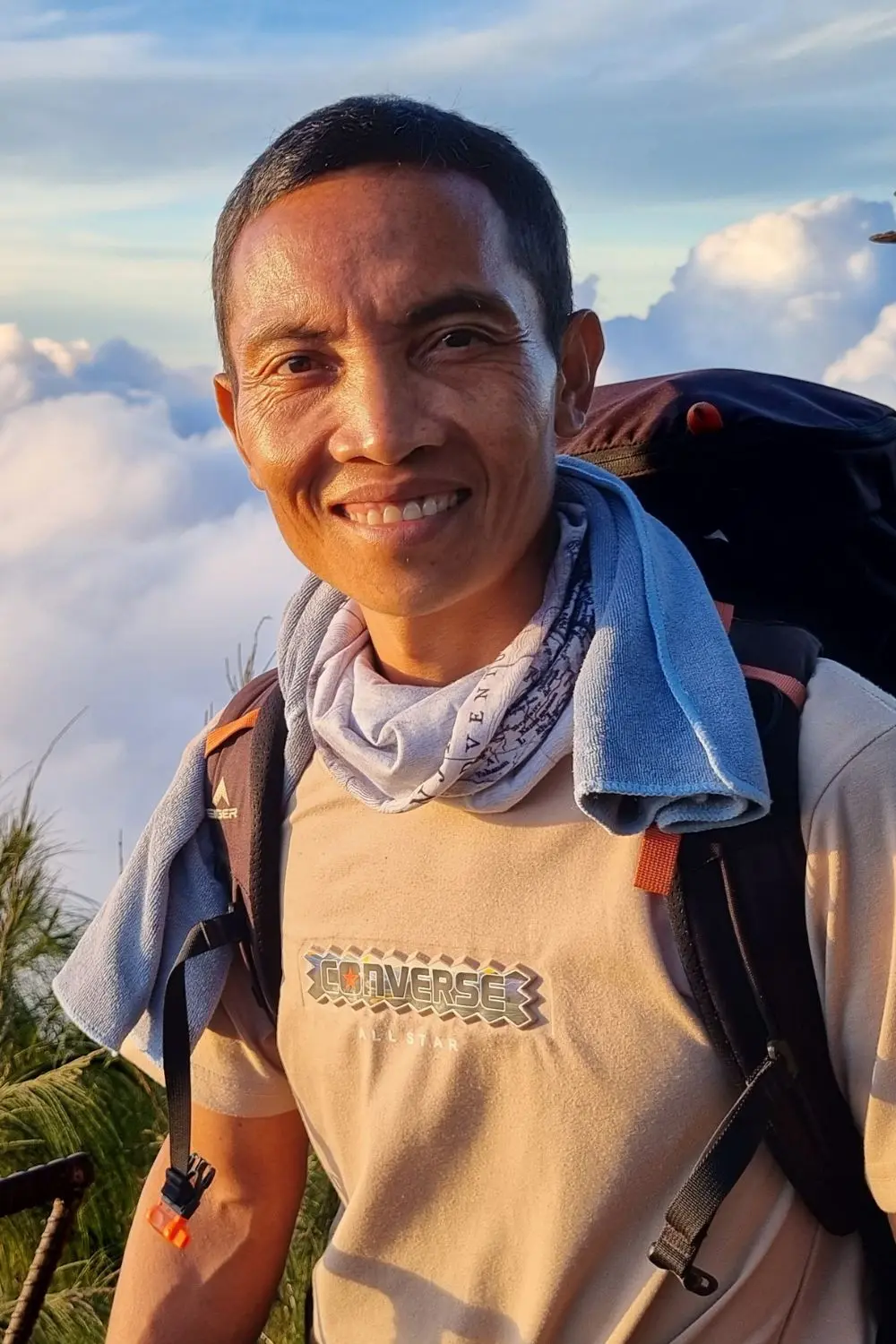
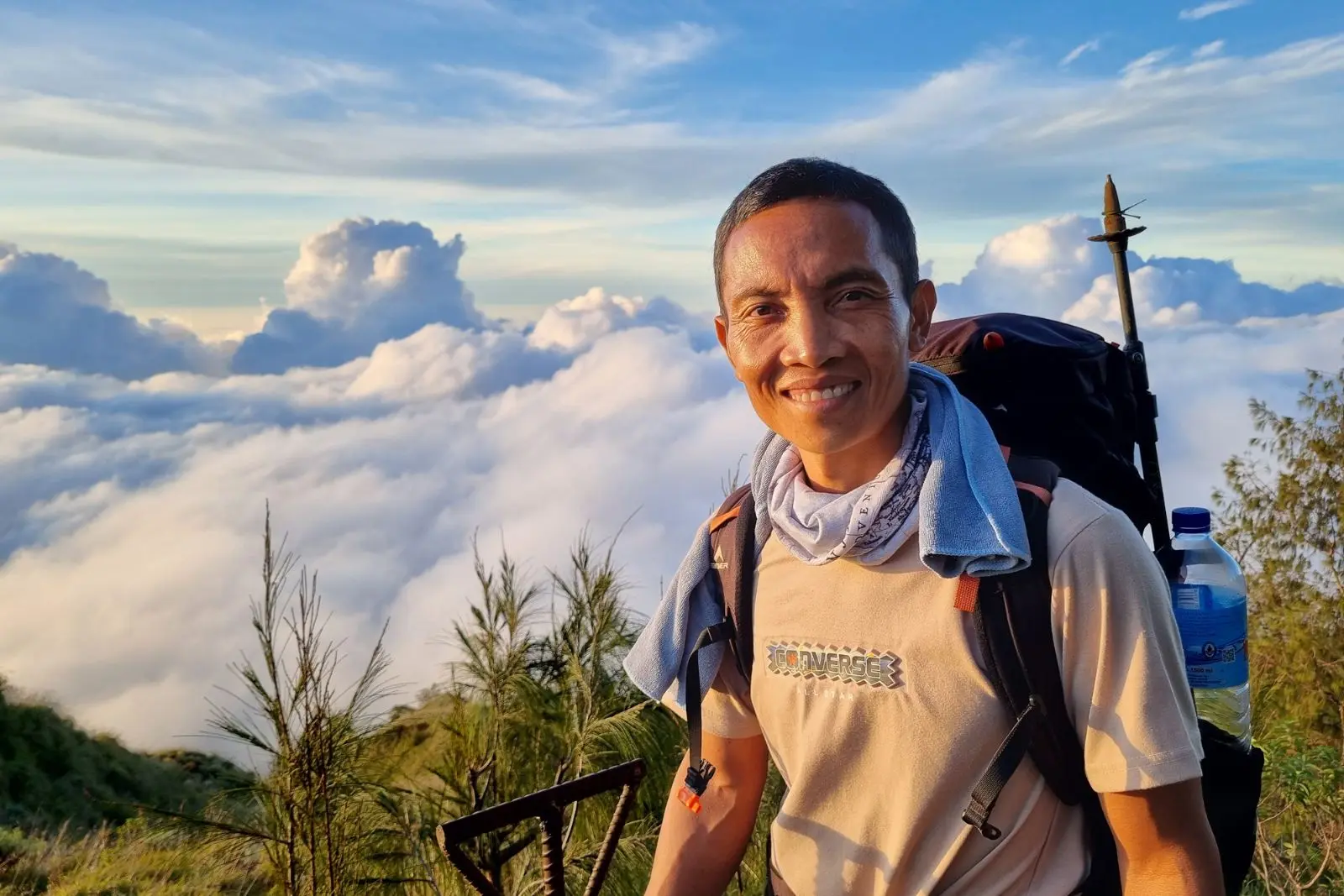
Experienced Local Guides
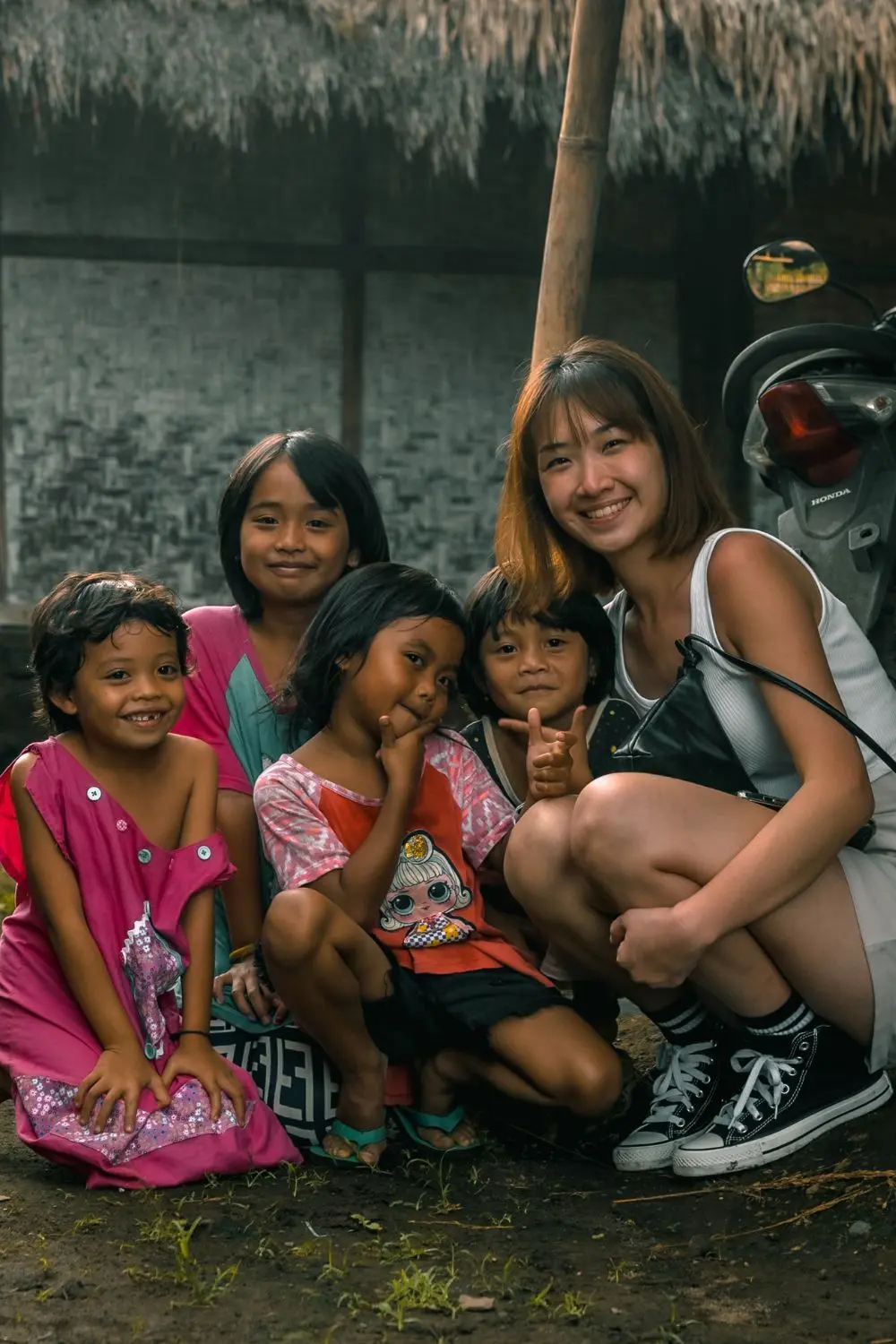
Community Connection
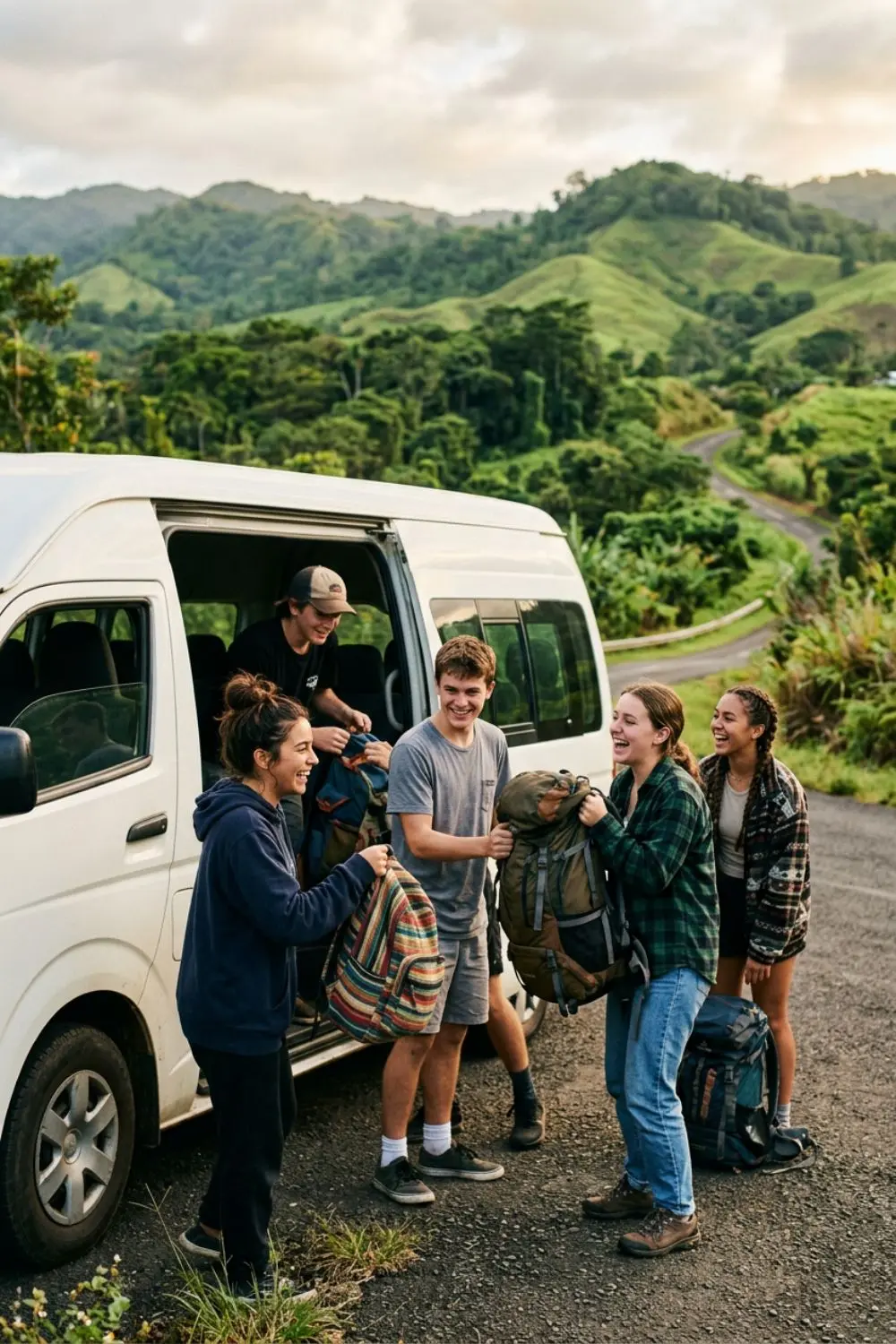
Full Logistics Support
Trekking Options
Schools can choose from a range of peaks and routes across the Sembalun Highlands, from short half-day walks to multi-day overnight programs. The tabs below are arranged in approximate order of difficulty and commitment. Use them to explore what suits your group's experience level, timeframe, and objectives.

Distance: 2.33 km (round trip)
Max Elevation: 1,537m (Bukit Telaga)
Start Elevation: 1,190m (Sembalun)
Elevation Gain: +347m
Elevation Loss: -314m
Start / Finish: Sembalun Village
Type: Day trek – suitable for arrival day
Trek Summary
The Dandaun Trail is the most accessible trek in the Sembalun Highlands and a natural choice for a group’s first afternoon in Sembalun. The route climbs from the village through the Dandaun savanna to Bukit Telaga at 1,537m, gaining 347m over just over a kilometre of trail. Most school groups reach the viewpoint in 45 minutes to 1 hour, with the descent taking around 30 to 40 minutes.
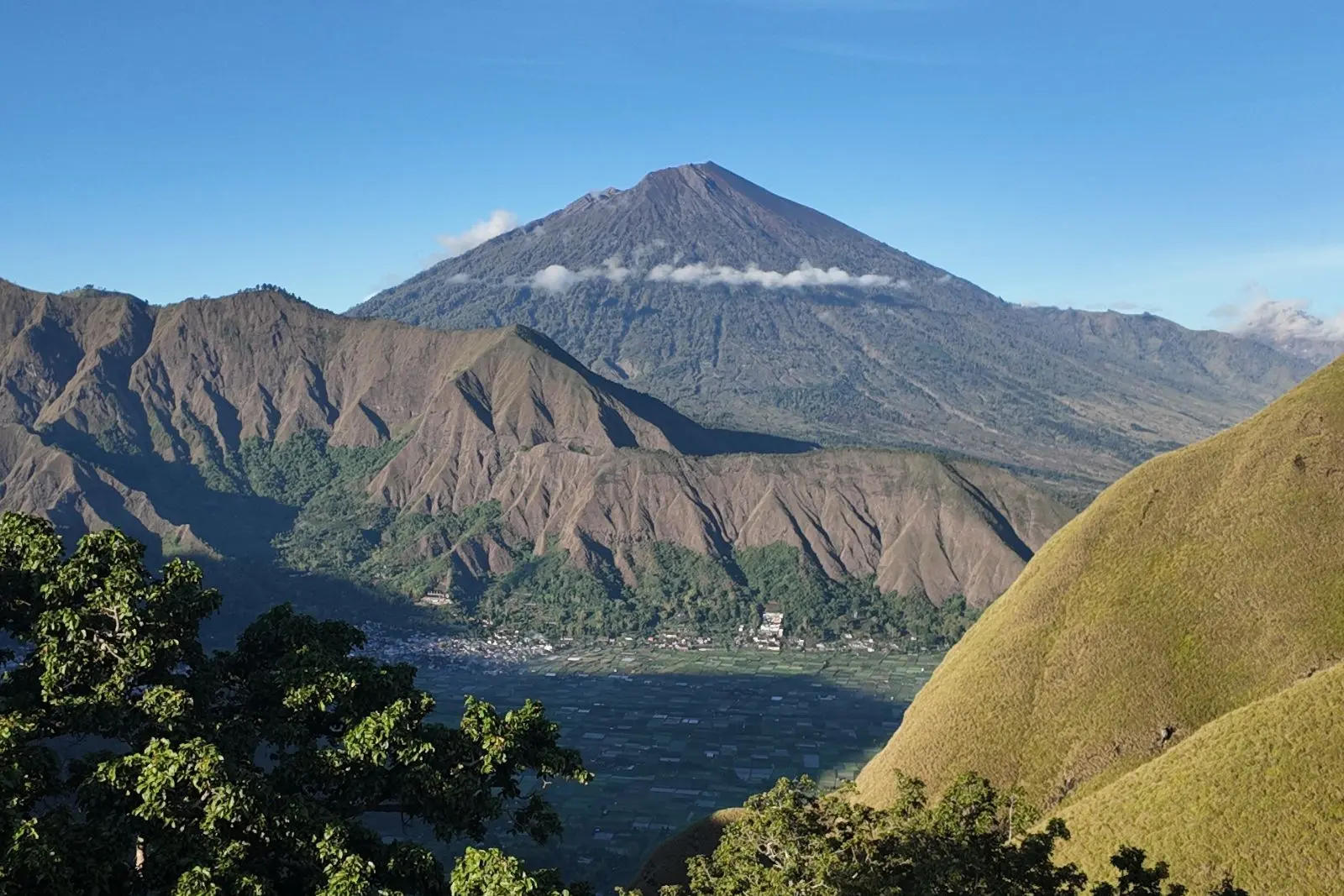
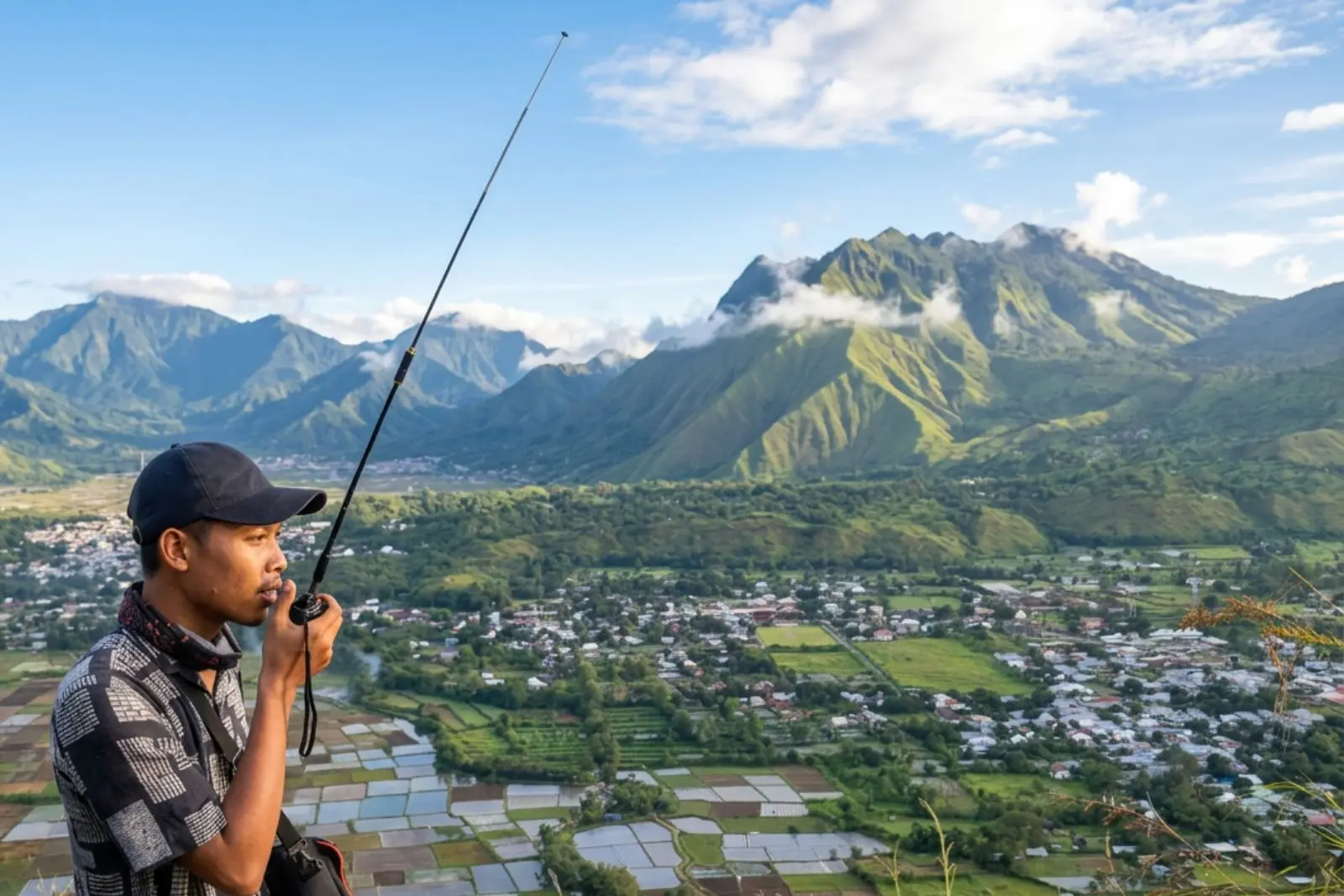
From the summit, Rinjani fills the western skyline and the full sweep of the Sembalun Valley opens below. For students arriving after a long travel day, this short climb delivers an immediate sense of where they are and what the program is about.
The Dandaun Trail works well as a pre-dinner walk on arrival day, as a warm-up activity at the start of a longer program, or as a standalone objective for younger or less experienced groups wanting a first taste of highland trekking without a full-day commitment.

Distance: 4.12 km (round trip)
Max Elevation: 1,555m (Bao Daya Summit)
Start Elevation: 1,250m (Sembalun)
Elevation Gain: +304m
Elevation Loss: -289m
Start / Finish: Sembalun Village
Type: Day trek – ideal for sunrise or sunset
Trek Summary
The Bao Daya Trail is a gentle half-day trek and one of the best sunrise or sunset objectives in the Sembalun Highlands. The route climbs from Sembalun Village through open grassland, gaining 304m over approximately 2km to reach the summit at 1,555m. Most school groups reach the top in 1 to 1.5 hours at a comfortable pace.
The summit offers clear views across the Sembalun Valley and toward Rinjani, and the short distance makes it easy to time the approach around first light or late afternoon. Descent takes around 45 minutes to 1 hour, returning to the village well before dark if departing at sunset.
Bao Daya works well as a confidence-building first full day for groups who have already completed the Dandaun Trail on arrival, and as a stepping stone before moving on to longer overnight objectives such as Anak Dara or Bukit Gedong.

Distance: 5.47 km (round trip)
Max Elevation: 1,798m (Pergasingan Hill)
Start Elevation: 1,158m (Sembalun)
Elevation Gain: +717m
Elevation Loss: -717m
Start / Finish: Sembalun Village
Type: Day trek
Trek Summary
Pergasingan Hill is the most popular day trek in the Sembalun Valley and a natural first objective for school groups new to highland trekking on Lombok. The route climbs steadily from Sembalun Village through open savannah grassland, with Rinjani’s summit cone dominating the skyline throughout the ascent. The final ridge section involves some hands-on scrambling before opening onto a narrow summit at 1,798m with panoramic views across the valley floor and toward the Rinjani crater.
The trek is well-suited as a confidence-building day for groups early in a multi-day program. The exposed ridgeline and elevation gain provide genuine challenge without technical difficulty, and the descent returns via the same route, keeping logistics simple. Most school groups complete the round trip in 4 to 6 hours depending on fitness and pace.

Distance: 4.74 km (round trip)
Max Elevation: 1,870m (Anak Dara Summit)
Start Elevation: 1,221m (Sembalun)
Elevation Gain: +651m
Elevation Loss: -655m
Start / Finish: Sembalun Village
Type: 2-day overnight
Trek Summary
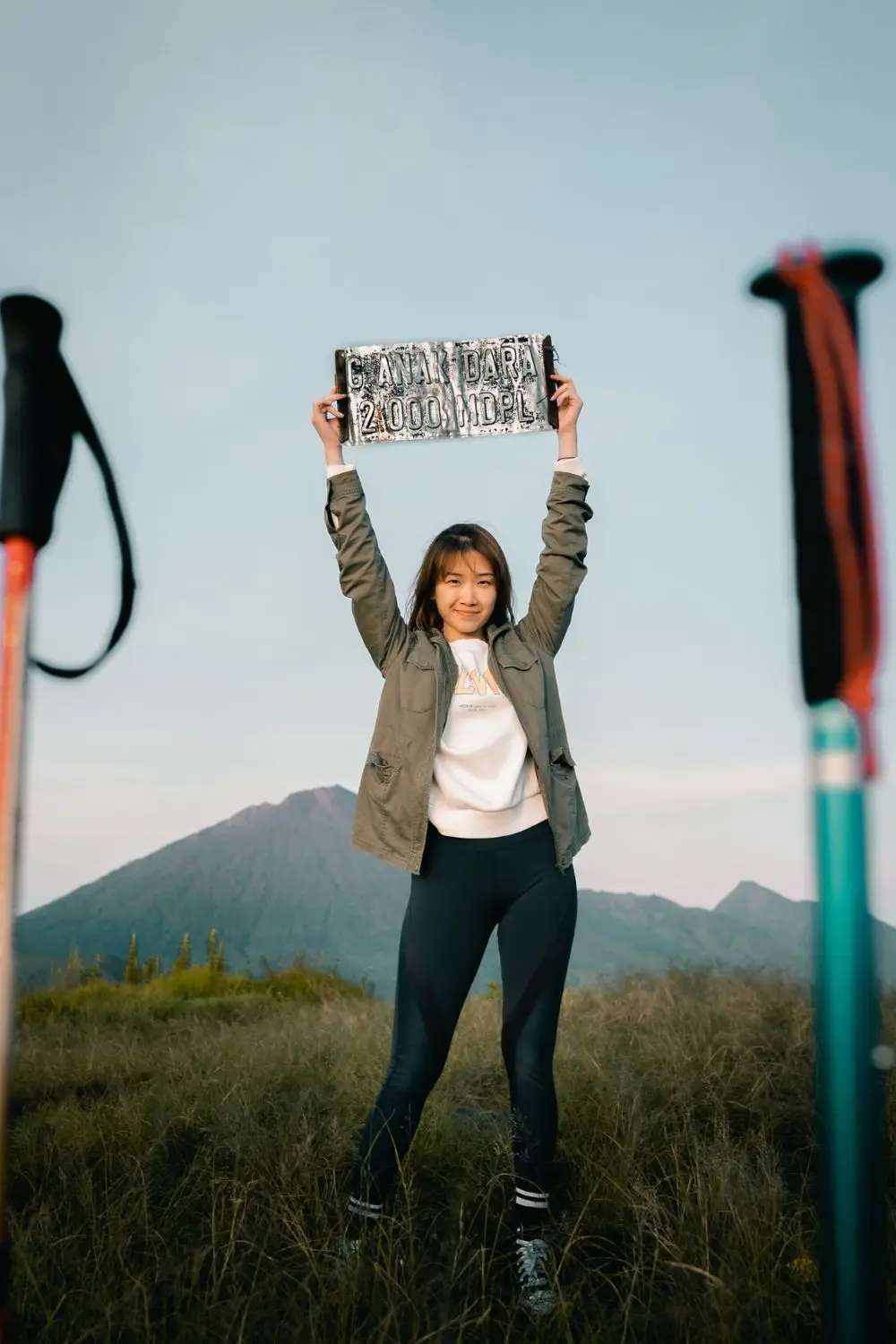
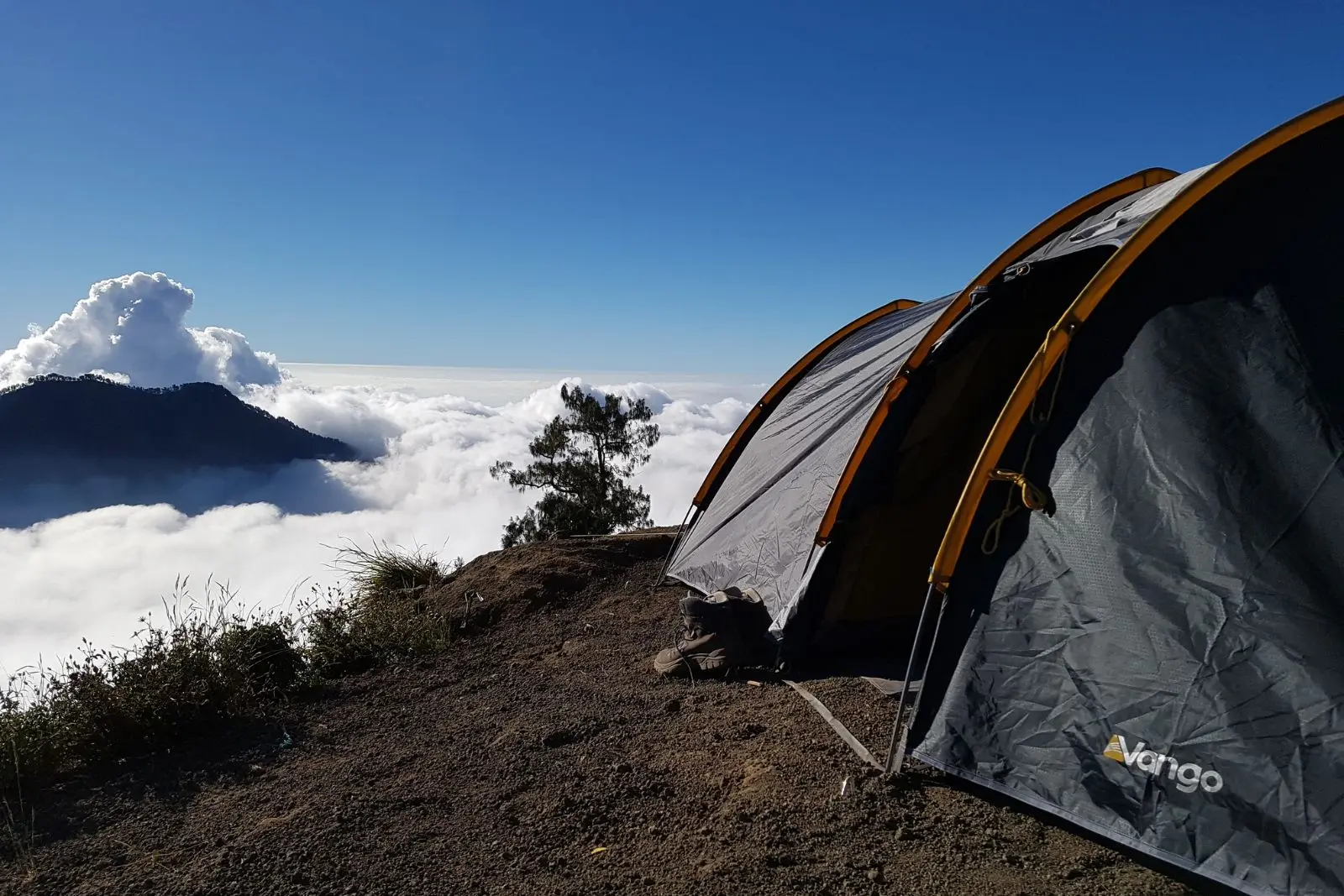
Anak Dara is a compact overnight objective that delivers a genuine summit experience within a short distance from Sembalun Village. The route climbs steadily through open grassland on Day 1, gaining significant elevation over approximately 2 to 3 hours before reaching the summit ridge at 1,870m, where students camp overnight. The exposed ridge position means clear weather brings exceptional views across the Sembalun Valley floor and toward the Rinjani massif.
Day 2 descends via the same route, typically taking 1.5 to 2 hours and finishing by mid-morning, leaving the afternoon free for debrief, rest, or a cultural activity in Senaru.
Anak Dara works well as a second or third objective within a longer Sembalun Highlands program, after students have completed a day trek such as Pergasingan Hill. The overnight camp at altitude is often a highlight for younger groups experiencing their first mountain bivouac.

Distance: 6.64 km (round trip)
Max Elevation: 1,934m (Gunung Seribu)
Summits: Bukit Kondok (1,801m) and Gunung Seribu (1,934m)
Start Elevation: 1,267m (Sembalun)
Elevation Gain: +817m
Elevation Loss: -811m
Start / Finish: Sembalun Village
Type: Day trek or 2-day overnight
Trek Summary
The Kondok-Seribu Traverse is a dual-summit loop taking in Bukit Kondok at 1,801m and Gunung Seribu at 1,934m, starting and finishing in Sembalun Village. The route covers 6.64km with 817m of total ascent, making it one of the more demanding day options in the Sembalun Highlands. It can also be run as a 2-day overnight program with camp near the summit ridge.
The loop format adds variety compared to out-and-back routes, and the twin summits give groups a genuine sense of progression through the day. Clear conditions bring views across the Sembalun Valley, surrounding peaks, and the eastern coastline of Lombok.
The Kondok-Seribu Traverse works well as a full-day challenge objective later in a multi-day program, once students have built confidence on shorter routes such as Pergasingan Hill or Anak Dara. The overnight option suits groups wanting a second camping experience before a rest day or departure.

Distance: 6.19 km (round trip)
Max Elevation: 2,144m (Bukit Gedong)
Start Elevation: 1,501m (Sembalun)
Elevation Gain: +643m
Elevation Loss: -627m
Start / Finish: Sembalun Village
Type: 2-day overnight
Trek Summary
Bukit Gedong is a solid overnight program that takes students from the Pusuk Sembalun trailhead to a summit ridge at 2,144m. The Day 1 ascent begins through forest before opening onto open montane grassland and ridge terrain, with views toward Rinjani becoming visible as the tree cover thins. The approach takes approximately 3 to 4 hours at school group pace, finishing at a sheltered campsite near the summit where students spend the night.
Day 2 descends via the same route, typically taking 2 to 2.5 hours and returning to the trailhead by mid-morning. The views from the ridge on a clear morning extend across the full width of the Sembalun Valley and toward the coast.
Bukit Gedong is a natural progression from a Pergasingan Hill or Bao Daya day trek and works well as the overnight centrepiece of a 4 to 6 day Sembalun program. The summit elevation of 2,144m gives students a meaningful high-altitude experience without the technical demands of the Rinjani crater rim.

Distance: 18.62 km (round trip)
Max Elevation: 2,659m (Sembalun Crater Rim)
Start Elevation: 1,063m (Sembalun)
Elevation Gain: +1,822m
Elevation Loss: -1,822m
Start / Finish: Sembalun Village
Type: 2-day overnight
Trek Summary
The Sembalun Crater Rim Trek is the most demanding program in the Sembalun Highlands and the natural capstone of a multi-day expedition program. The route climbs from Sembalun Village at 1,063m to the southern crater rim of Mount Rinjani at 2,659m, gaining nearly 1,600m of vertical over 9.3km on Day 1. The ascent passes through open savanna grassland before the gradient steepens significantly on the upper slopes, finishing at a high camp on or near the crater rim.
Day 1 typically takes 7 to 9 hours at school group pace and is physically the hardest day students will encounter in the Sembalun Highlands. The camp at the crater rim, with the caldera lake visible below and the summit pyramid above, is one of the defining experiences of the program.
Day 2 descends via the same route, taking approximately 4 to 5 hours to return to the village. The descent requires care on the steep loose sections of the upper trail.
This program requires students to have completed at least one prior overnight trek. It is not suitable as a first objective and works best as the final challenge in a progressive 6 to 8 day Sembalun program.

Distance: 15.9 km return
Max Elevation: 2,260m (Bukit Nanggi)
Start Elevation: 1,233m (Sembalun)
Elevation Gain: +2,379m
Elevation Loss: -2,379m
Start / Finish: Sembalun Village
Type: 2-day overnight – advanced groups only
Trek Summary
Bukit Nanggi is the highest non-volcanic summit on Lombok at 2,260m and the most demanding program in the Sembalun Highlands. The route climbs from Sembalun Bumbung through garlic and strawberry farmland before entering open savanna grassland and a series of steep ridgelines. The summit offers a 360-degree panorama, with Rinjani’s crater wall to the west and, on a clear morning, the silhouette of Mount Tambora on Sumbawa to the east.
This program is offered as an advanced alternative for small groups, and as a contingency when Rinjani summit access is restricted. It is not suitable for groups without prior overnight trekking experience. We will assess group suitability before confirming this program.
Full itinerary, route notes, and risk assessment documentation are available on request. Contact us to discuss your program.
Safety and Operations
Venture Beyond Expeditions operates this program under a risk management framework aligned with the Australian Adventure Activity Standards. Our guide-to-student ratio is 1:4, with a minimum of two qualified guides on every program regardless of group size. All guides hold current first aid certification and have extensive experience leading school groups in the Sembalun Highlands.
Every lead teacher receives a full emergency protocol document before departure, covering evacuation routes, the contact chain, and the location of the nearest medical facilities. Saefudin Zohri, co-founder of Rinjani Dawn Adventures, is based at our Senaru office throughout every school expedition and coordinates directly with guides and emergency services if required.
The Sembalun Highlands programs operate at moderate altitude and on well-established trails. Our guides make go/no-go decisions in the field based on current conditions and the assessed capability of the group – not from an office. If conditions are unsuitable or a student is unable to continue, we will modify the program accordingly at no penalty to your school.
Detailed risk assessment documentation is available on request for school risk committees and board presentations.
Frequently Asked Questions
Do we have to complete all the treks, or can we choose?
No. Every program is designed around your group’s ability, timeframe, and objectives. We work with you before departure to select the treks that best suit your students. Most schools complete between three and five objectives over a five to eight day program, mixing day treks with one or two overnight options.
How do you decide which treks are suitable for our group?
We discuss your group with you before the program, covering year level, general fitness, prior outdoor experience, and any individual considerations. From there we recommend a route progression that builds confidence progressively.
No two programs are identical, and we adjust in the field if conditions or group performance require it.
Can we mix day treks and overnight treks in one program?
Yes, and this is how most school programs are structured. A typical program might begin with one or two day treks to build confidence and acclimatise students to the terrain, before moving to an overnight objective such as Anak Dara or Bukit Gedong as the program centrepiece.
What happens if a student can't complete a trek?
A guide will always accompany any student who needs to turn back or rest, so the rest of the group can continue safely. A teacher will also need to accompany any student who withdraws from a trek, which means teacher-to-student ratios and supervision planning should be considered carefully when designing your program.
This is one reason we recommend discussing staff allocation with us during the planning stage. We can help you structure the program so that contingencies like this are accounted for in advance.
Are the treks technical, or suitable for beginners?
Most treks in the Sembalun Highlands program are suitable for students with no prior trekking experience, provided they have a reasonable level of general fitness. Routes such as the Dandaun Trail, Bao Daya, and Pergasingan Hill involve straightforward walking on established trails with no technical difficulty.
More demanding options include the Sembalun Crater Rim, which requires significant elevation gain and is only recommended for groups who have completed at least one prior overnight trek, and Bukit Nanggi, the most advanced route in the program, which involves steep sections and is reserved for experienced groups. The Pergasingan Hill summit ridge also involves some hands-on scrambling.
We will always assess group suitability before confirming higher objectives.
What is the difference between the Sembalun Crater Rim and a full Rinjani summit?
The Sembalun Crater Rim at 2,659m is the highest point on the Venture Beyond school program. It offers views directly into the Rinjani caldera and across the crater lake, and is a significant achievement in its own right.
The full Rinjani summit at 3,726m involves an additional push from the crater rim in the early hours of the morning, gaining a further 1,000m on steep, loose volcanic trail. It is substantially more demanding and is offered as a separate program. Most school groups on their first visit to Lombok are better suited to the crater rim as their high point.
What is the minimum and maximum group size?
We accept school groups of 8 to 30 students. Larger groups can be accommodated with additional planning — the largest program we have run to date included 50 participants including teachers. Contact us to discuss requirements for larger groups.
What is included in the program fee?
The program fee covers all guiding and safety staff, porters to carry tents and group equipment, accommodation in Sembalun Village, all meals during the program, camping equipment including tents and sleeping mats, transport between trailheads, entrance fees to all hills and summits, and rescue cover for the duration of the program.
International and domestic flights, travel insurance, and personal equipment are not included. A detailed inclusions list is available on request.
How are programs customised for our school?
We work with each school individually during the planning stage to design an itinerary that matches your students, curriculum goals, and available timeframe. We can incorporate IB CAS outcomes, Duke of Edinburgh requirements, or other outdoor education frameworks into the program structure.
Optional add-ons include community and service components through our partners in Senaru village. Full itinerary, risk assessment documentation, and pre-departure resources are available on request.
What are your guide qualifications and ratios?
All programs are guided by Rinjani Dawn Adventures, our local partner based in Sembalun and Senaru. Our guides have extensive experience leading groups on Rinjani and across the Sembalun Highlands, and are trained in basic first aid and emergency response.
We maintain a guide-to-student ratio of 1:4, with a minimum of two guides on every program regardless of group size. Saefudin Zohri, co-founder of Rinjani Dawn Adventures, coordinates all school expeditions from our Senaru office and is available throughout the program.
Can you provide risk assessment documentation for our school?
Yes. Angus Lawrence, Venture Beyond’s Australian director, prepares comprehensive risk assessments and emergency rescue plans for every program. These are available on request and are suitable for submission to school risk committees and board presentations.
We can also provide route notes, emergency protocols, and guide profiles as part of a full pre-departure information pack.
How do you manage a medical emergency on the mountain?
Every program operates with a written emergency protocol provided to the lead teacher before departure. This covers evacuation routes, the contact chain, and the location of the nearest medical facilities.
All guides carry comprehensive first aid kits and are trained in wilderness first aid. For minor injuries, self-rescue and assisted walking evacuation is always the preferred approach. We carry a portable backboard stretcher on all school group expeditions for situations where a student cannot walk out independently.
In the event of a serious incident, evacuation is coordinated by Saefudin Zohri from our Senaru office, who liaises directly with guides on the mountain and with emergency services if required. Helicopter rescue is now available within Mount Rinjani National Park and can be activated when required. This is covered by travel insurance, which we strongly recommend for all participants. Rescue cover is included in the program fee for all participants.
How does Venture Beyond differ from a standard tour operator?
Venture Beyond Expeditions is built specifically for schools. We are not a general trekking operator that occasionally takes school groups. Every program we run is designed around school group dynamics, duty of care requirements, and curriculum outcomes.
Our risk management framework is aligned with the Australian Adventure Activity Standards, and all documentation is prepared with school risk committees in mind. Angus Lawrence, our Australian director, is personally responsible for risk assessments and rescue planning on every program.
We work with a single trusted local partner, Rinjani Dawn Adventures, rather than contracting guides through third-party agencies. This means consistent quality, accountability, and a relationship built over many programs in the same terrain.
Need a Custom Program?
Every school is different. If you have specific curriculum requirements, group size, budget, or timing constraints, we can design a program around them. Talk to us about what you need.
Enquire About This Program
Tell us about your school and your program requirements. We respond to all school enquiries within three business days.