


Rinjani Crater Rim Expedition
Senaru Crater Rim and Second Summit expeditions on Mount Rinjani, Lombok, Indonesia
Enquire NowThis page covers the Rinjani Crater Rim Expedition offered by Venture Beyond Expeditions, a school trekking program on Mount Rinjani, Lombok, Indonesia. Three itinerary options are available: a 2 Day / 1 Night Crater Rim route, and two Crater Rim and Second Summit programs of 2 or 3 days, all departing from Senaru Village inside the Taman Nasional Gunung Rinjani national park. The page includes route maps, elevation profiles, and daily breakdowns for each option, along with safety and risk management information relevant to school groups. It is written for Heads of Outdoor Education, Deputy Principals, and teachers assessing whether the Crater Rim Expedition is the right program for their students.
Rinjani Crater Rim Expedition
About This Program
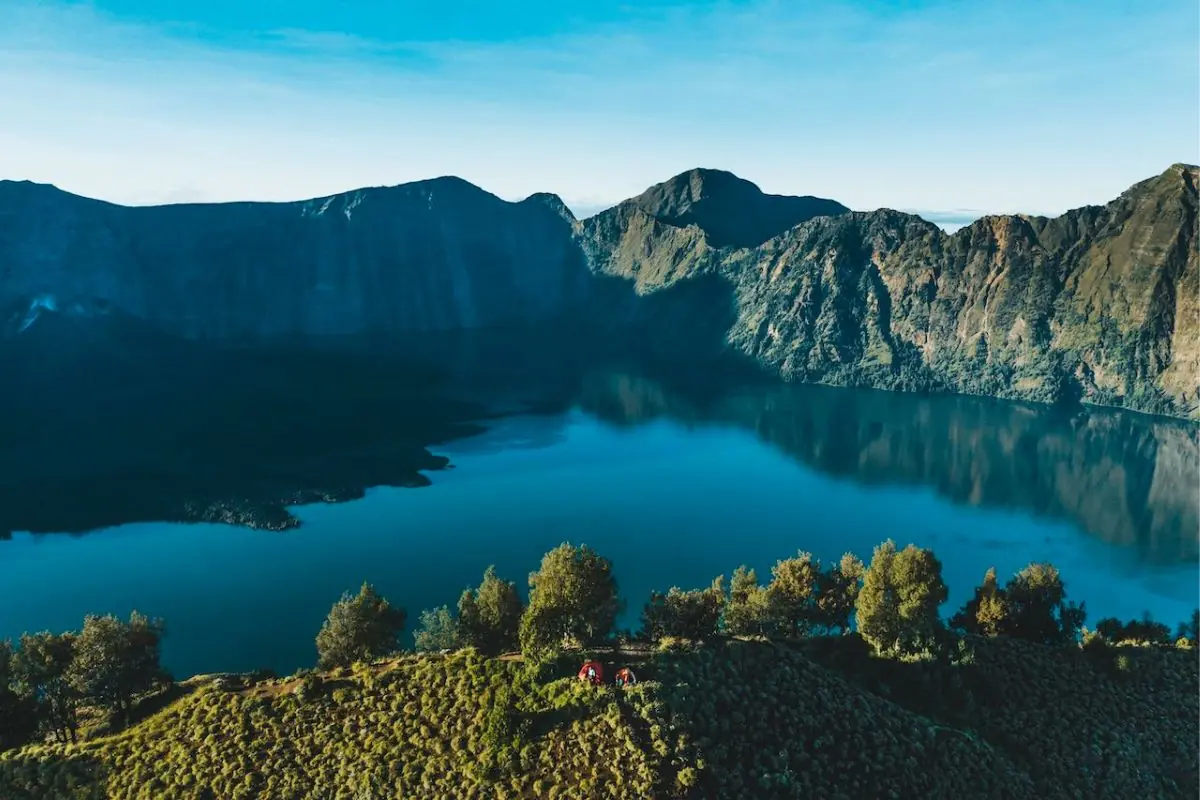
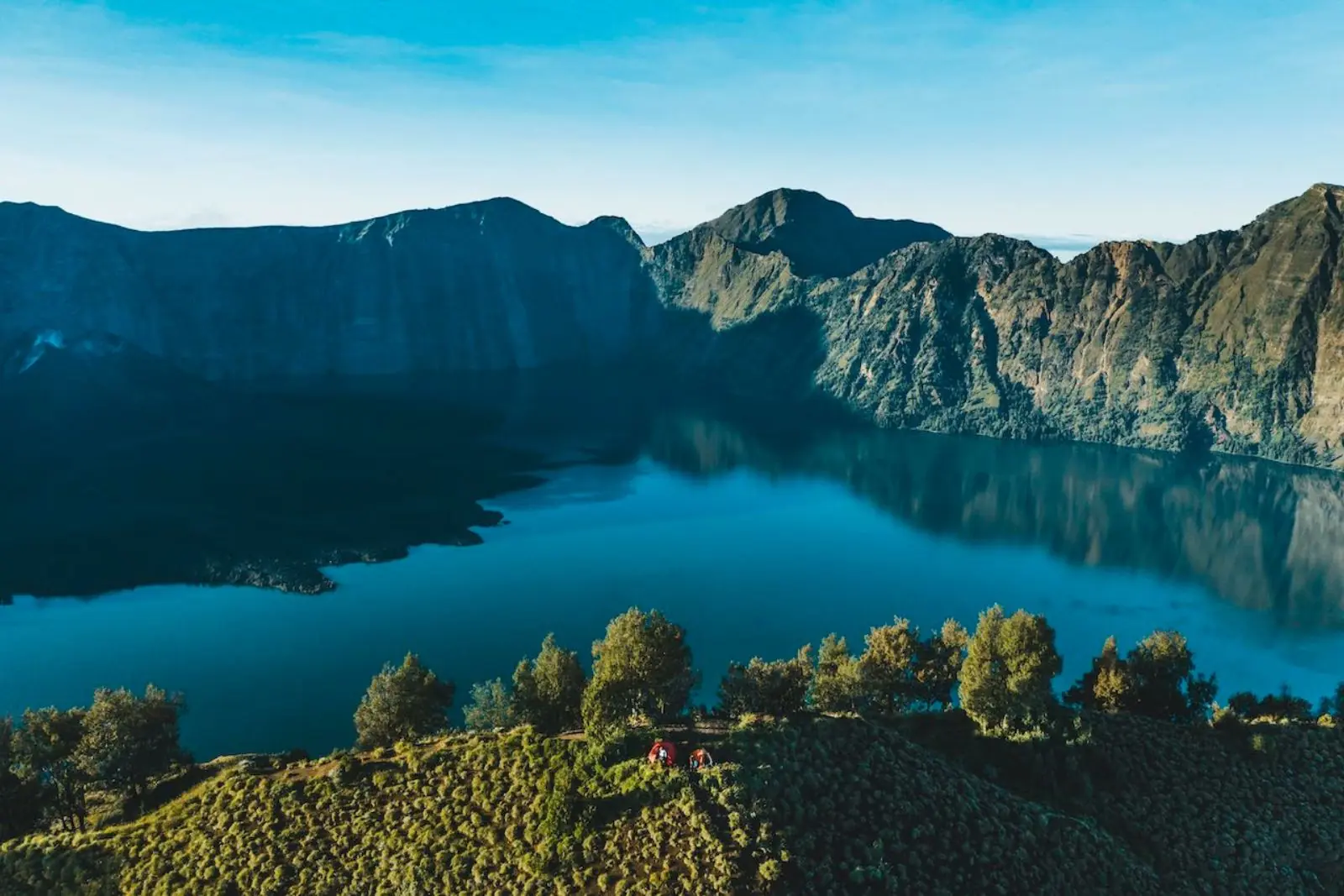
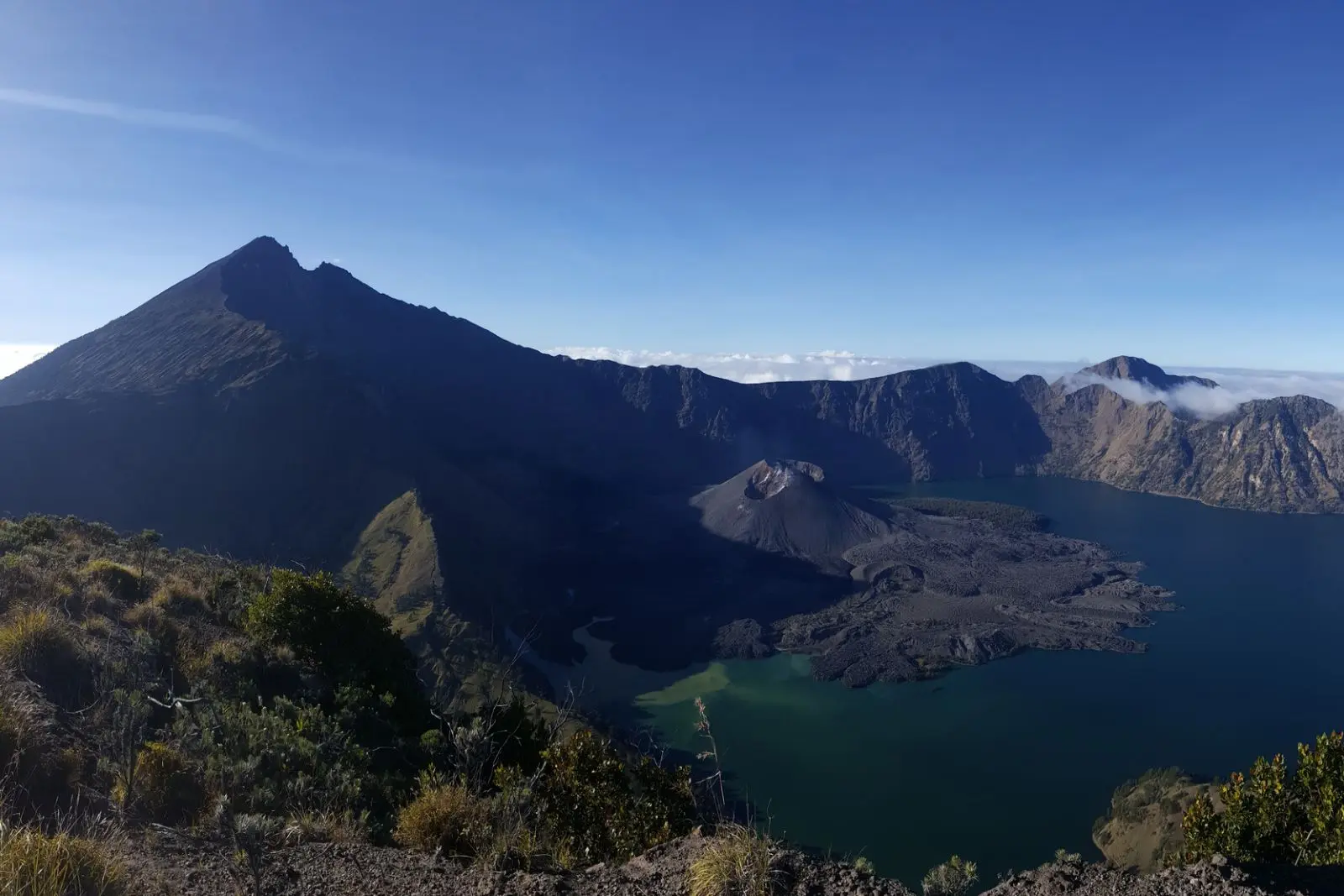
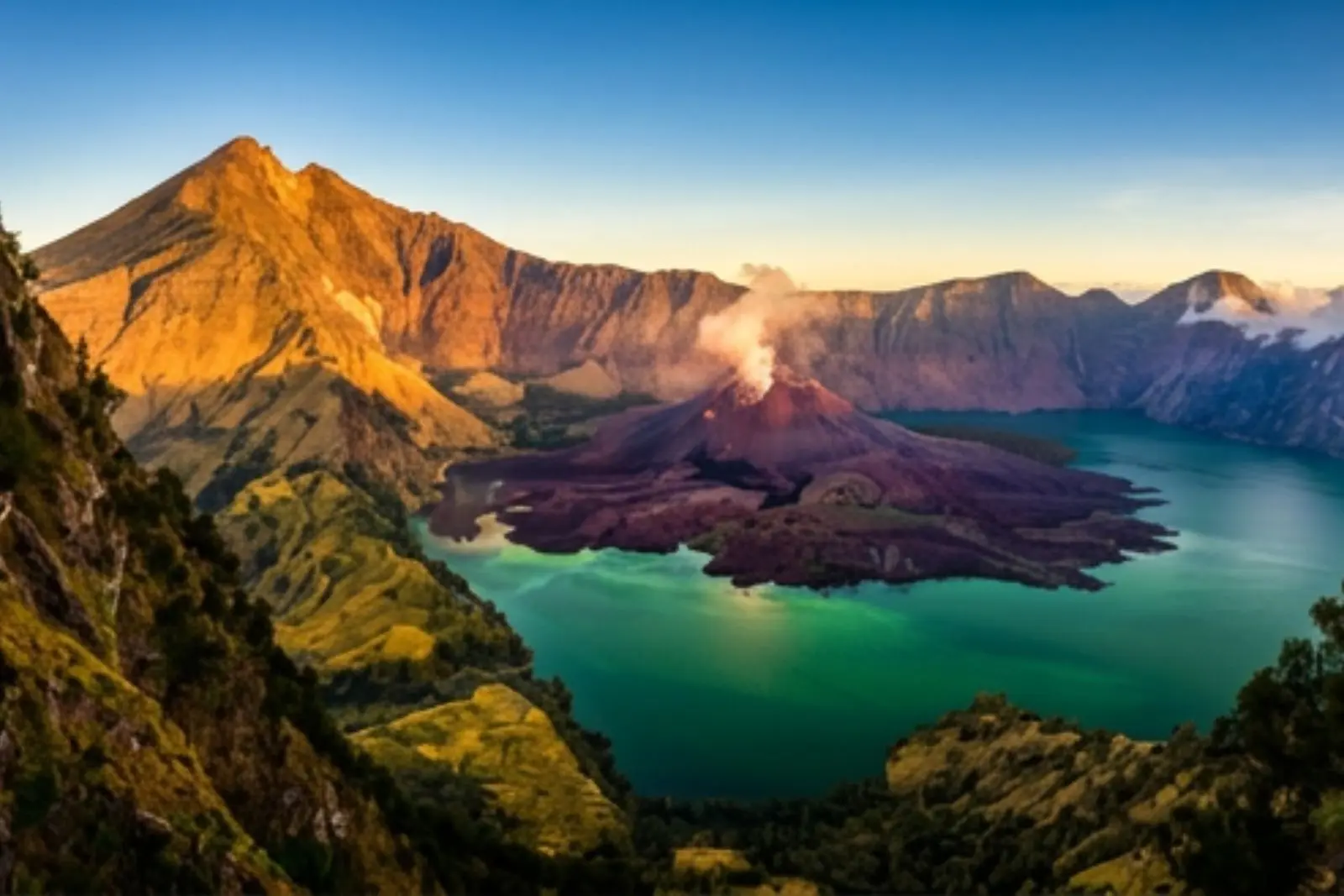
The Rinjani Crater Rim Expedition takes school groups from Senaru Village (594m) to the Senaru Crater Rim at 2,659m – standing on the edge of one of Indonesia’s most dramatic volcanic calderas, with views directly down to Segara Anak crater lake and across to the Rinjani summit above. It is a serious achievement and, for most school groups visiting Lombok for the first time, exactly the right objective.
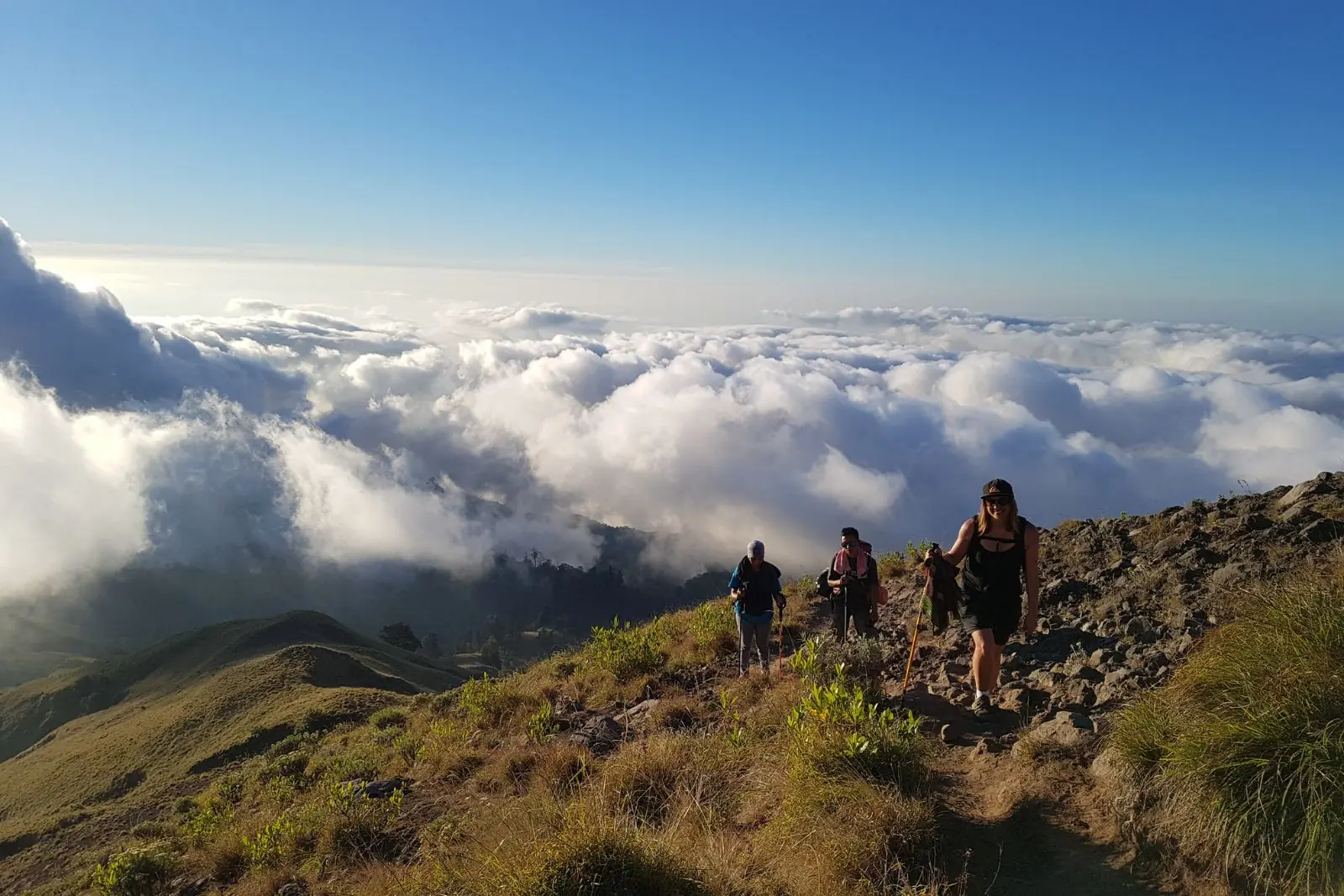
The route from Senaru Village to the crater rim is approximately 10km – not a great distance, but do not let that mislead you. The climb involves over 2,000m of elevation gain, making it one of the most sustained ascents available on a school expedition program anywhere in Southeast Asia. The terrain is unrelenting, the gradient is consistent, and students will feel every metre of it. This is an arduous trek that demands genuine physical preparation.
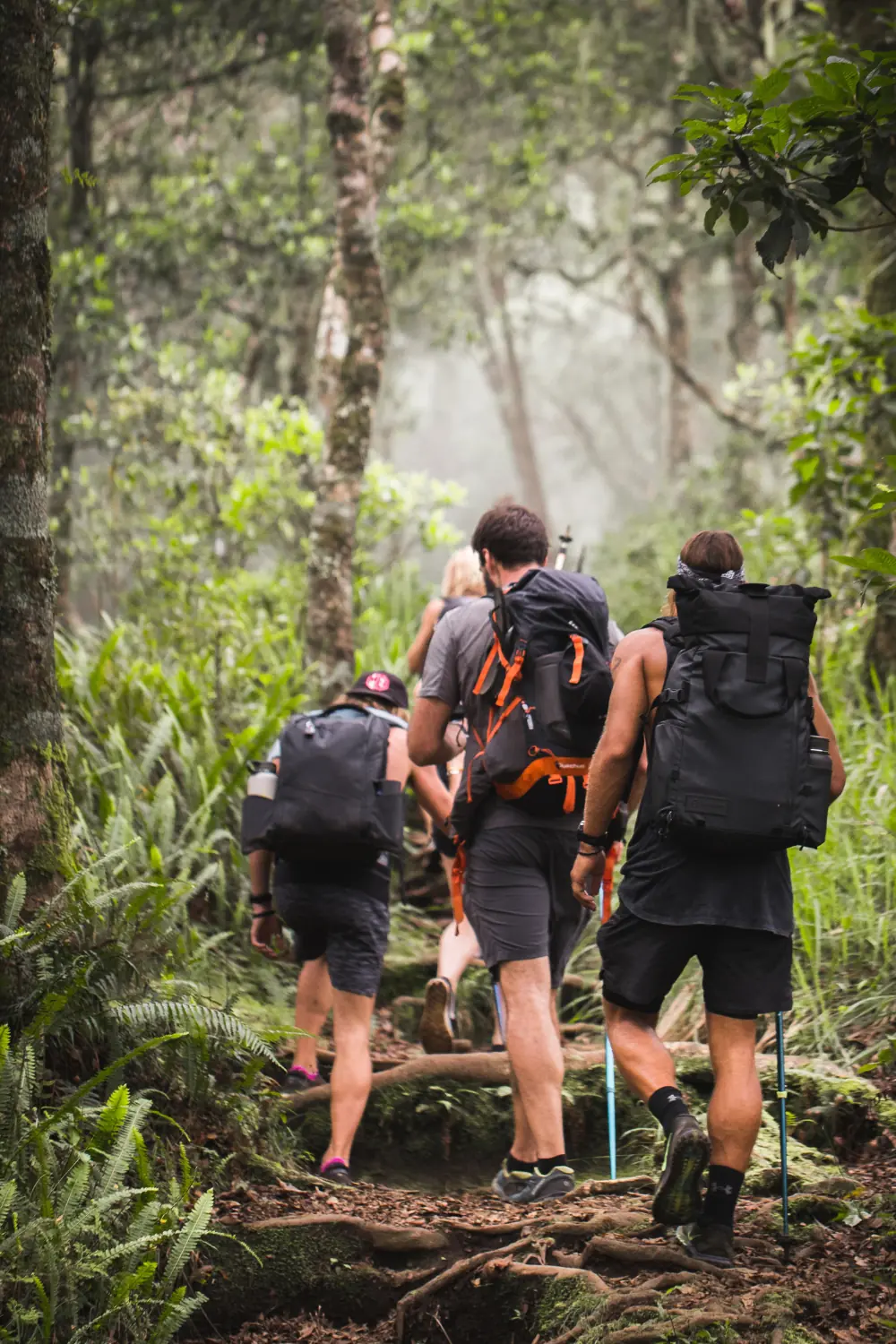
Depending on the fitness and experience level of your group, the crater rim can be reached over 2 days for capable groups, or spread across 3 days with an intermediate camp for those who need a more gradual approach. We will advise on the right format for your students during the planning stage.
For groups wanting to go further, we offer a Second Summit add-on – an ascent of Gunung Sengkereang (2,847m), a secondary peak on the crater rim. This can be run as an early morning pre-dawn climb for groups wanting the full high-altitude experience, or as a daytime hike for a more accessible but still rewarding extension. The Second Summit adds 3.8km and approximately +249m of elevation gain from the crater rim camp.
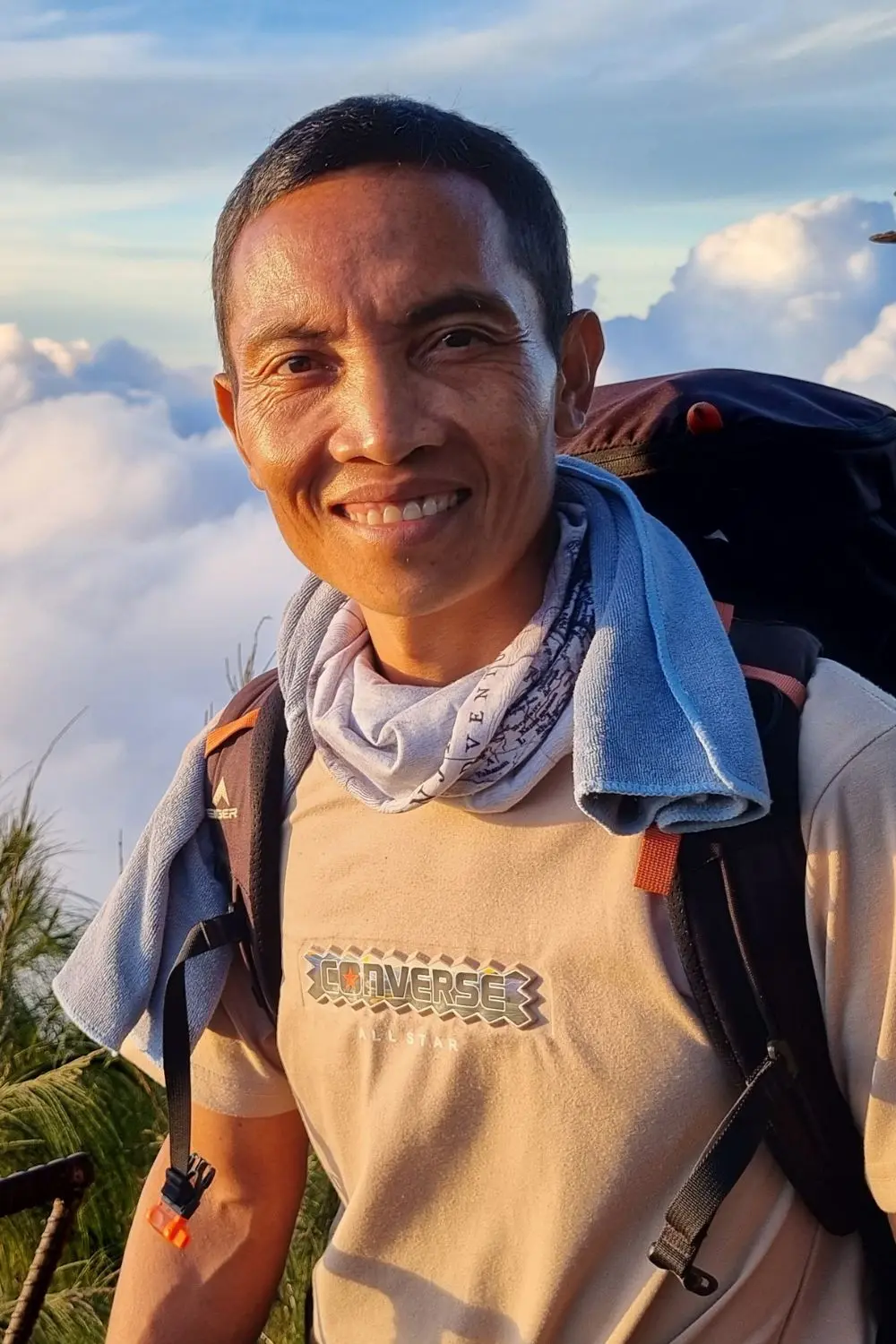
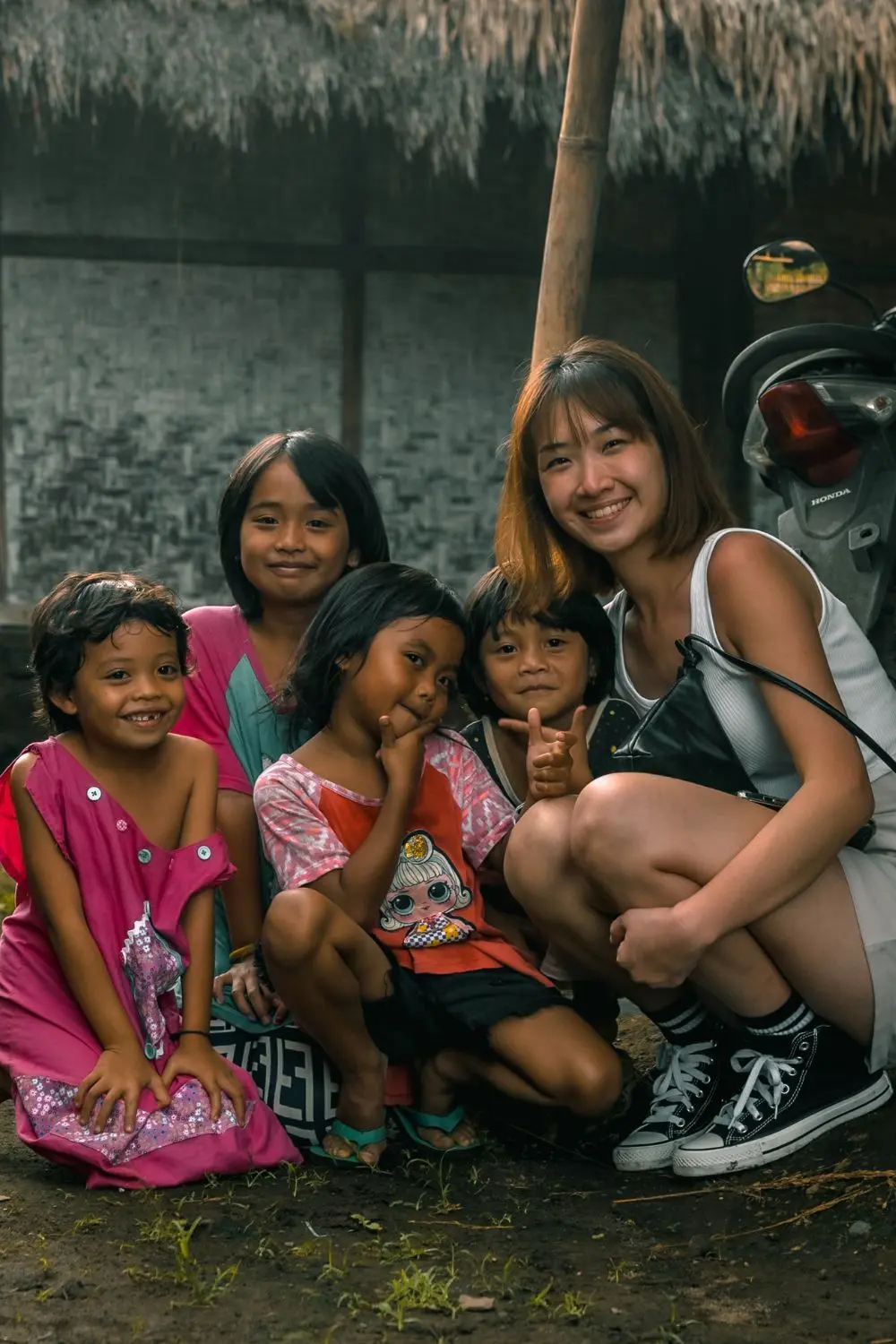
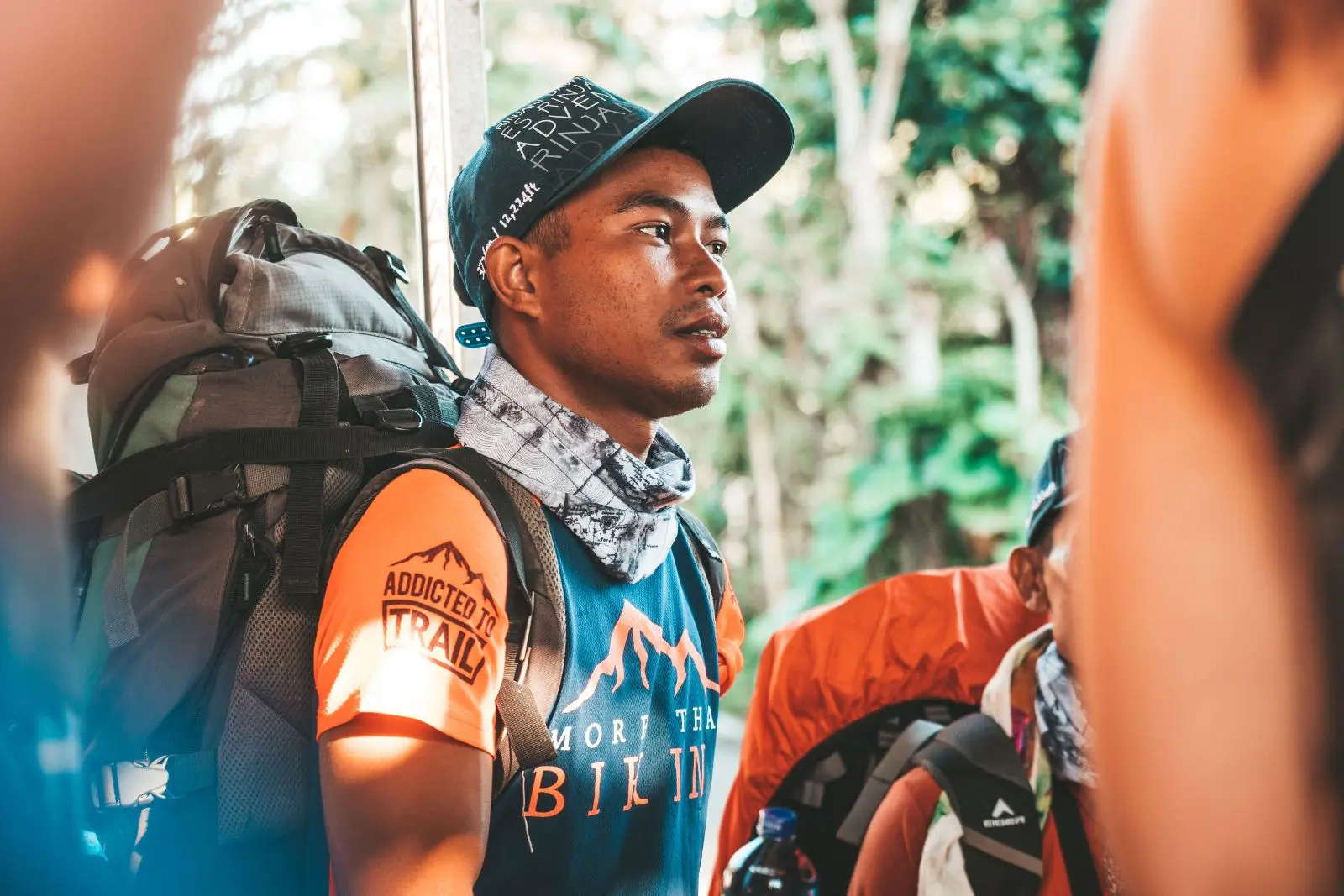
All programs operate within the Taman Nasional Gunung Rinjani (TNGR) national park, guided by Rinjani Dawn Adventures – the locally led operation co-founded by Venture Beyond director Angus Lawrence. Guide ratio is 1:4, with a minimum of two guides on every program.
For schools ready to go beyond the crater rim, our Mount Rinjani Summit Expedition continues to the full summit at 3,726m and is offered as a separate program.
Full itinerary and risk assessment documentation are available on request.
What We Offer
Program Flexibility
Curriculum Alignment
Safety and Risk Management
Experienced Local Guides
Community Connection
Full Logistics Support
Trekking Options
The Rinjani Crater Rim Expedition is offered across three itinerary options – a focused 2 Day / 1 Night Crater Rim only route, and two versions of the Crater Rim and Second Summit program spanning 2 or 3 days. All options start and finish in Senaru Village and are operated within the Taman Nasional Gunung Rinjani (TNGR) national park.
The tabs below outline each route with elevation profile, map, and daily breakdown. The right option for your school will depend on the time available, the fitness of your group, and whether the Second Summit add-on is appropriate. If you are unsure, contact us and we will give you an honest assessment.
Most schools add days either side of the mountain component for sightseeing, snorkelling, and cultural activities on Lombok, making total trip length typically 6 to 8 days.
For schools wanting a less demanding introduction to trekking on Lombok, our Sembalun Highlands Expedition offers a range of day and overnight hikes without the sustained elevation demand of the Senaru trail. For schools ready for the full Rinjani summit, the Mount Rinjani Summit Expedition is the next step.

Day 1 Distance: 9.8 km
Day 2 Distance: 9.9 km
Total Distance: 19.7 km
Max Elevation: 2,659m (Senaru Crater Rim)
Start Elevation: 594m (Senaru)
Elevation Gain: +2,134m
Elevation Loss: -2,134m
Start: Senaru Village
Finish: Senaru Village
Trek Summary
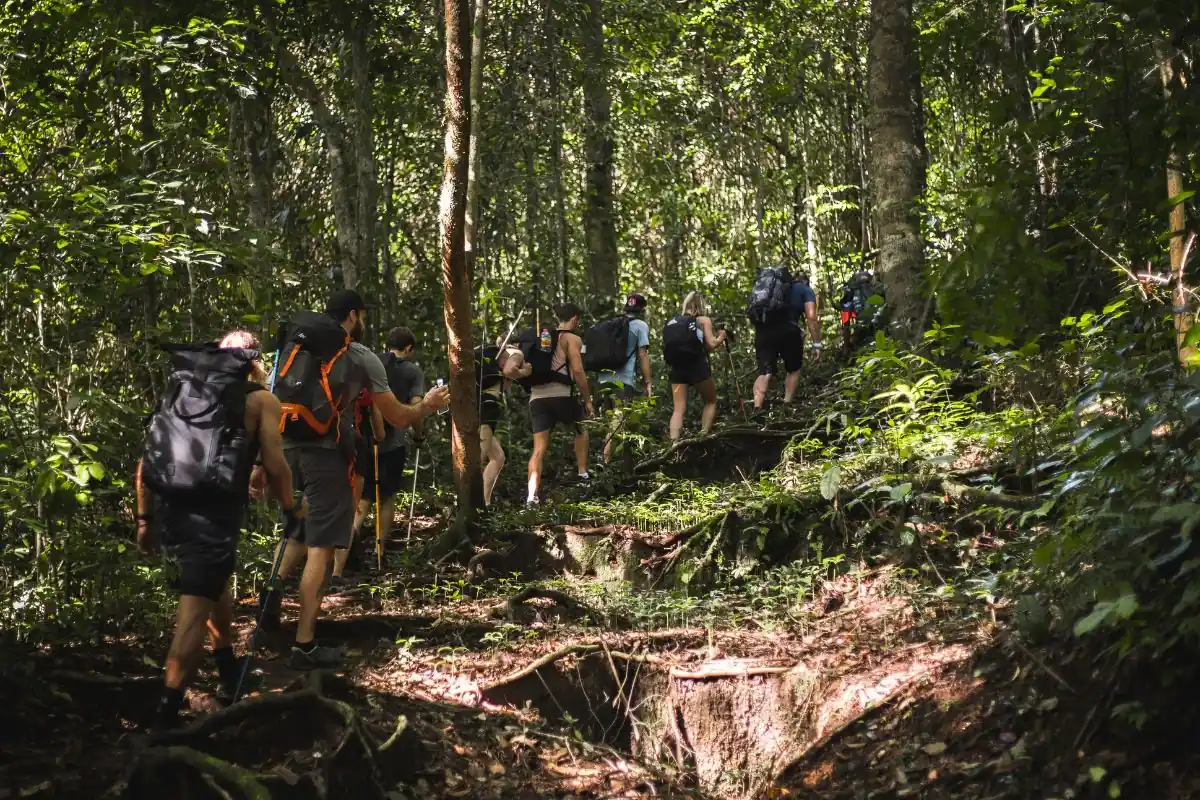
The 2 Day / 1 Night Senaru Loop is the most direct route to the Senaru Crater Rim and back. Starting and finishing in Senaru Village, Day 1 climbs 9.8km through montane forest with over 2,000m of sustained elevation gain to the crater rim at 2,659m. Day 2 is the descent back to Senaru Village.
This is the shortest and most focused option on the Crater Rim program – well suited to capable groups with limited time who want the crater rim experience without an extended mountain stay. The distance is modest, but the elevation gain is unrelenting and students should be physically prepared before attempting this route.
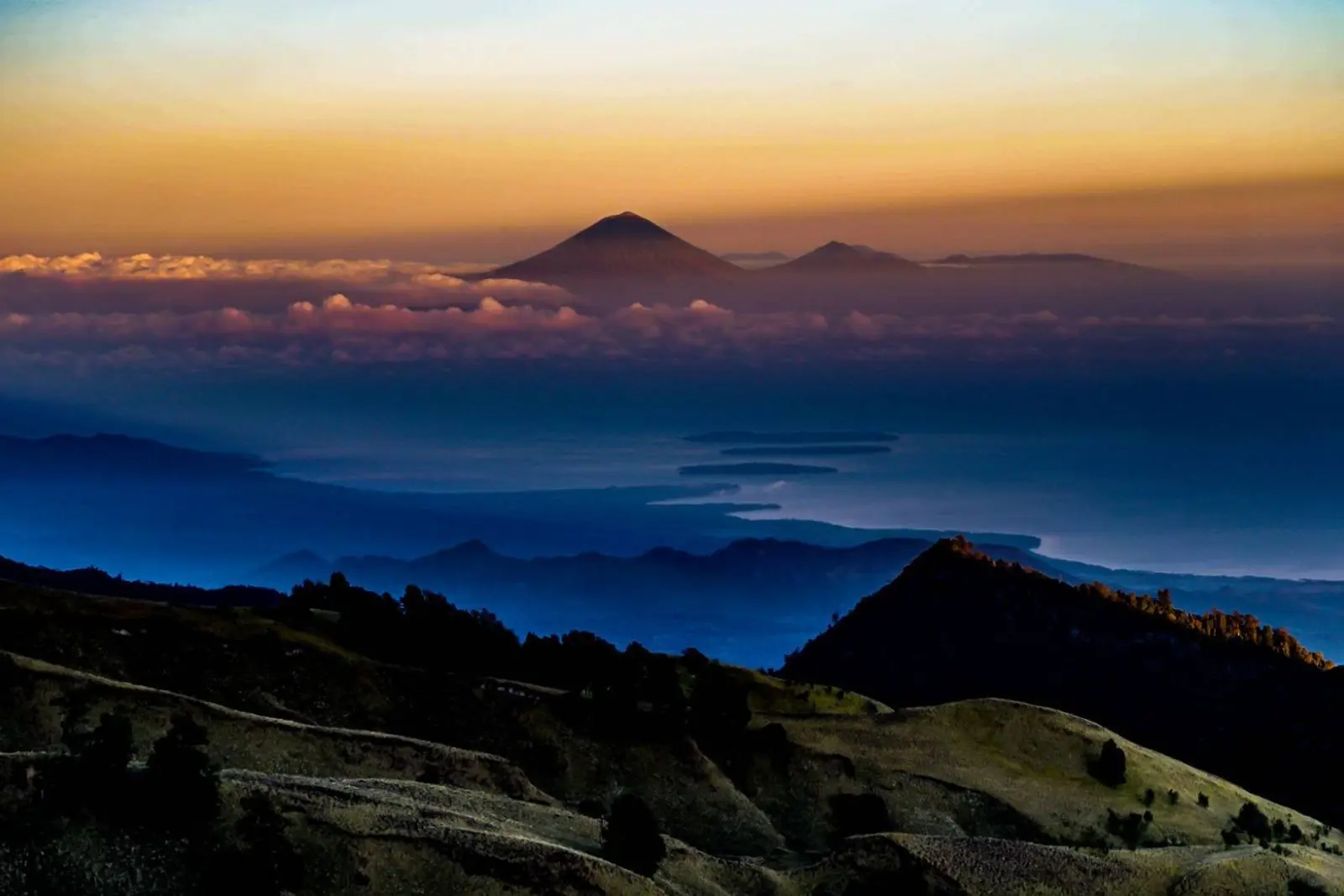
Standing on the Senaru Crater Rim, students look directly into the Rinjani caldera – down to Segara Anak crater lake and up to the full summit at 3,726m above. It is a dramatic and memorable objective in its own right.
For groups wanting more time on the mountain, a rest day at the crater rim, or the option of the Second Summit add-on, the 3 Day / 2 Night option gives significantly more flexibility. Most schools add days either side for sightseeing, snorkelling, and cultural activities, making total trip length typically 6 to 8 days.

Day 1 Distance: 9.8 km
Day 2 Distance: 13.7 km (Second Summit + descent)
Total Distance: 23.8 km
Max Elevation: 2,847m (Gunung Sengkereang)
Start Elevation: 594m (Senaru)
Elevation Gain: +2,383m
Elevation Loss: -2,383m
Start: Senaru Village
Finish: Senaru Village
Trek Summary
The 2 Day / 1 Night Crater Rim and Second Summit option follows the same Day 1 as the standard crater rim route – climbing 9.8km from Senaru Village to the crater rim at 2,659m. On Day 2, before descending, students tackle the Second Summit – Gunung Sengkereang (2,847m), a secondary peak on the crater rim with outstanding views across the caldera and surrounding landscape.
The Second Summit adds 3.8km and +249m of elevation gain from the crater rim camp. It can be run as an early morning pre-dawn climb for groups wanting the full high-altitude experience, or as a daytime ascent before the descent to Senaru Village. The decision is made in the field based on group readiness and conditions.
This is a demanding two-day program. Day 2 in particular – Second Summit plus a full descent to Senaru – is a long and physically taxing day. It is best suited to groups with demonstrated fitness and enthusiasm on the Day 1 ascent. If students have struggled on the way up, the Second Summit should be skipped.
For groups wanting a more relaxed experience with a dedicated summit day and time to rest at the crater rim, the 3 Day / 2 Night option is the better choice. Most schools add days either side for sightseeing, snorkelling, and cultural activities, making total trip length typically 6 to 8 days.

Day 1 Distance: 9.8 km
Day 2 Distance: 3.8 km (Second Summit round trip)
Day 3 Distance: 9.9 km
Total Distance: 23.8 km
Max Elevation: 2,847m (Gunung Sengkereang)
Start Elevation: 594m (Senaru)
Elevation Gain: +2,383m
Elevation Loss: -2,383m
Start: Senaru Village
Finish: Senaru Village
Trek Summary
The 3 Day / 2 Night Crater Rim and Second Summit is our recommended option for school groups wanting the Second Summit experience without the pressure of combining it with a full descent on the same day. Day 1 climbs from Senaru Village (594m) to the Senaru Crater Rim (2,659m). Day 2 is dedicated entirely to the Second Summit – Gunung Sengkereang (2,847m) – and returns to Crater Rim Camp. Day 3 is the descent to Senaru Village.
The shorter Day 2 distance of 3.8km means students arrive at the Second Summit with a full day’s energy behind them. There is no time pressure, no long descent waiting at the end, and genuine opportunity to rest at the crater rim and absorb the experience before heading down. This is the format we recommend for most school groups attempting the Second Summit.
The 3-day structure also provides flexibility on Day 1. Groups that find the ascent harder than expected can camp lower on the trail rather than pushing all the way to the rim, and complete the final section on Day 2 morning before the Second Summit. This built-in contingency makes the program more manageable for mixed-ability groups.
Most schools add days either side for sightseeing, snorkelling, and cultural activities, making total trip length typically 6 to 8 days. Contact us to discuss whether this itinerary is the right fit for your group.
Full itinerary, route notes, and risk assessment documentation are available on request. Contact us to discuss your program.
Safety and Operations
Venture Beyond Expeditions operates this program under a risk management framework aligned with the Australian Adventure Activity Standards. Our guide-to-student ratio is 1:4, with a minimum of two qualified guides on every program. All guides hold current first aid certification and have extensive experience on the Senaru trail specifically – this is not a generalised guiding team.
All programs operate within the Taman Nasional Gunung Rinjani (TNGR) national park, in full compliance with park regulations and permit requirements. Trail conditions, seasonal weather patterns, and volcanic activity status are assessed before every program. If our safety assessment determines that conditions are unsuitable for your group at any point, we will modify or cancel that component at no penalty to your school.
The most common issues on the Senaru trail are fatigue, blisters, and muscle soreness – not altitude-related illness. The Senaru Crater Rim at 2,659m sits below the threshold where Acute Mountain Sickness becomes a significant concern for most healthy individuals. Our itineraries build in sufficient ascent time to reduce physiological stress, and the 3-day option provides additional buffer for groups where a slower pace is appropriate.
As of 2026, helicopter rescue is available within Mount Rinjani National Park – a significant development for emergency management on the mountain. The location of the nearest hospital and helicopter access points is confirmed before every season. Every lead teacher receives a full emergency protocol document before departure, covering evacuation routes, the contact chain, and the location of the nearest medical facilities.
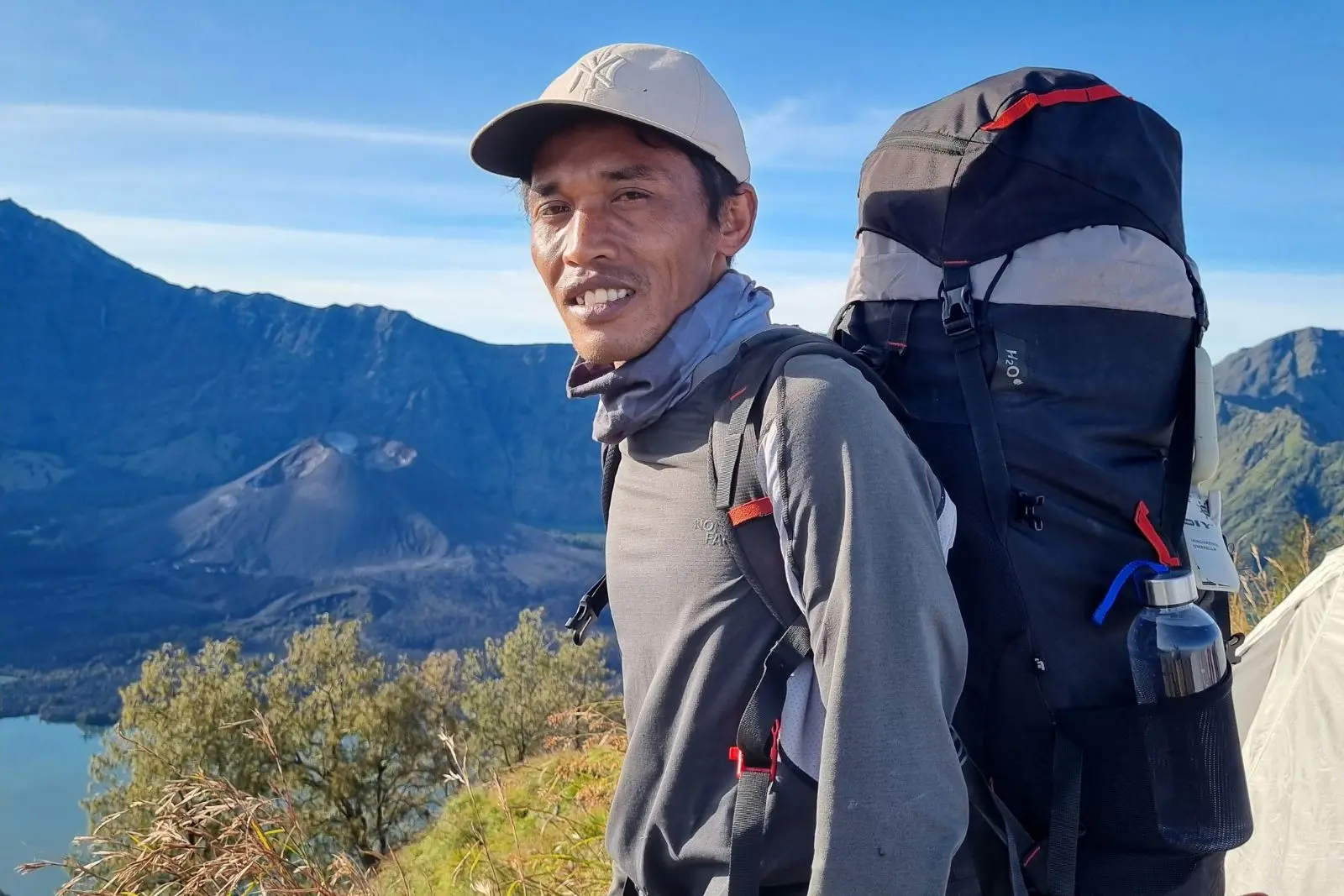
Saefudin Zohri, co-founder of Rinjani Dawn Adventures, is based at our Senaru office throughout every school expedition and coordinates directly with guides and emergency services if required. Schools must provide adequate teacher supervision for their group, including appropriate female staff for female students. Female guides are available on request.
Detailed risk assessment documentation is available on request for school risk committees and board presentations.
Frequently Asked Questions
What is the Senaru Crater Rim and how high is it?
The Senaru Crater Rim sits at 2,659m on the northern edge of the Rinjani caldera. It is the highest point reached on the Crater Rim Expedition and offers direct views down into the caldera, across Segara Anak crater lake, and up to the Rinjani summit at 3,726m above.
The crater rim is a significant geographical feature of Mount Rinjani, Indonesia’s second highest volcano. Standing on the rim is a genuine achievement – and for most school groups on their first visit to Lombok, it is exactly the right objective.
How does the Crater Rim Expedition differ from the full Rinjani Summit Expedition?
The Crater Rim Expedition reaches 2,659m at the Senaru Crater Rim – a demanding and rewarding objective in its own right. The full summit at 3,726m involves an additional push of approximately 1,000m on steep, loose volcanic trail, typically requiring an early morning pre-dawn departure from the crater rim.
The Crater Rim program is well suited to school groups on their first visit to Lombok, or those where a full summit attempt would be inappropriate for the group’s fitness level or experience. For schools ready to attempt the full summit, our Mount Rinjani Summit Expedition is offered as a separate program.
How long does the Crater Rim Expedition take?
The standard program reaches the crater rim over 2 days – climbing approximately 10km from Senaru Village with over 2,000m of elevation gain on Day 1, camping at the rim, and descending on Day 2.
For groups where a more gradual approach is appropriate, we also offer a 3-day option with an intermediate camp, allowing students to acclimatise progressively and arrive at the rim in better condition. We will advise on the right format during the planning stage based on your group’s fitness and experience.
Most schools add days either side of the mountain component for sightseeing, snorkelling, and cultural activities on Lombok. Total trip length is typically 6 to 8 days, giving students time to experience the island beyond the trail.
What is the Second Summit add-on?
The Second Summit is an optional add-on that takes students from the crater rim camp to the peak of Gunung Sengkereang (2,847m) – a secondary summit on the crater rim with outstanding views across the caldera and surrounding landscape.
It can be run as an early morning pre-dawn climb for groups wanting a high-altitude experience closer to the full summit conditions, or as a daytime hike for a more accessible but still rewarding extension. The Second Summit adds approximately 3.8km and +249m of elevation gain from the crater rim camp and is recommended for groups with demonstrated fitness and enthusiasm on the ascent.
Is the Crater Rim Expedition suitable for students with no prior trekking experience?
It can be, provided students have a reasonable base of general fitness. The distance from Senaru Village to the crater rim is approximately 10km – manageable in terms of distance alone. However, the 2,000m+ elevation gain makes this one of the most sustained climbs on any school expedition program in Southeast Asia. Students who are unprepared physically will find it genuinely difficult.
We recommend schools undertake preparatory hikes in the months before departure and can provide a training framework on request. If your group has limited outdoor experience, the Sembalun Highlands Expedition may be a more appropriate starting point.
What is the risk of Acute Mountain Sickness (AMS) on the Crater Rim Expedition?
AMS risk on this program is low. The Senaru Crater Rim at 2,659m is below the altitude threshold where AMS becomes a significant concern for most healthy individuals, and our itineraries build in sufficient ascent time to reduce physiological stress further.
The most common issues on this route are fatigue, blisters, and muscle soreness rather than altitude-related illness. Guides monitor students throughout and are trained to identify any symptoms of concern. The 3-day option provides additional buffer for groups where slower acclimatisation is advisable.
What happens if conditions are unsafe or a student cannot continue?
If our safety assessment determines that conditions are unsuitable at any point, we will modify or cancel that component at no penalty to your school. Weather on Rinjani can change quickly, and our guides make these calls on the mountain based on current conditions – not from an office.
If a student needs to turn back, a guide will always accompany them so the rest of the group can continue safely. A teacher will also need to accompany any student who withdraws, so we recommend discussing staff allocation and supervision ratios with us during the planning stage.
What is the guide-to-student ratio on this program?
We maintain a guide-to-student ratio of 1:4, with a minimum of two qualified guides on every program regardless of group size. All guides are from Rinjani Dawn Adventures, hold current first aid certification, and have extensive experience on the Senaru trail specifically.
Emergency coordination is handled by Saefudin Zohri, co-founder of Rinjani Dawn Adventures, who is based at our Senaru office throughout every school expedition.
Is helicopter rescue available on this program?
Yes. As of 2026, helicopter rescue is available within Mount Rinjani National Park and access points are confirmed before every season. The location of the nearest hospital is also confirmed prior to each program.
Every lead teacher receives a full emergency protocol document before departure, covering evacuation routes, the contact chain, and medical facility locations. Rescue cover is included in the program fee for all participants. Risk management is aligned with the Australian Adventure Activity Standards.
What food is provided and can dietary requirements be accommodated?
All meals on the mountain are cooked fresh at camp by our porters and guides. Vegetarian, vegan, gluten-free, and allergy-specific diets are all accommodated. Schools are asked to provide full dietary information for all students and staff at the time of booking.
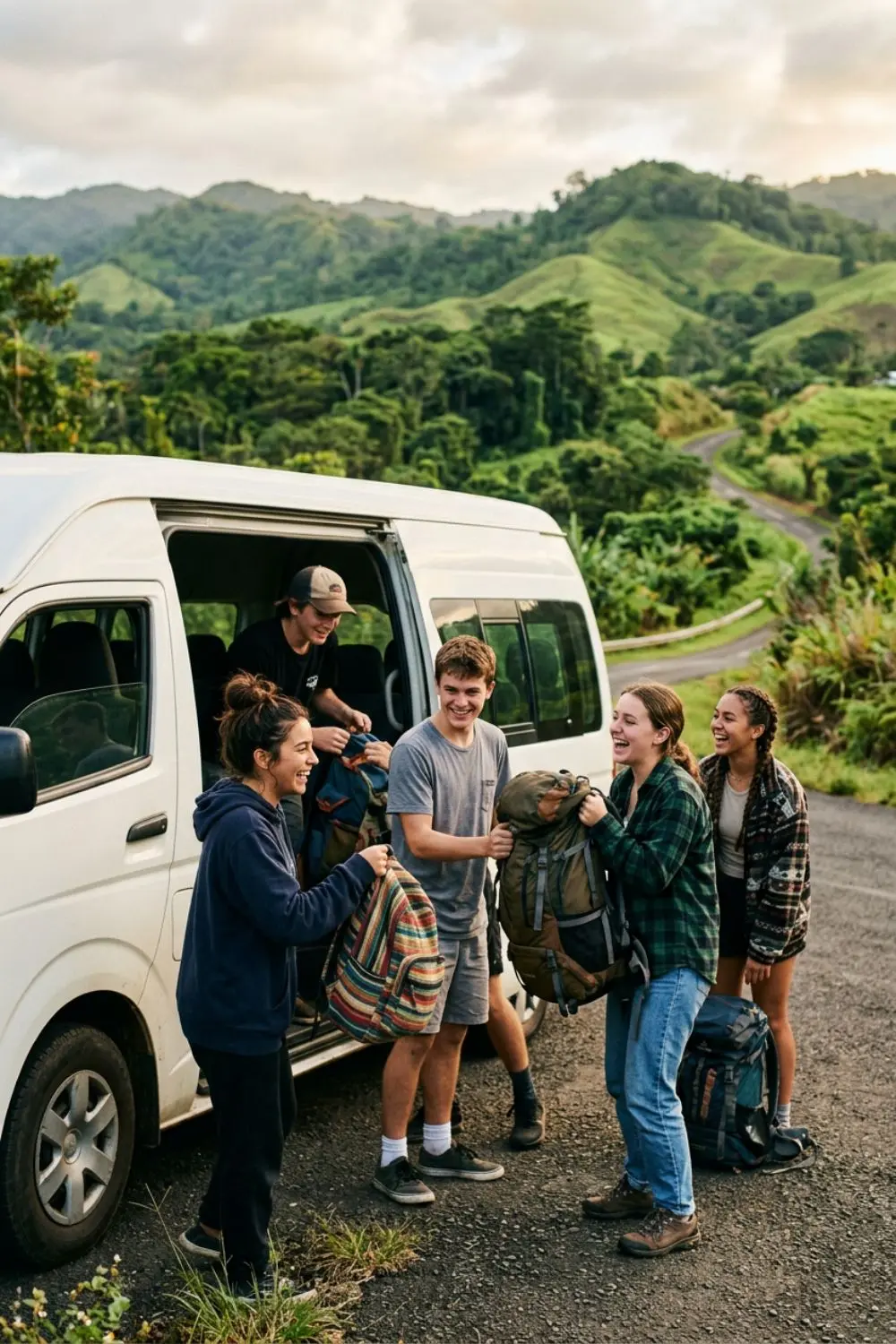
Porters carry all camping equipment, cooking equipment, food, and spare bottled water for the duration of the trek. Students carry only their personal gear – day pack, water, and clothing layers.
What documentation is available for school risk committees?
Venture Beyond Expeditions provides comprehensive risk assessment documentation aligned with the Australian Adventure Activity Standards. This includes route-specific risk assessments, emergency protocols, guide qualifications, evacuation procedures, and insurance details.
An information pack is available on request and can be prepared in a format suitable for board or risk committee presentation. We are experienced in supporting schools through their internal approval processes and can tailor documentation to your school’s specific requirements.
Is the Crater Rim Expedition the right program for our school, or should we consider something else?
The Crater Rim Expedition sits between our entry-level Sembalun Highlands Expedition and the Mount Rinjani Summit Expedition in terms of difficulty and commitment. It is the right program for schools that want a genuine mountain challenge without the demands of a full summit attempt.
If your group has limited outdoor experience or younger students, the Sembalun Highlands program offers a more flexible and progressive introduction to trekking on Lombok. If your group is fit, experienced, and ready for the full summit, the Mount Rinjani Summit Expedition is the next step. Contact us and we will give you an honest assessment of which program suits your school best.
Need a Custom Program?
Every school is different. If you have specific curriculum requirements, group size, budget, or timing constraints, we can design a program around them. Talk to us about what you need.
Enquire About This Program
Tell us about your school and your program requirements. We respond to all school enquiries within one business day.