


Cultural and Service Expedition
A community and culture expedition program based in Senaru Village, Lombok, Indonesia
Enquire NowThis page covers the Cultural and Service Expedition offered by Venture Beyond Expeditions, a community-focused school program based in Senaru Village at the base of Mount Rinjani, Lombok, Indonesia. The program combines cultural immersion, environmental education, and meaningful service activities for students from age 14, with program activities mapped to IB CAS outcomes across all three strands and UN Sustainable Development Goals 4, 11, 14, 15, and 17. Activities include community projects through the Sasak Warriors initiative, engagement with local schools, farm visits, cultural excursions, marine environment education, and optional day hiking. The page includes embedded maps of key locations and is written for Heads of Outdoor Education, Deputy Principals, and teachers assessing whether the Cultural and Service Expedition is the right program for their students.
Cultural and Service Expedition
About This Program
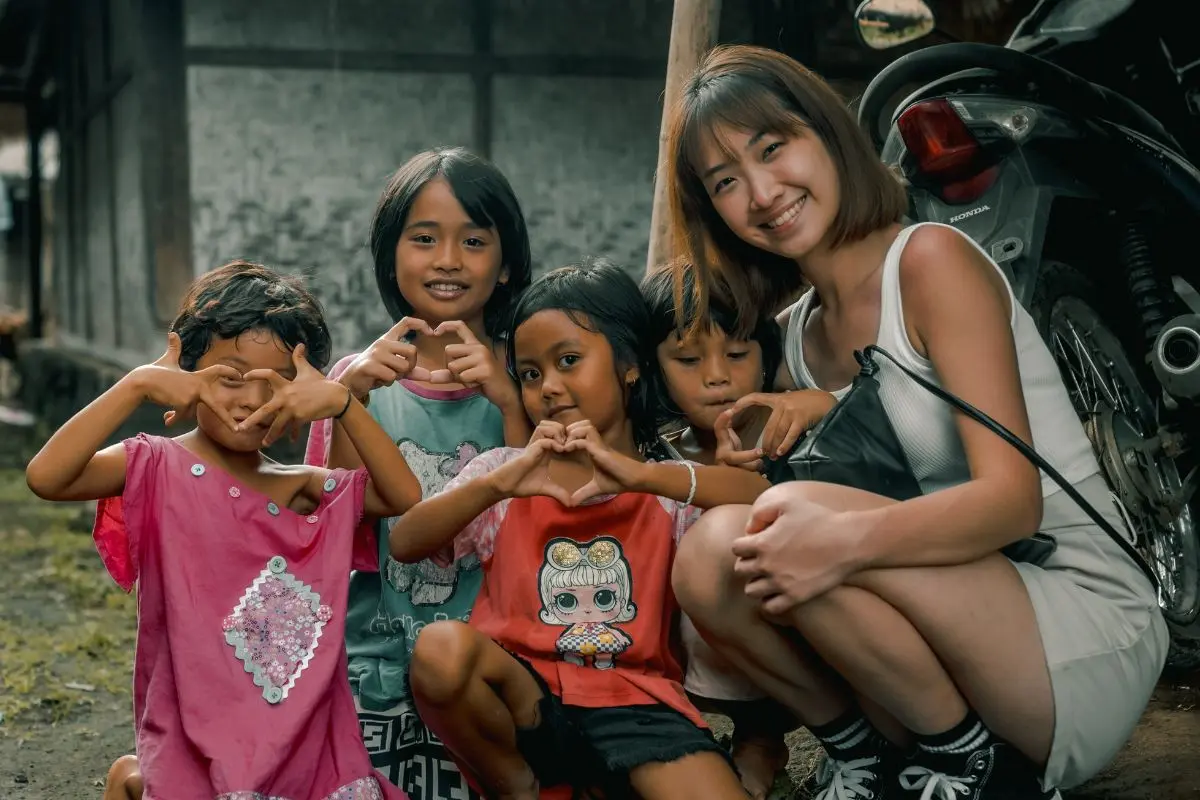
The Cultural and Service Expedition is Venture Beyond’s community-focused program for schools seeking a meaningful Lombok experience without the demands of a mountain trek. Based in and around Senaru Village at the base of Mount Rinjani, the program is built around genuine engagement – with the local community, the natural environment, and the cultural fabric of Lombok.
This is not a sightseeing itinerary. Every activity is selected for its educational depth and curriculum relevance, with particular attention to IB CAS outcomes across all three strands – Creativity, Activity, and Service. Program activities are mapped to UN Sustainable Development Goals 4, 11, 14, 15, and 17, supporting schools in demonstrating real-world impact beyond the classroom. Programs are designed in close collaboration with each school to match their students, year level, and specific learning objectives.
Activities include community projects through the Sasak Warriors initiative, engagement with local schools in Senaru, visits to working farms growing rice, coffee, and vanilla, guided cultural visits to the Islamic Centre in Mataram and areas of historical significance, and marine environment education and snorkelling with a local conservation partner.
Softer trekking options – including the Senaru Waterfalls trail, rice field walks, and day hikes to peaks such as Dandaun, Pergasingan Hill, and Bao Daya – can be incorporated for schools wanting outdoor education elements without the sustained elevation of a Rinjani approach.
The program is designed as a standalone expedition and is not recommended as an add-on to the Rinjani Summit or Crater Rim programs. The two program types serve different objectives, and attempting to combine them within a standard school trip timeframe does not do justice to either. Schools with 10 or more days on the ground may wish to discuss a combined itinerary – contact us to explore options.
All programs are operated in partnership with Rinjani Dawn Adventures, co-founded by Venture Beyond director Angus Lawrence and Senaru-based co-founder Saefudin Zohri. Full program documentation, IB CAS outcome mapping, and UN SDG alignment documentation are available on request.
What We Offer
Tailored Program Design
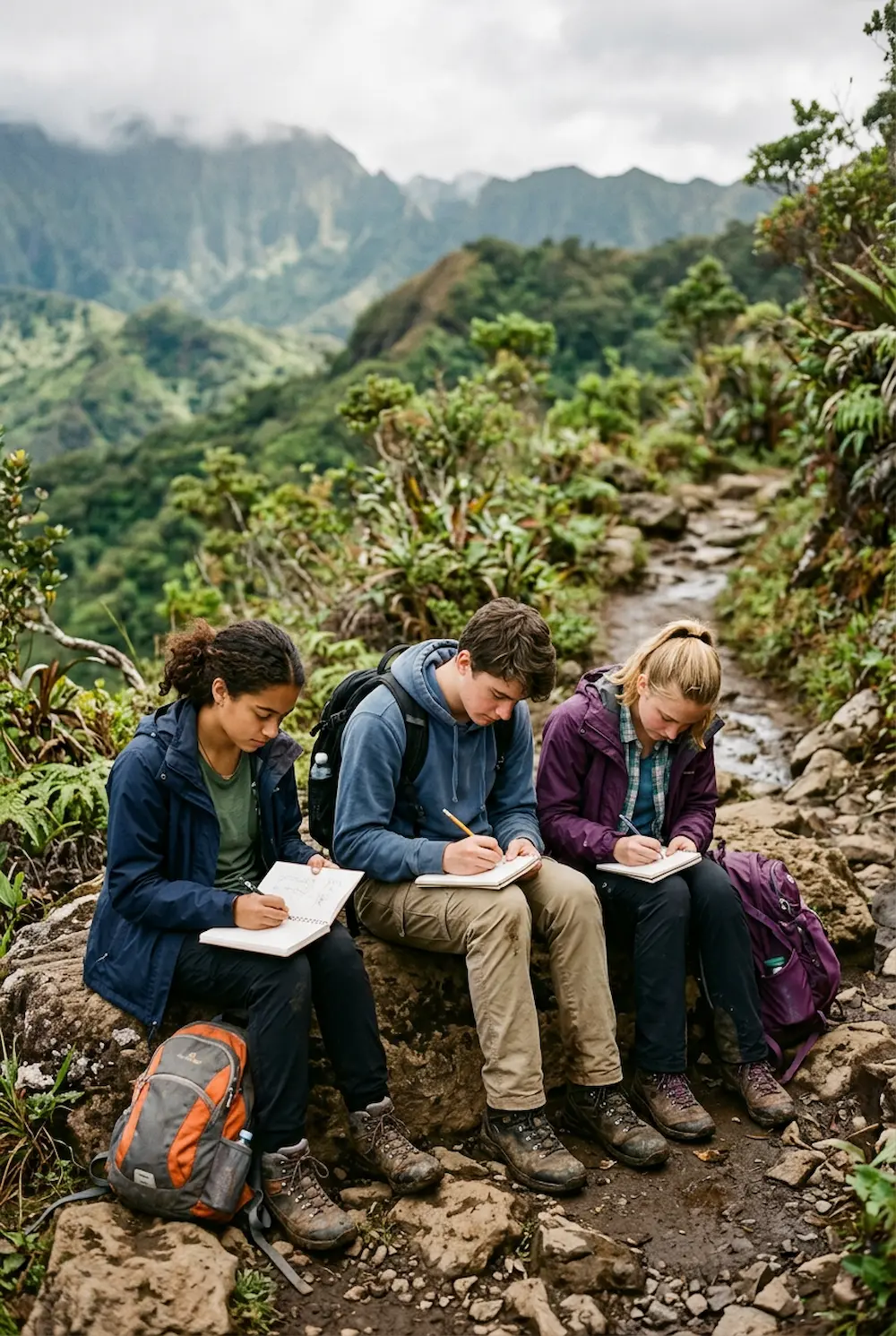
Curriculum Alignment
Safety and Risk Management
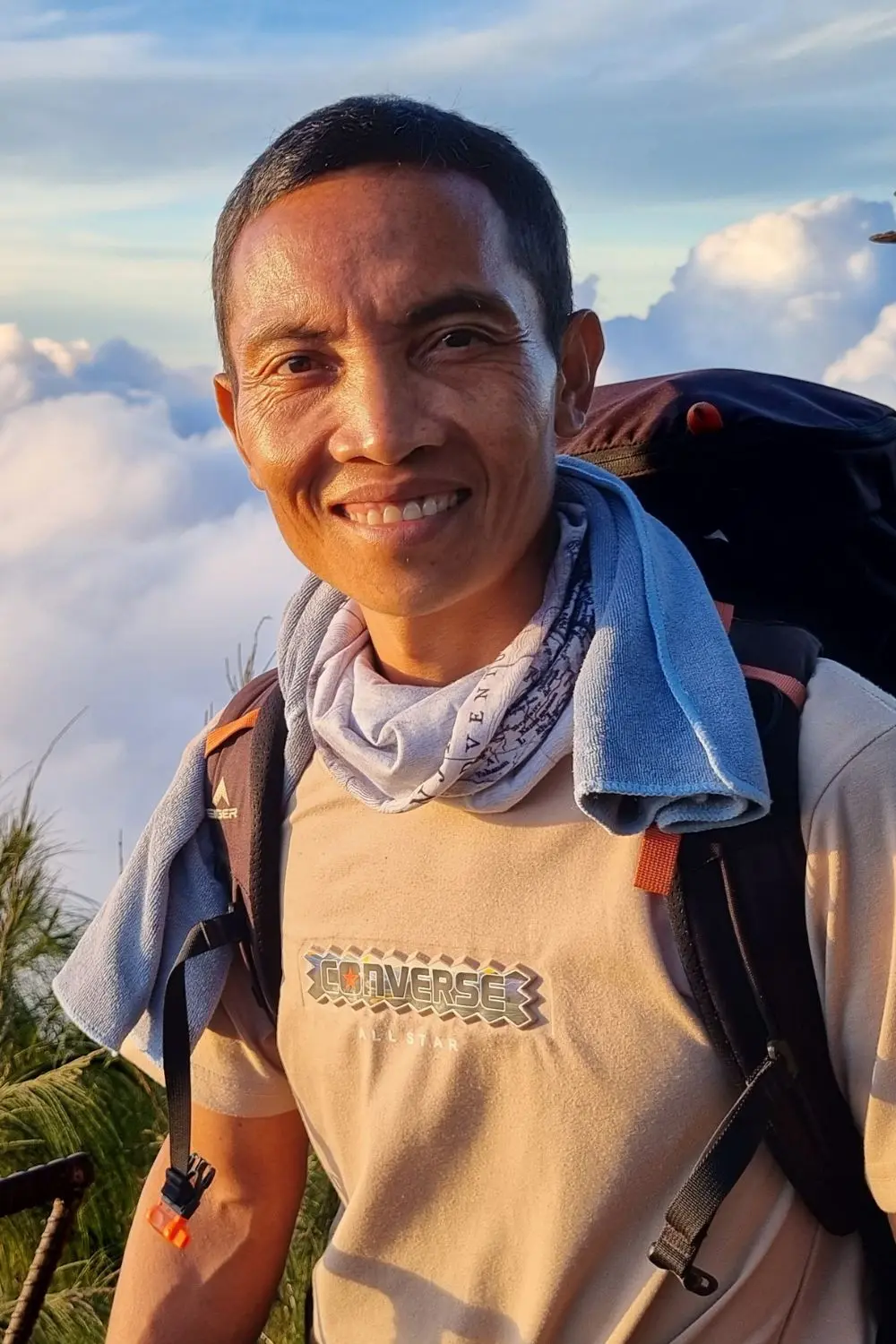
Experienced Local Team
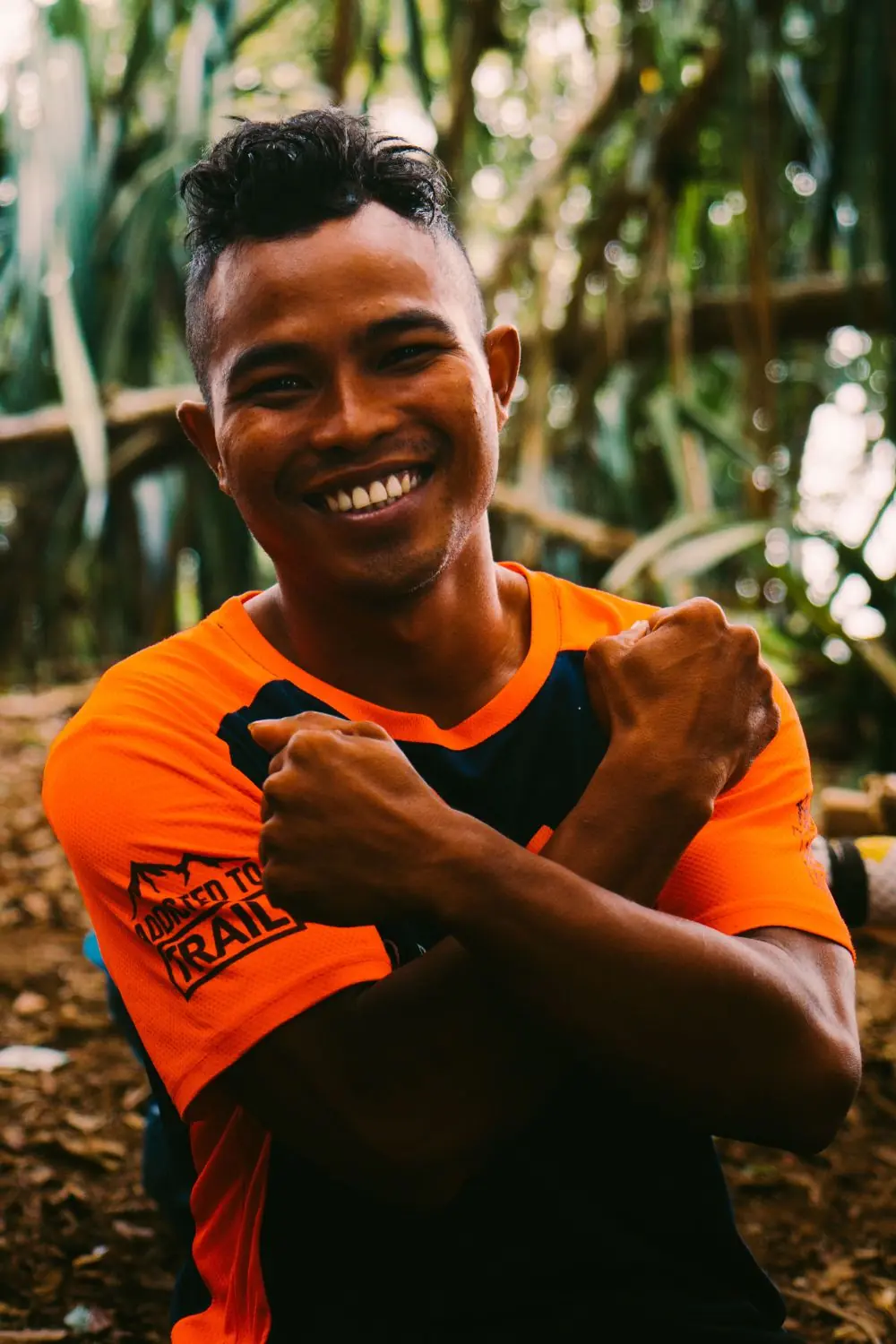
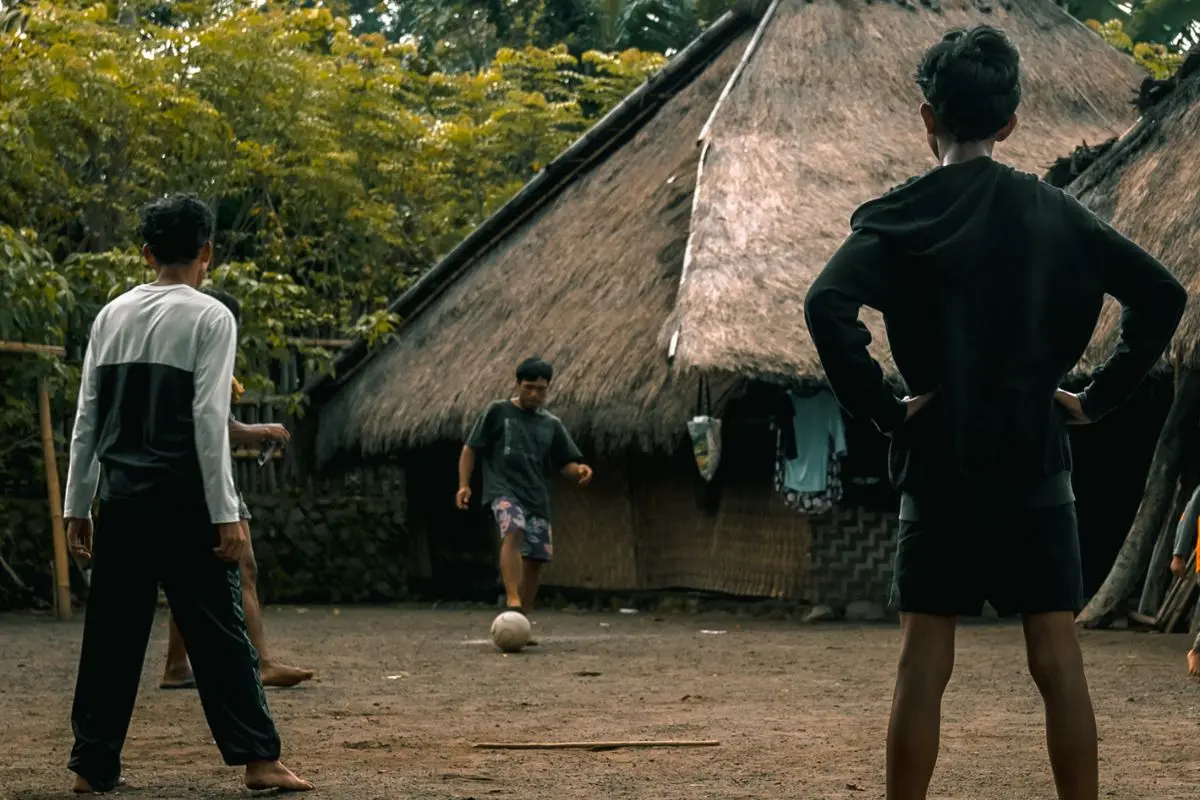
Community Connection

Marine Conservation Education
Activities
The tabs below give an overview of some of the key locations and activities available as part of the Cultural and Service Expedition. Every program we run is built around the specific aims and objectives of your school – the activities shown here are not a fixed itinerary, but a taster of what is possible. We will work with you during the planning stage to design a program that fits your students, your curriculum requirements, and your timeframe.
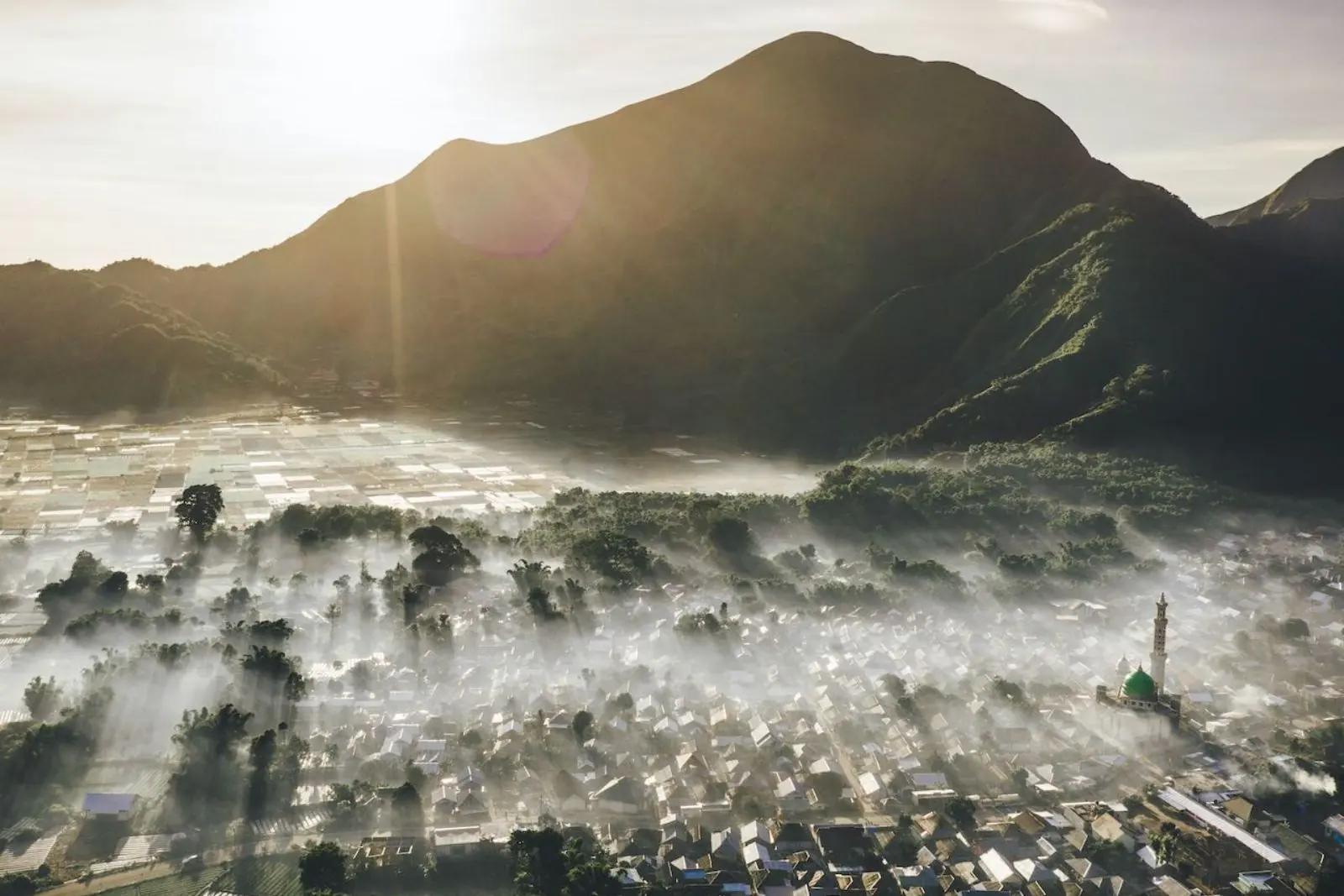
Base: Senaru Village, North Lombok
Airport Transfer: Lombok International Airport – approx. 3 hours
Senaru to Sembalun: Approx. 1 hour by road
Senaru to Mataram: Approx. 2.5 hours by road
Senaru to Gili Islands: Approx. 1.5 hours (road and boat)
Summary
This map gives an overview of the key locations across Lombok relevant to the Cultural and Service Expedition. All activities are accessible from Senaru Village, which serves as the base for the program.
Cafe Rinjani Dawn in Batukoq is the operational centre for all school programs – used for meals, briefings, and as the daily meeting point. The Senaru Waterfall Trail, Panoramic Walk, and Teregenit Rice Field Walk all start within minutes of the cafe.
The Islamic Centre and Water Palace in Mataram are a full-day cultural excursion, approximately 2.5 hours from Senaru by road. The Gili Islands are reached by road to the port and a short boat crossing – approximately 1.5 hours in total – and are used for marine conservation education and snorkelling. Lombok Wildlife Park is available as an optional activity.
For schools combining this program with a mountain expedition, Sembalun Village is approximately one hour from Senaru by road and serves as the start or finish point for Rinjani trekking programs. The airport transfer from Lombok International Airport to Senaru is approximately 3 hours – worth factoring into your travel day planning.
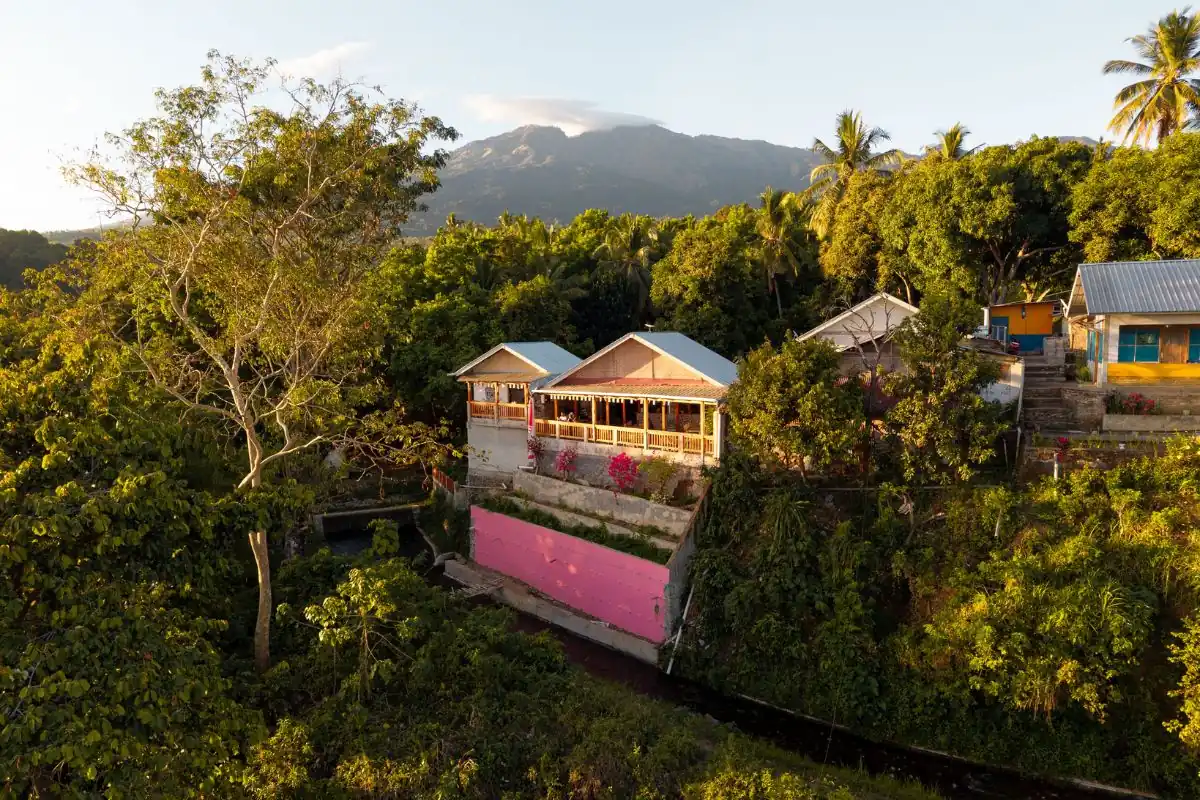
Location: Batukoq, Senaru, Lombok
Operated By: Rinjani Dawn Adventures
Senaru Waterfall Trail: Start of trail
Senaru Traditional Village: 15 minutes walk
Local Partner School: 5 minutes walk
Facilities: Restaurant, meeting space, briefing area, organic garden
Dietary Requirements: Vegetarian, vegan, gluten-free and allergy-specific diets accommodated
Summary
Cafe Rinjani Dawn is owned and operated by Rinjani Dawn Adventures – the locally led team co-founded by Venture Beyond director Angus Lawrence and Senaru-based co-founder Saefudin Zohri. Situated in Batukoq at the start of the Senaru Waterfall Trail, the cafe serves as the operational heart of all school programs – the place where groups arrive, eat, debrief, and begin each day.
The cafe holds a 4.8-star rating on Google and is known for fresh, well-prepared food using locally sourced ingredients. The kitchen maintains an organic garden on site, growing a range of vegetables used directly in meal preparation. All dietary requirements are accommodated – vegetarian, vegan, gluten-free, and allergy-specific diets are all catered for. Schools are asked to provide full dietary information for all students and staff at the time of booking.
During school expeditions, Cafe Rinjani Dawn becomes the daily meeting point for briefings, meals, and end-of-day debriefs. Having a dedicated space owned and run by our own partners – rather than a generic hotel restaurant – makes a genuine difference to the quality and coherence of the program.
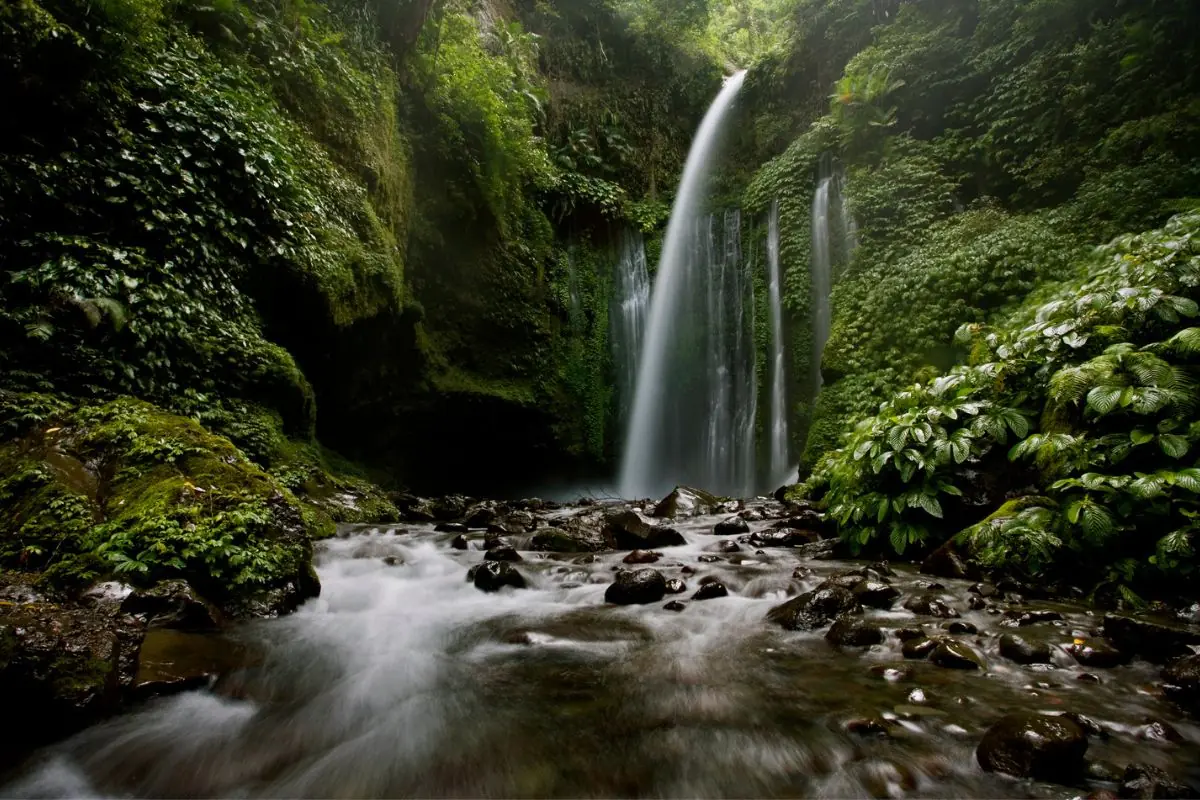
Trail Type: Return loop
Distance: 5.1km
Elevation Gain: +213m
Start Elevation: 471m
Max Elevation: 518m
Estimated Duration: 2 to 3 hours
Difficulty: Easy – suitable for all fitness levels
Trailhead: Cafe Rinjani Dawn, Batukoq, Senaru
Summary
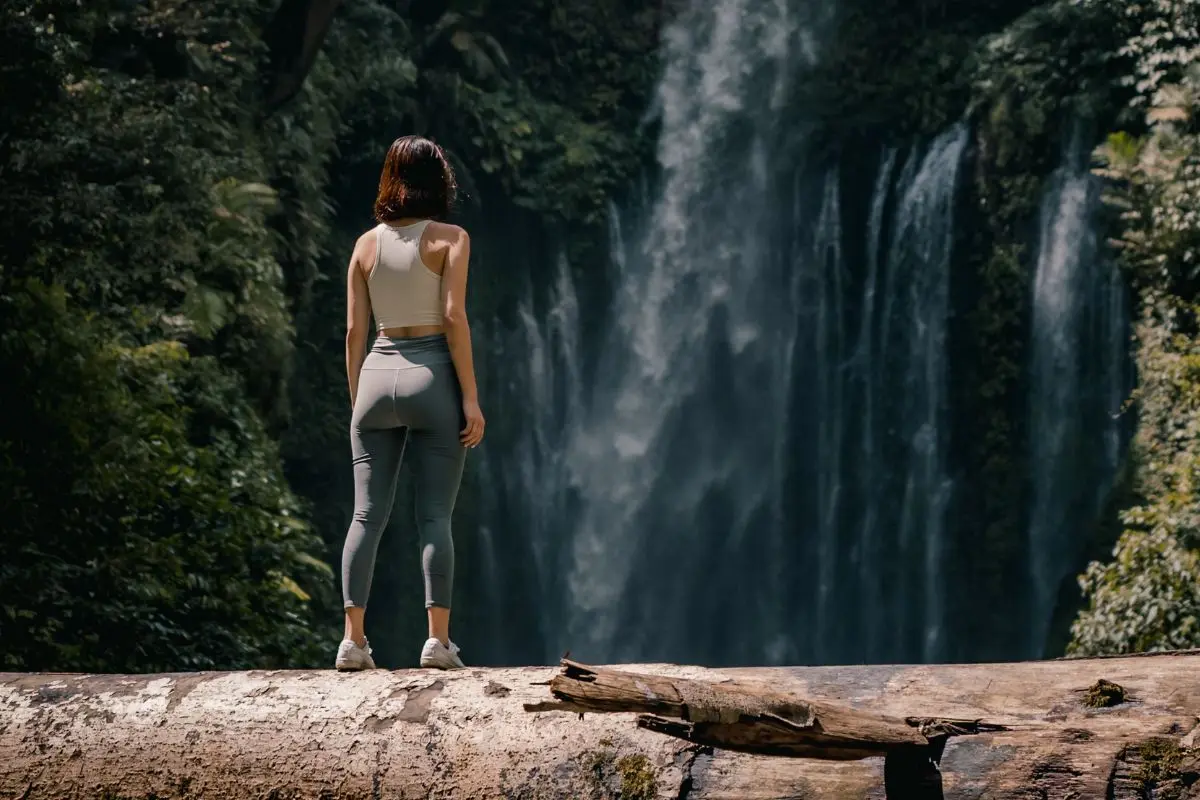
The Senaru Waterfall Trail is the most accessible walk in the program and one of the most rewarding. Starting from Cafe Rinjani Dawn at the edge of Senaru Village, the trail descends through dense forest on the lower slopes of Mount Rinjani before arriving at Sendang Gile – a wide, powerful cascade that drops into a natural pool at around 30 metres. From there, a short onward climb through river gorge and forest leads to Tiu Kelep, a taller and more dramatic waterfall that students can swim beneath in the wet season.
The trail covers 5.1km return with around 213 metres of elevation change. It is well-maintained and manageable for all fitness levels, making it a strong opening activity for mixed-ability groups – physically engaging without being demanding. The forest walk also serves as a genuine introduction to the Rinjani National Park environment, with the canopy, birdlife, and river crossings providing natural talking points for environmental education discussions.
The trailhead at Cafe Rinjani Dawn places this walk directly alongside the Senaru Traditional Village and the local school we partner with – making it straightforward to pair with a cultural visit or community activity on the same day.
Trail Type: Point to point
Distance: 4.9km
Elevation Gain: +241m
Elevation Loss: -282m
Start Elevation: 514m (Teresgenit Village)
Finish Elevation: 473m (Cafe Rinjani Dawn, Batukoq)
Estimated Duration: 2 to 3 hours
Difficulty: Easy to moderate – some undulating terrain through rice fields and forest
Transport: Transfer required from Batukoq to Teresgenit to start
Summary
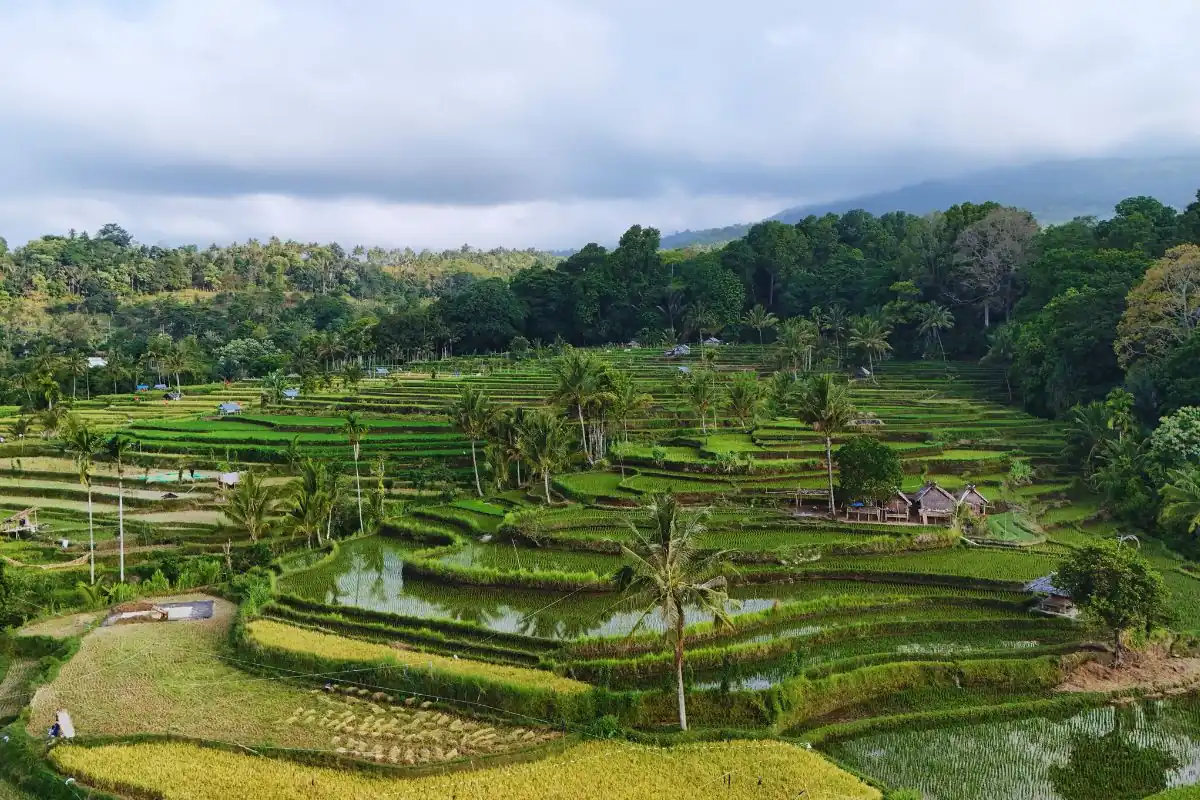
The Bayan Rice Field Walk is a point-to-point trail starting in Teresgenit Village and finishing at Cafe Rinjani Dawn in Batukoq – a natural end point that makes logistics simple for school groups. The walk covers 4.9km through working rice fields, mixed farming terraces, and patches of forest on the mid-slopes above Senaru, with views across the valley towards the coast.
The route is not flat. After a short transfer from Batukoq to the Teresgenit trailhead, the walk climbs to around 592m before descending through the rice terraces and back down into Senaru. The total elevation change of over 500 metres gives the walk a genuine physical dimension while remaining well within the capability of any reasonably fit student group.
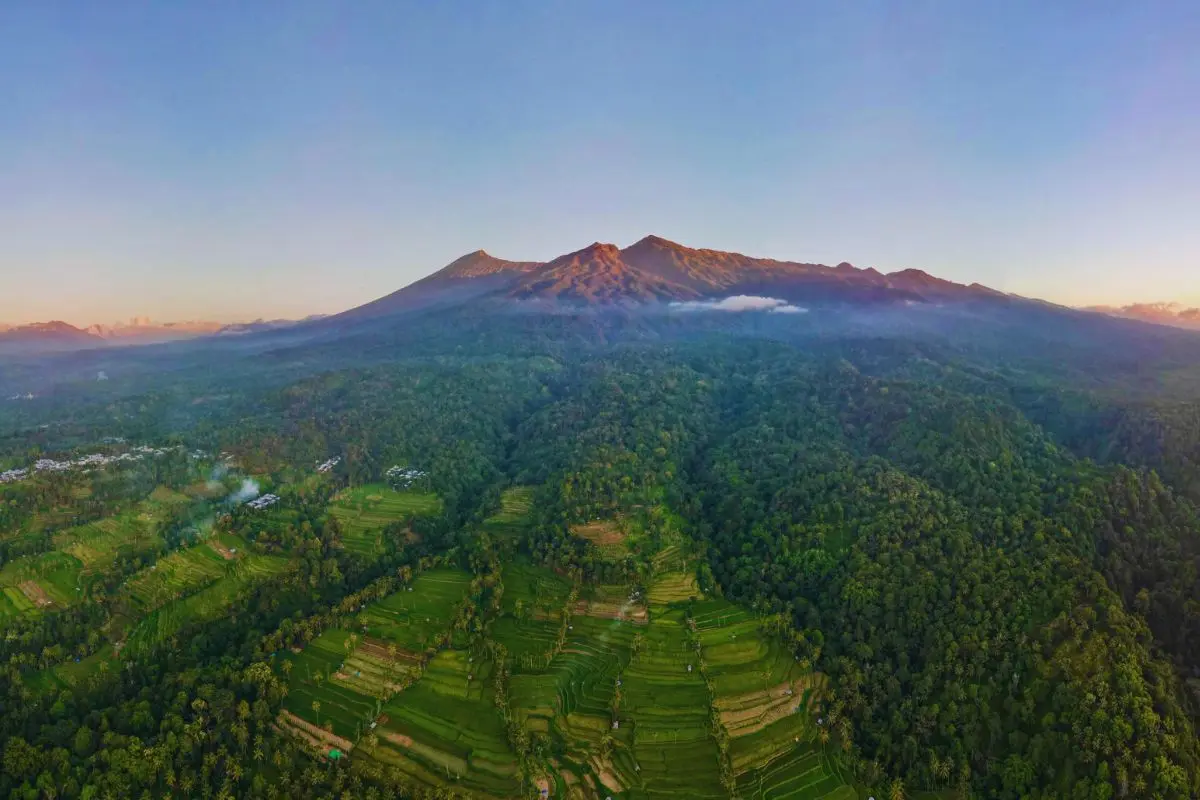
This is one of the most visually distinctive walks in the program. Bayan district rice cultivation follows traditional Sasak farming methods, and the terraced landscape – particularly in the growing season – provides an outstanding setting for environmental education discussions around food systems, land use, and rural community life. The walk pairs naturally with a farm visit or a stop at a working coffee or vanilla plantation en route.
Groups finish at Cafe Rinjani Dawn, making this walk a natural fit as a morning activity before lunch and an afternoon briefing or community session.
Trail Type: Point to point
Distance: 3.4km
Elevation Gain: +228m
Elevation Loss: -115m
Start Elevation: 485m (Cafe Rinjani Dawn, Batukoq)
Finish Elevation: 598m (Senaru Traditional Village)
Estimated Duration: 2 hours
Difficulty: Easy to moderate – steady climb through rice terraces and forest
Transport: Return transfer from Senaru Traditional Village to Batukoq required
Summary
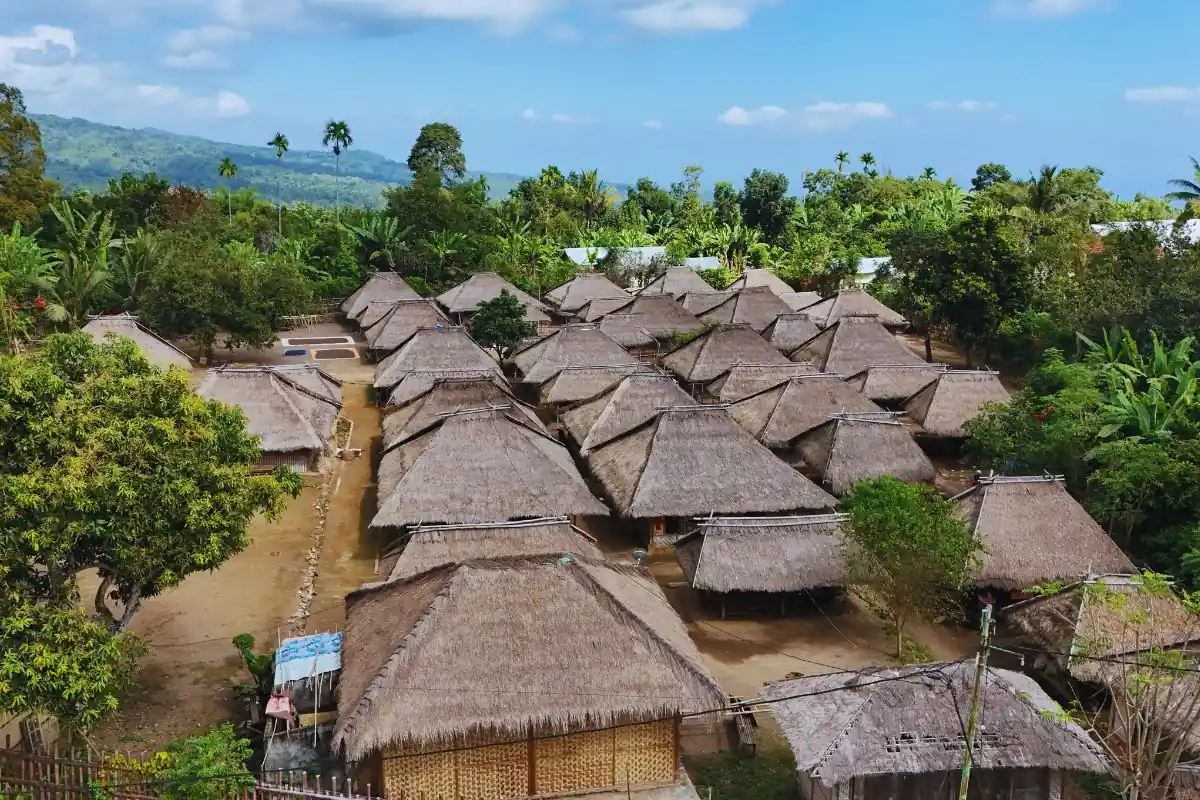
The Senaru Panoramic Walk is a cultural trail that begins at Cafe Rinjani Dawn in Batukoq and climbs through rice terraces and highland forest to Senaru Traditional Village – one of the oldest Sasak villages on Lombok and a significant cultural landmark. At 3.4km with 228 metres of elevation gain, it is a manageable walk for all fitness levels and one of the most rewarding in the program.
The route follows the landscape above Senaru Village, opening up panoramic views across the valley and towards the coast as it climbs. The transition from terraced farmland to forest to traditional village gives the walk a natural narrative arc – students move through different layers of the Senaru environment before arriving at the village itself.
Senaru Traditional Village is a living community, not a reconstructed cultural site. Residents maintain traditional Sasak architecture, customs, and ways of life that predate Indonesian independence. A guided visit to the village at the end of the walk – meeting residents, learning about traditional building methods, and understanding the significance of the site within Sasak culture – makes this one of the most educationally rich activities in the program.
The walk pairs naturally with the Senaru Waterfall Trail, which shares the same trailhead at Cafe Rinjani Dawn. Groups completing both walks in a single day will cover the full cultural and natural landscape of the Senaru area.
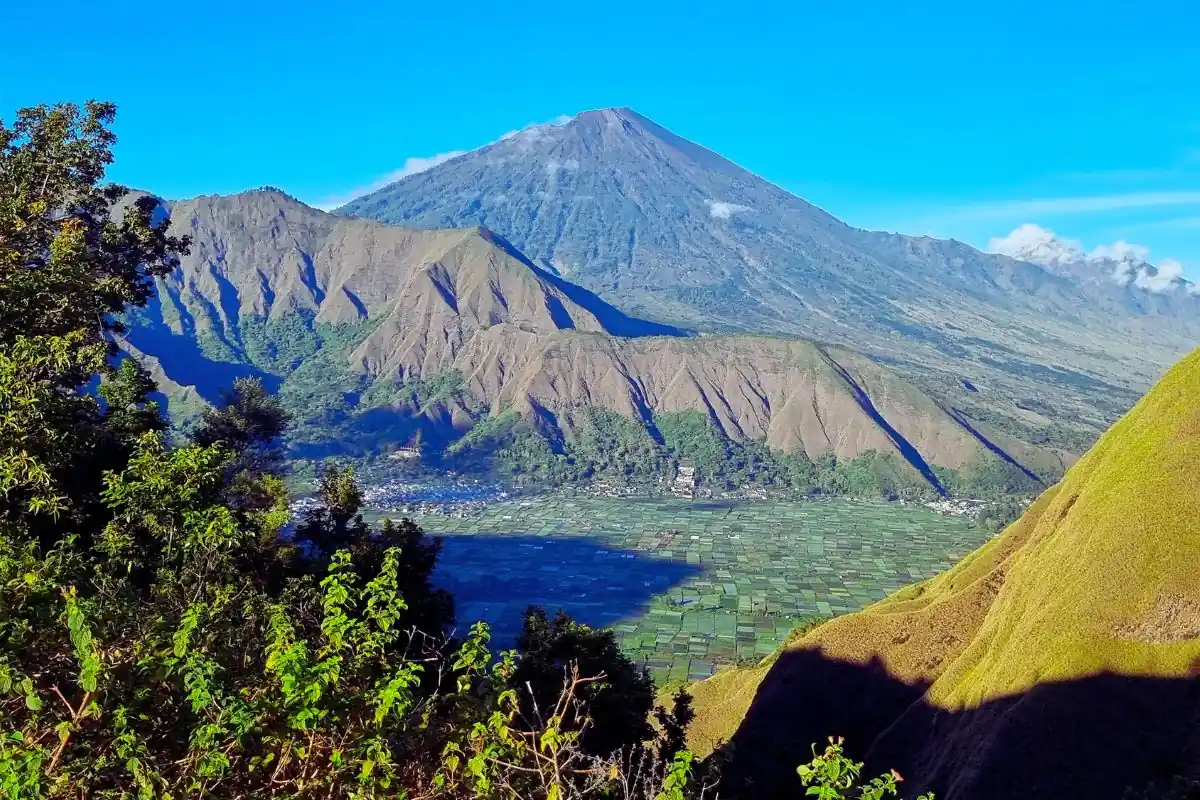
Location: Sembalun Highlands, East Lombok
Transfer from Senaru: Approximately 1 hour by road
Starting Altitude: Approximately 1,200m above sea level
Dandaun Trail: 2.3km return | +347m | Max 1,537m | Easiest
Bao Daya: 4.1km return | +304m | Max 1,555m | Easy to moderate
Pergasingan Hill: 4.3km return | +575m | Max 1,743m | Moderate
Anak Dara: 4.7km return | +651m | Max 1,870m | Most demanding
Best Conditions: April to October
Summary
The Sembalun Highlands sit on the eastern side of Mount Rinjani at around 1,200m above sea level – a broad, open valley of grassland, farmland, and highland forest with outstanding views up towards the Rinjani crater rim. For Cultural and Service Expedition groups wanting a trekking component without committing to a full mountain program, a day trip to Sembalun adds a genuinely different landscape to the program.
Four day trek options are available, ranging from the accessible Dandaun Trail to the more demanding Anak Dara. All four are return routes starting and finishing at the same trailhead. The right choice for your group will depend on fitness, experience, and the time available – we will give you an honest recommendation during the planning stage.
Dandaun Trail (2.3km, +347m, max 1,537m) is the shortest and most accessible option – a good introduction to highland trekking for groups with limited outdoor experience.
Bao Daya (4.1km, +304m, max 1,555m) covers more distance with moderate elevation gain – well suited to groups that want a longer walk without a steep sustained climb.
Pergasingan Hill (4.3km, +575m, max 1,743m) is a moderate challenge with exceptional views across the Sembalun Valley and towards the Rinjani summit. One of the most rewarding day treks in the area.
Anak Dara (4.7km, +651m, max 1,870m) is the most demanding of the four options, reaching almost 1,900m with over 650m of elevation gain. Recommended for fit, motivated groups looking for a genuine physical challenge as part of the program.
The transfer from Senaru to Sembalun takes approximately one hour by road, making this a comfortable full-day excursion. Schools wanting a more in-depth Sembalun experience – including overnight trekking options – should explore our dedicated Sembalun Highlands Expedition.
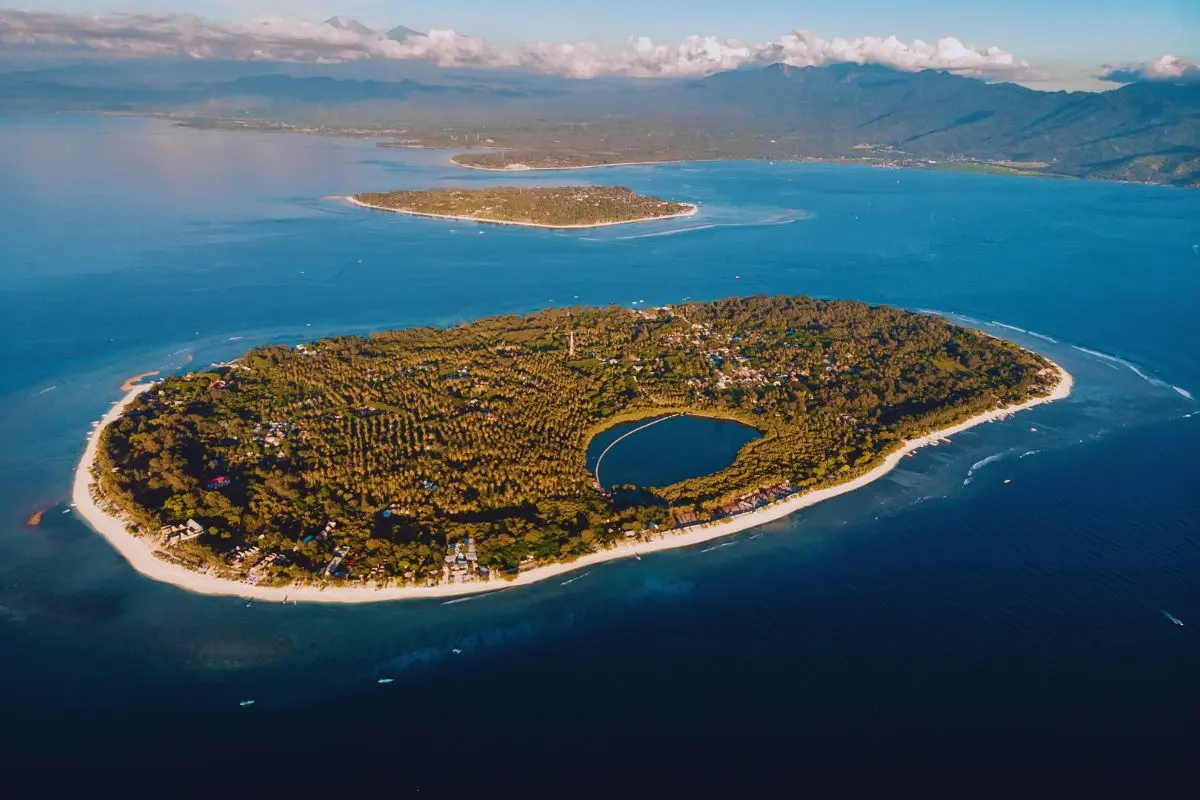
Location: Gili Islands, Northwest Lombok
Transfer to Bangsal Harbour: Approximately 1.5 hours from Senaru
Boat to Gili Air: Approximately 15 minutes from Bangsal
Island Size (Gili Air): 1.75km² – the largest and most relaxed of the three Gili Islands
Reef Coverage: Coral reefs surrounding all three islands
Marine Life: Green and hawksbill sea turtles, reef sharks, octopus, more than 200 species of reef fish
Visibility: Typically 10 to 20 metres
Water Temperature: 26 to 29°C year-round
Best Conditions: April to October
Summary
The Gili Islands sit off the northwest coast of Lombok – three small coral-fringed islands with no motorised vehicles, clear warm water, and some of the most accessible reef snorkelling in Indonesia. For school groups based in Senaru, a full day on the Gili Islands provides a genuine contrast to the highland environment and a natural setting for marine environment education.
The journey from Senaru takes approximately 1.5 hours by road to Bangsal Harbour, followed by a 15-minute public boat crossing to Gili Air. Of the three islands, Gili Air is the most suitable for school groups – large enough to offer space and variety, relaxed in atmosphere, and with reef access directly from the beach.
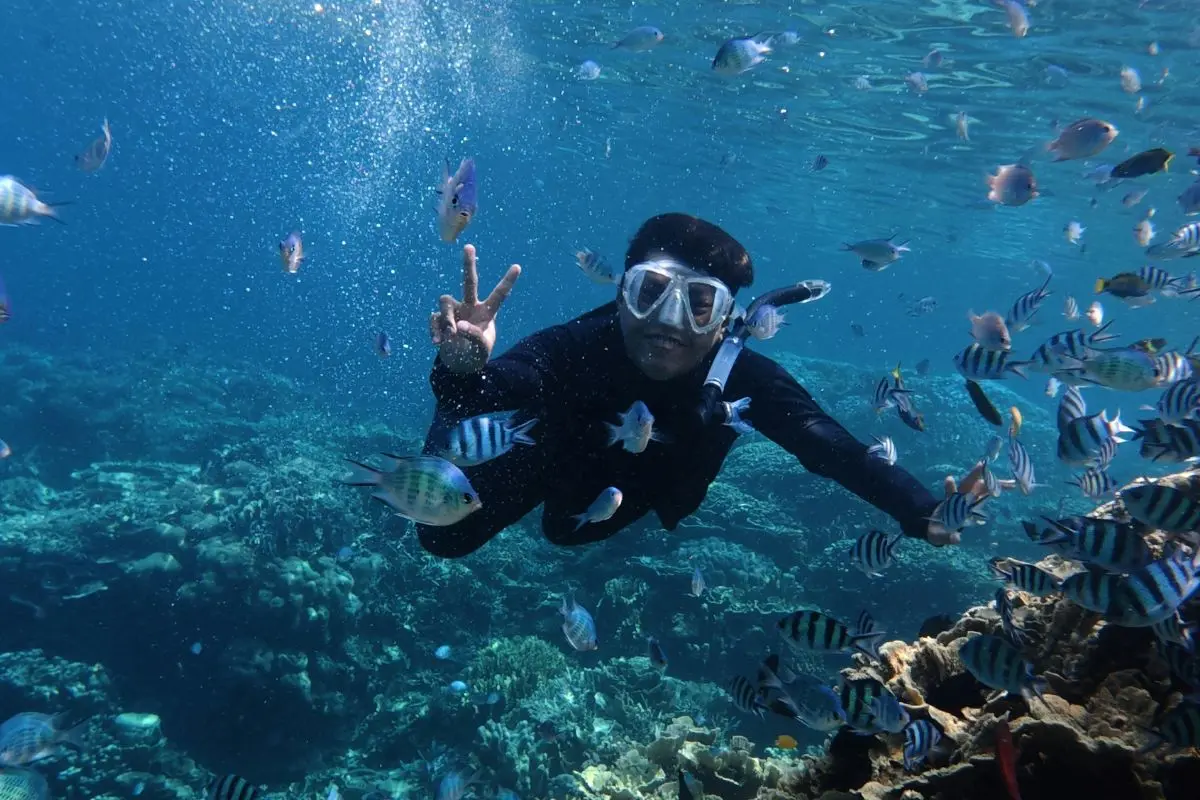
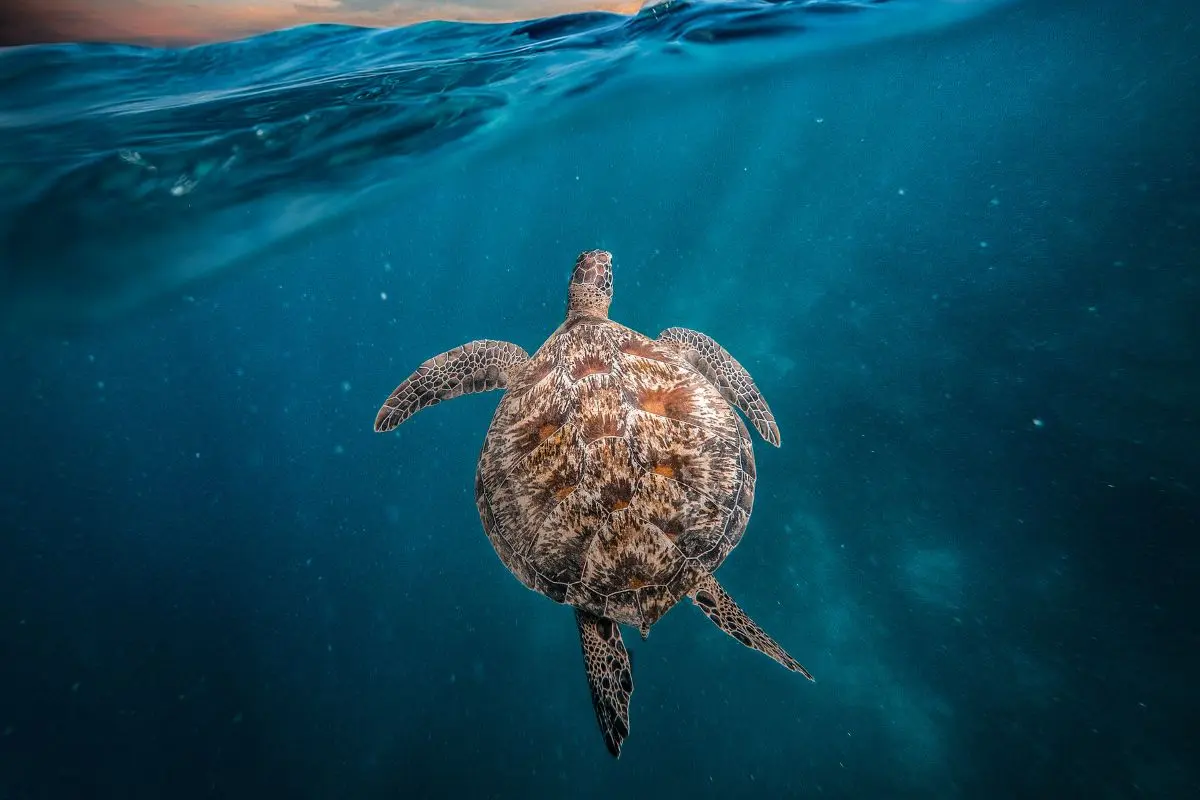
Snorkelling conditions are excellent for students with little or no prior experience. The reefs are shallow and accessible, water temperatures sit between 26 and 29°C year-round, and visibility is typically 10 to 20 metres. Green and hawksbill sea turtles are commonly encountered, along with reef sharks, octopus, and more than 200 species of reef fish.
The marine environment education component of the day can be structured around reef health observation, species identification, and the pressures facing coral ecosystems across Indonesia. This activity maps directly to IB CAS Activity and Service strands and supports UN SDG 14 – Life Below Water. We are currently establishing a formal partnership with a local marine conservation organisation on Gili Air to provide a guided educational program – contact us for current details.
Full itinerary, route notes, and risk assessment documentation are available on request. Contact us to discuss your program.
Safety and Operations
Venture Beyond Expeditions operates this program under a risk management framework aligned with the Australian Adventure Activity Standards. Our guide-to-student ratio is 1:4, with a minimum of two qualified guides on every program.
All snorkelling activities in the Gili Islands are conducted under the supervision of experienced water safety staff. Students are assessed for swimming competency before entering the water, and snorkelling is conducted in designated areas with appropriate depth and conditions for the group. Schools may require students to wear lifejackets during snorkelling activities – this is a school decision and can be accommodated. Schools are asked to provide swimming ability information for all students at the time of booking.
Every lead teacher receives a full emergency protocol document before departure, covering evacuation routes, the contact chain, and the location of the nearest medical facilities. Saefudin Zohri, co-founder of Rinjani Dawn Adventures, is based at our Senaru office throughout every school expedition and coordinates directly with guides and emergency services if required.
Detailed risk assessment documentation is available on request for school risk committees and board presentations.
Frequently Asked Questions
What is the Cultural and Service Expedition?
The Cultural and Service Expedition is a standalone school program based in and around Senaru Village at the base of Mount Rinjani, Lombok. It is designed for schools seeking a structured, curriculum-aligned outdoor education experience focused on community engagement, environmental education, and cultural immersion – without the demands of a mountain trekking program.
It is a distinct program from our mountain expeditions and is not recommended as an add-on to the Mount Rinjani Summit Expedition or the Rinjani Crater Rim Expedition within a standard school trip timeframe.
Which UN Sustainable Development Goals does this program support?
The Cultural and Service Expedition is mapped to five UN Sustainable Development Goals:
SDG 4 – Quality Education: engagement with local schools and structured educational activities.
SDG 11 – Sustainable Cities and Communities: community projects through the Sasak Warriors initiative.
SDG 14 – Life Below Water: marine conservation education and snorkelling with a local conservation partner.
SDG 15 – Life on Land: farm visits, highland trekking, and environmental awareness in the Rinjani National Park region.
SDG 17 – Partnerships for the Goals: collaboration with local community organisations and conservation partners.
Full SDG alignment documentation is available on request and is suitable for school reports, board presentations, and accreditation submissions.
How does this program support IB CAS outcomes?
The Cultural and Service Expedition is designed with IB CAS outcomes in mind across all three strands:
Creativity: Sasak Warriors community projects, cultural workshops, visits to mosques and areas of cultural significance, coffee and vanilla farm experiences.
Activity: day hikes to Senaru Waterfalls, rice field walks, and optional trekking objectives including Dandaun Trail, Pergasingan Hill, and Bao Daya.
Service: engagement with local schools in Senaru, community projects, and marine conservation education with a local conservation partner.
Pre and post-expedition CAS reflection resources are available on request.
Is this program suitable for Duke of Edinburgh Award?
Yes. The Cultural and Service Expedition is suitable for Duke of Edinburgh Bronze and Silver Award expeditions. The program includes physical activity, skill development, and service components that align with DoE requirements.
If your school is pursuing Duke of Edinburgh Gold, which requires a more significant physical and expedition component, our Rinjani Crater Rim Expedition or Mount Rinjani Summit Expedition may be more appropriate. Contact us to discuss.
Who leads the program on the ground?
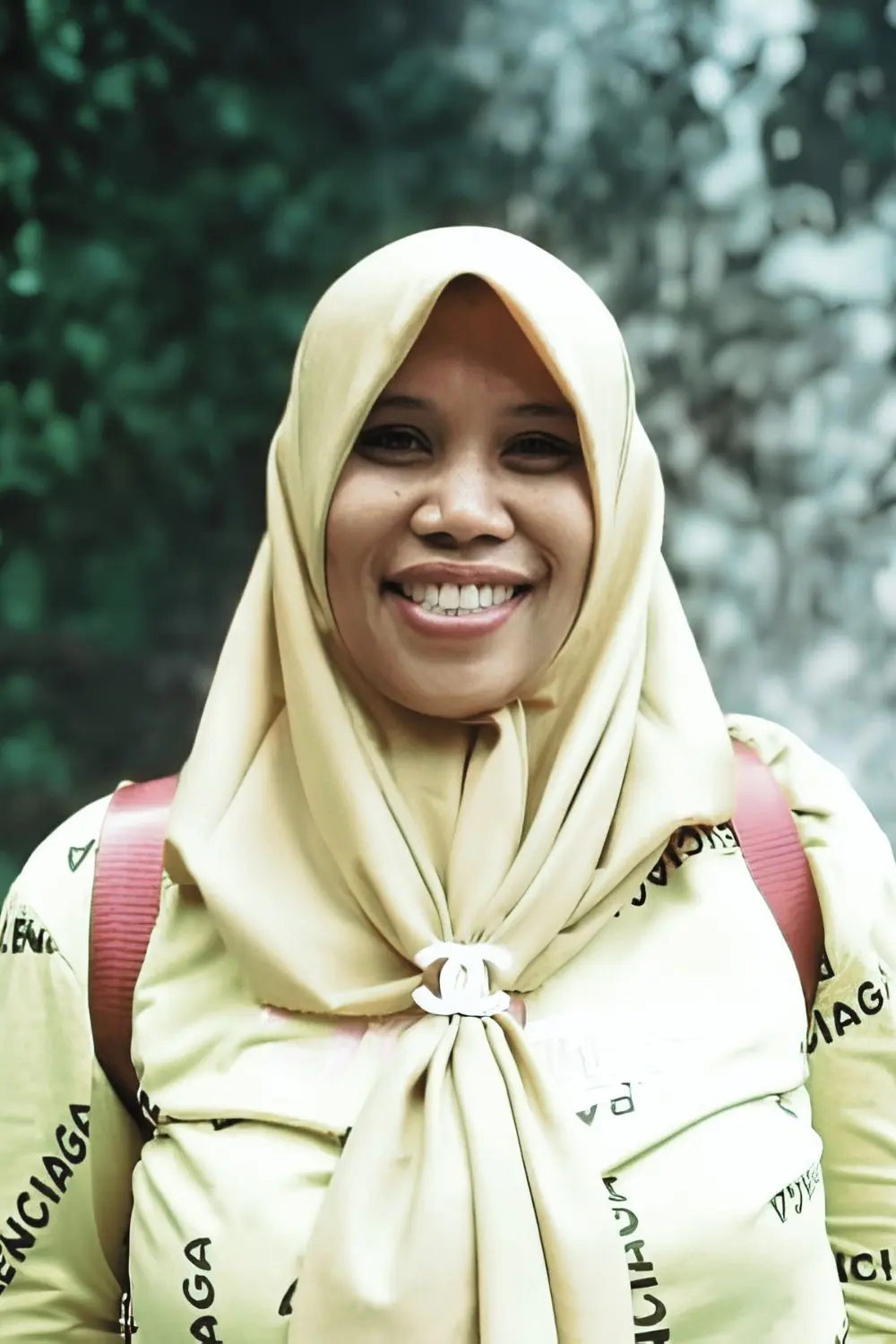
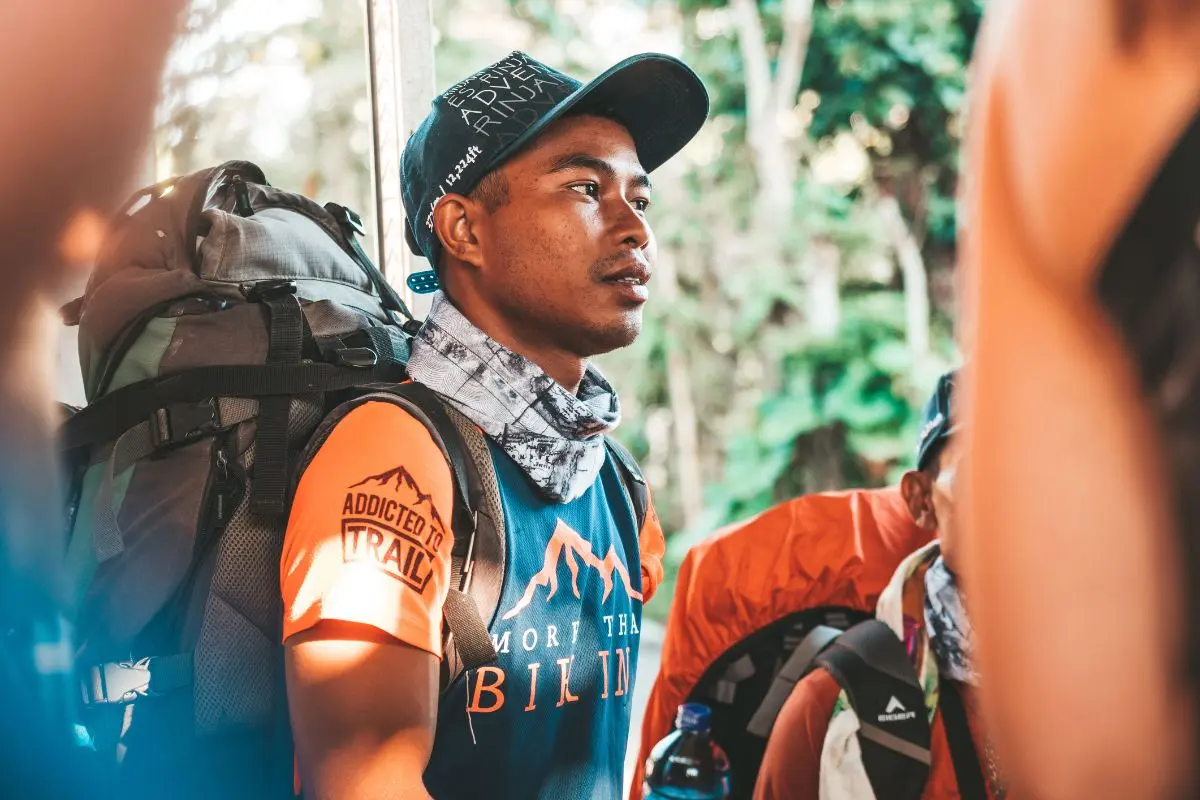
All community and cultural activities are led by Saefudin Zohri and his wife Nursantin, who are embedded in the Senaru community and have built the relationships that make this program possible. They work directly with local schools, community organisations, farms, and cultural partners to deliver a program that is genuine rather than packaged.
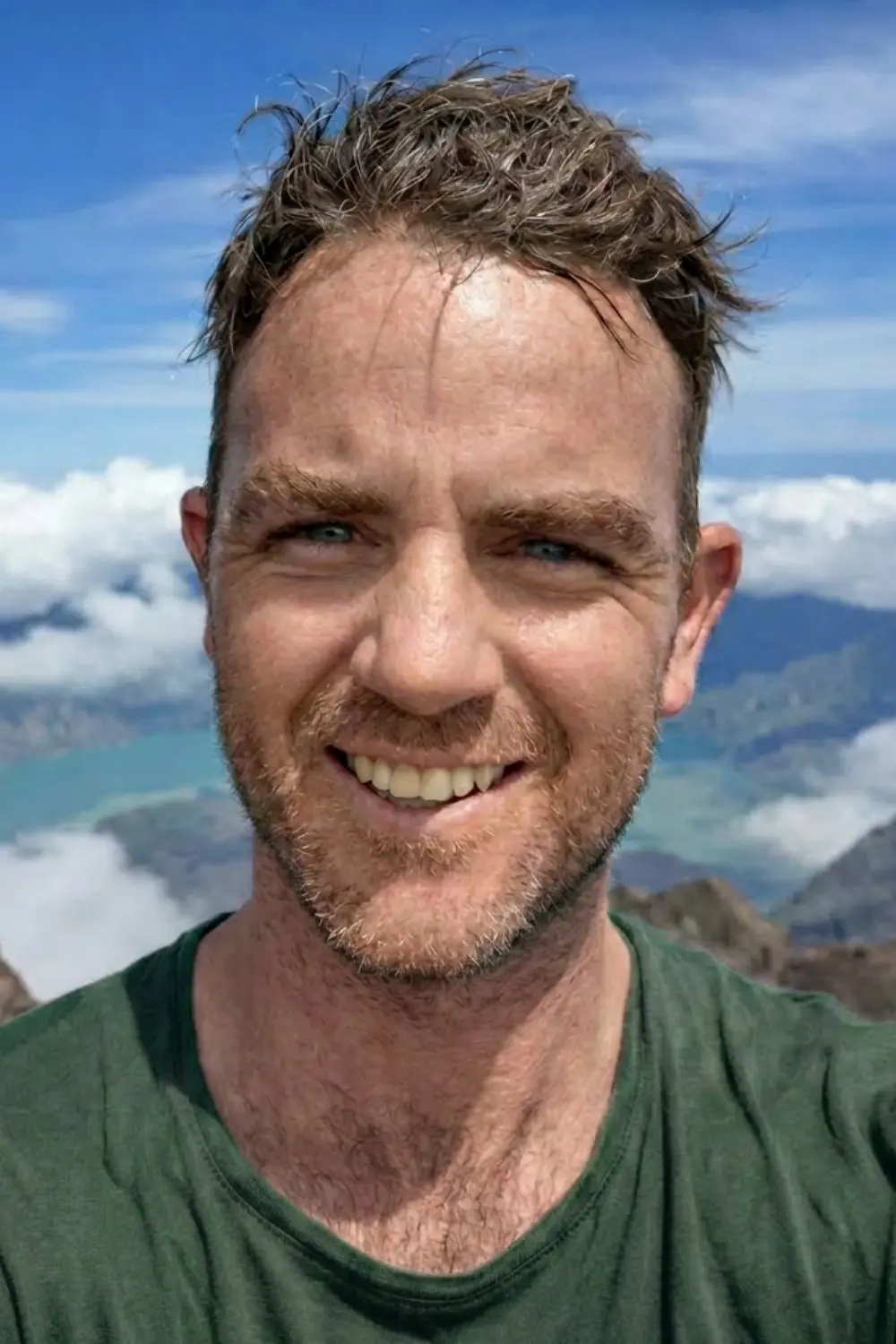
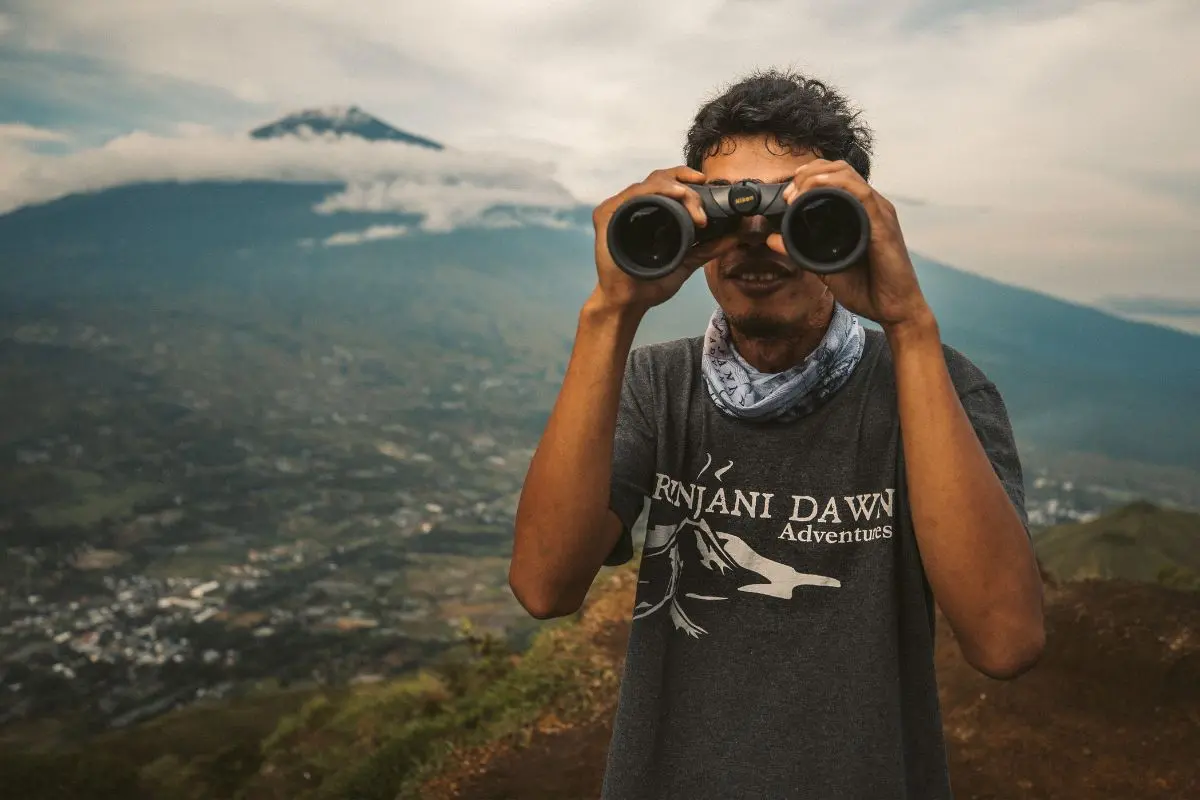
Angus Lawrence, Venture Beyond’s Australian director, is involved in program design and risk management. Trekking components use the same qualified guide team as our mountain programs, with a guide ratio of 1:4 and a minimum of two guides per group.
What activities are included in the program?
Programs are tailored to each school, but activities typically include a combination of the following:
Community and Service: Sasak Warriors community projects, engagement with local schools in Senaru, visits to working farms growing rice, coffee, and vanilla.
Cultural: guided visits to the Islamic Centre in Mataram, the Water Palace, and areas of cultural and historical significance across Lombok.
Environmental: marine conservation education and snorkelling with a local conservation partner in the Gili Islands, environmental awareness activities in and around Senaru Village.
Soft Trekking: Senaru Waterfalls trail, rice field walks, and optional day hikes including Dandaun Trail, Pergasingan Hill, and Bao Daya – suitable for all fitness levels.
Can we combine this program with a Rinjani trekking program?
We do not recommend combining the Cultural and Service Expedition with a Rinjani mountain program within a standard school trip timeframe. The two programs serve different objectives, and attempting to do both in 8-10 days does not do justice to either.
Schools with 10 or more days on the ground may wish to discuss a combined itinerary – contact us and we will give you an honest assessment of what is realistic. For schools primarily interested in the mountain, our Mount Rinjani Summit Expedition and Rinjani Crater Rim Expedition both include cultural orientation elements as part of the program structure.
What is the Sasak Warriors initiative?
The Sasak Warriors is a community initiative founded by Angus Lawrence and Saefudin Zohri in the aftermath of the 2018 earthquakes that devastated parts of Lombok. What began as an emergency response to support the local community in Senaru has grown into an ongoing program of community projects that connects visiting school groups with meaningful, practical work in the village.
Projects range from environmental work to engagement with local organisations and are designed to benefit the community rather than simply provide students with a service activity. Saefudin Zohri and Nursantin lead the program on the ground, drawing on relationships built over many years in Senaru.
Projects are confirmed in advance with each school to ensure they align with curriculum objectives and are genuinely useful to the community. This is not a constructed activity – it is real work with real people.
How long is the program and what does a typical day look like?
The program typically runs for 5 to 7 days and is fully flexible in structure. A typical program might include two or three community and cultural activity days, one full-day marine environment education day in the Gili Islands, one or two soft trekking days, and time built in for structured reflection and journaling.
There is no fixed timetable – programs are designed around your school’s learning objectives and the time available. We work with each school during the planning stage to build an itinerary that works.
What is the best time of year to run this program?
The Cultural and Service Expedition can run year-round. The best conditions are generally April to October, when weather across Lombok and the Gili Islands is most stable and outdoor activities are least likely to be affected by rain.
The wet season runs from November to March, bringing afternoon showers and occasionally rougher sea conditions around the Gili Islands. The program is still very much runnable in the wet season – many of the community and cultural activities are unaffected – but schools should factor weather variability into their planning for snorkelling and coastal days.
What is the group size and how is the program priced?
We accept school groups of 10 to 30 students, with larger groups accommodated with additional planning. Pricing is based on a custom quote per program, dependent on group size, duration, activities selected, and time of year.
A from pricing guide is available on request. We do not publish fixed pricing because no two programs are identical – contact us and we will put together a detailed proposal for your school.
How does this program compare to other Venture Beyond Expeditions programs?
Venture Beyond Expeditions runs four school programs on Lombok, each designed for a different type of school and objective:
The Cultural and Service Expedition is for schools prioritising community engagement, environmental education, and curriculum outcomes without a significant physical challenge. It is the most accessible of our programs and suitable for a wide range of year groups and fitness levels.
The Sembalun Highlands Expedition introduces trekking in the highlands around Rinjani – a progressive, flexible program for schools new to outdoor expedition travel.
The Rinjani Crater Rim Expedition is a serious trekking program reaching 2,659m on the edge of the Rinjani caldera – a genuine physical challenge suitable for fit, motivated groups.
The Mount Rinjani Summit Expedition is the full summit at 3,726m – our flagship program for schools ready for a transformative high-altitude challenge.
Not sure which program is right for your school? Contact us and we will give you an honest recommendation.
Need a Custom Program?
Every school is different. If you have specific curriculum requirements, group size, budget, or timing constraints, we can design a program around them. Talk to us about what you need.
Enquire About This Program
Tell us about your school and your program requirements. We respond to all school enquiries within three business days.