


The Gili Islands
Three small coral-fringed islands off the northwest coast of Lombok, known for snorkelling, diving, and marine conservation
Enquire NowThis page is a school expedition planning guide to the Gili Islands, three small coral-fringed islands situated off the northwest coast of Lombok, Indonesia. It is written for Heads of Outdoor Education, Deputy Principals, and school trip coordinators planning a student expedition to Lombok with Venture Beyond Expeditions. The page covers what the Gili Islands are, how to get there from Lombok International Airport and from Senaru, key information about boat transfers from Bangsal Harbour, accommodation options on the mainland and on the islands, the cultural environment students will encounter, snorkelling and diving experiences including marine life commonly seen on the reef, and the coral regeneration and marine conservation programs operating on the islands, including those run by Gili Eco Trust and Coral Catch. The page also addresses frequently asked questions relevant to school group logistics, in-water safety, duty of care planning, and curriculum connections across environmental science, geography, and sustainability. The Gili Islands are typically visited as the coastal component of a combined Lombok expedition following a Mount Rinjani trek, or as the centrepiece of a dedicated Cultural and Service Expedition. Venture Beyond Expeditions is an Australian-registered school expedition operator whose ground partner, Rinjani Dawn Adventures, has operated on Lombok for over twelve years.
The Gili Islands
The Gili Islands are three small coral-fringed islands situated off the northwest coast of Lombok, separated from the mainland by a short fast boat crossing from Bangsal Harbour. Gili Trawangan, Gili Meno, and Gili Air together form a protected marine park and are among the most biodiverse reef environments in Southeast Asia. No petrol-powered vehicles are permitted on any of the islands. Life here moves at the pace of a bicycle or a cidomo, the traditional horse-drawn cart still used to move luggage between the jetty and accommodation.
The reef systems surrounding the Gilis support large populations of green sea turtles and hawksbill sea turtles, as well as reef sharks, octopus, moray eels, and hundreds of species of reef fish. For school groups, the islands offer snorkelling and diving experiences that are genuinely accessible, with healthy coral gardens found in shallow water close to shore across all three islands.
Marine conservation is central to life on the Gilis. The Gili Eco Trust coordinates island-wide environmental programs including waste management, reef monitoring, and coral restoration. Coral Catch runs a coral regeneration program that trains and employs local women as coral gardeners, combining reef restoration with community economic empowerment. Venture Beyond programs incorporate visits to active coral regeneration sites, giving students direct exposure to conservation science and the people doing the work.
A visit to the Gili Islands works particularly well as the coastal component of a combined Lombok expedition, pairing the highland environment of Mount Rinjani with the marine environment of the reef. The contrast between the two creates a richer overall experience and strong cross-disciplinary learning opportunities for students.
The Gili Islands at a Glance
- Location
- Northwest Lombok, Indonesia
- Islands
- Gili Trawangan, Gili Meno, Gili Air
- Distance from Lombok Airport
- Approx. 45km to Bangsal Harbour
- Transfer Time
- Approx. 1.5 hours by road to Bangsal, then 15 to 30 minutes by fast boat
- Transport on the Islands
- Cidomo (horse cart), bicycle, and electric bike
- Marine Park
- Protected coral reef ecosystem
- Known For
- Snorkelling, diving, and coral reef regeneration
- Best Time to Visit
- April to October (dry season)
- Conservation Leaders
- Gili Eco Trust and Coral Catch
Gili Islands for Schools
The Gili Islands offer a marine environment that is difficult to replicate on a school expedition anywhere else in the region. The reef systems are healthy, the water is clear, and the conservation activity happening on and around the islands gives students something more substantive than a snorkelling excursion. It is an environment where curriculum content becomes tangible.
For most schools, the Gili Islands form the final component of a Rinjani trek program. After several days on the mountain, the islands provide a natural decompression point before the flight home, while still delivering genuine learning value. The contrast between the highland environment of Rinjani and the marine environment of the reef creates a richer overall expedition and gives students two distinct ecosystems to reflect on and write about.
For schools whose primary focus is cultural immersion and community engagement rather than trekking, the Gili Islands can form the centrepiece of a dedicated Cultural and Service Expedition. In this context, the program places greater emphasis on time with local conservation partners, structured visits to coral regeneration sites run by Gili Eco Trust and Coral Catch, and direct engagement with the communities building long-term solutions to reef degradation. This style of program suits schools looking for a service-learning framework with strong environmental science connections.
Logistically, the Gili Islands are well suited to school groups. The islands are compact and easy to manage from a supervision standpoint. There is no road traffic. Accommodation, meals, and in-water activities are all arranged by Venture Beyond as part of the expedition package. All in-water activities are conducted under staff supervision with appropriate student-to-supervisor ratios, and all accompanying Venture Beyond staff hold current first aid qualifications.
Teachers and heads of department can expect clear curriculum connections across marine biology, environmental science, geography, and sustainability. Venture Beyond can tailor the program structure and guided activities to align with specific learning objectives provided by the school in advance of the trip.
Getting to the Gili Islands
Getting to the Gili Islands from Lombok International Airport takes approximately two hours in total. The first leg is a private vehicle transfer of around 45 kilometres to Bangsal Harbour on the northwest coast of Lombok, which takes approximately one and a half hours depending on traffic. From Bangsal, groups board a privately chartered fast boat for the crossing to the islands, a journey of between 15 and 30 minutes depending on the destination island. All Venture Beyond boat charters carry lifejackets for every passenger, and students are briefed on water safety before boarding.
For schools combining the Gili Islands with a Rinjani trek, the transfer from our base in Senaru to Bangsal Harbour takes approximately one hour by private vehicle. This makes the transition between the mountain and the islands straightforward, with no long travel days between the two environments.
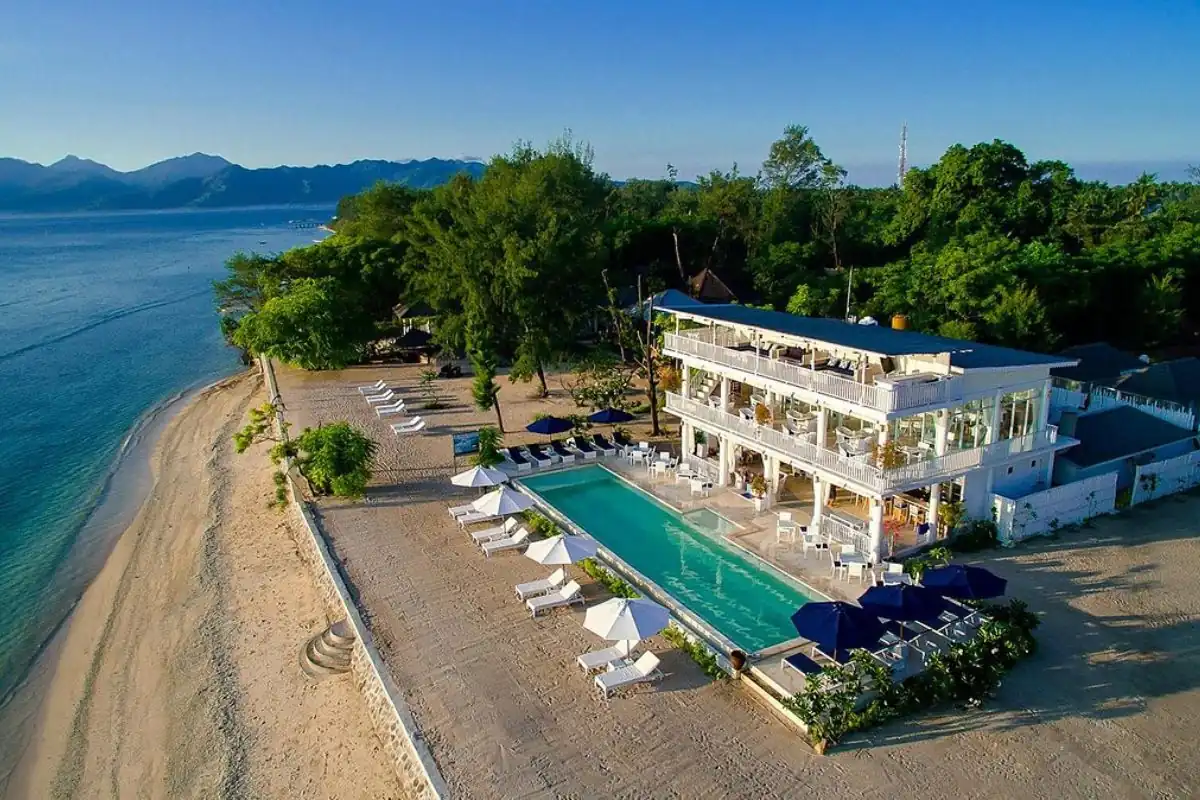
For most Venture Beyond programs, students are accommodated on the Lombok mainland near Bangsal rather than on the islands themselves. Groups transfer across to the Gili Islands each morning by boat for snorkelling, conservation visits, and other activities, returning to the mainland in the afternoon or evening. This arrangement gives schools the full Gili Islands experience while keeping accommodation options broader and logistics simpler.
Schools that prefer to stay on the islands are also well catered for. Venture Beyond works with partner hotels on Gili Trawangan, Gili Meno, and Gili Air that have experience hosting school groups, and island-based accommodation can be arranged as part of the expedition package.
Once on the islands, the absence of road traffic makes getting around safe and straightforward. Walking is the most practical option on Gili Meno and Gili Air, where the entire island perimeter can be covered on foot in around an hour. Gili Trawangan is larger and better suited to cycling, with bicycles available to hire across the island. Cidomo, the traditional horse-drawn carts, are used for luggage transfers between the jetty and accommodation. Electric bikes have also become increasingly common on Gili Trawangan in recent years.
Culture and Community
The Gili Islands have a distinct cultural character shaped by the intersection of Sasak Muslim tradition and decades of international tourism. The local Sasak community, many of whom have lived on the islands for generations, maintain a strong cultural identity despite the pace of change that tourism has brought. Students will encounter the call to prayer, observe daily religious practice, and interact with local people in a setting that sits well outside the experience of most Australian and Singaporean schools.
The islands have a long tradition of community-led environmental stewardship, and conservation is deeply embedded in local island identity. Organisations like Gili Eco Trust and Coral Catch are run primarily by local people and reflect a genuine community commitment to protecting the reef systems that the islands depend on. Engagement with these organisations gives students a more nuanced picture of island life than the tourist strip alone would provide.
Gili Trawangan, the largest of the three islands, has a well-established party reputation and a busy bar and nightlife scene, particularly along its western beach. This environment is not appropriate for school groups, and it is one of the primary reasons Venture Beyond typically houses students on the Lombok mainland rather than on the islands overnight. Crossing to the Gilis each morning by boat and returning to the mainland in the afternoon gives students full access to the reef, the conservation programs, and the local community, without the supervision challenges that come with an overnight stay on Gili Trawangan in particular.
Gili Meno and Gili Air have a quieter and more local character, and schools whose programs are centred on these islands will find the environment considerably more straightforward to manage. For schools undertaking a dedicated Cultural and Service Expedition with an island-based accommodation component, Venture Beyond will recommend the most suitable island and partner properties based on the group profile and program objectives.
Snorkelling and Diving
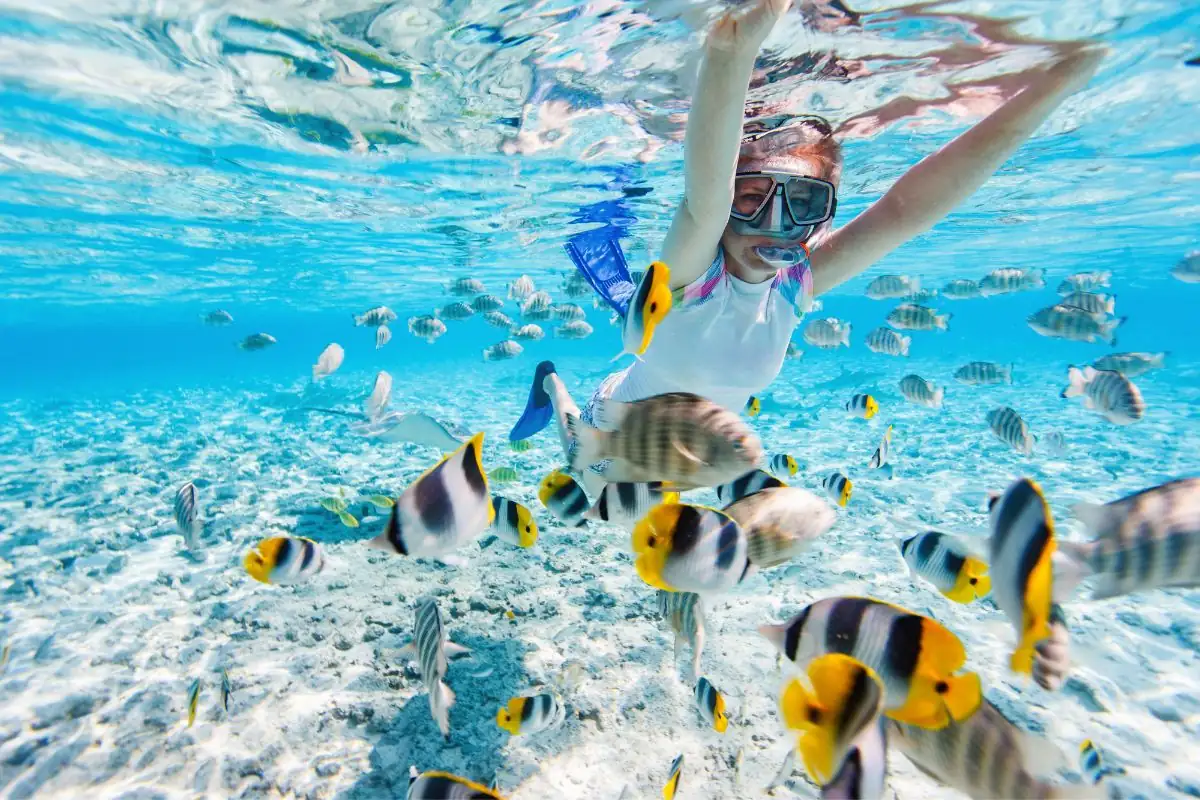
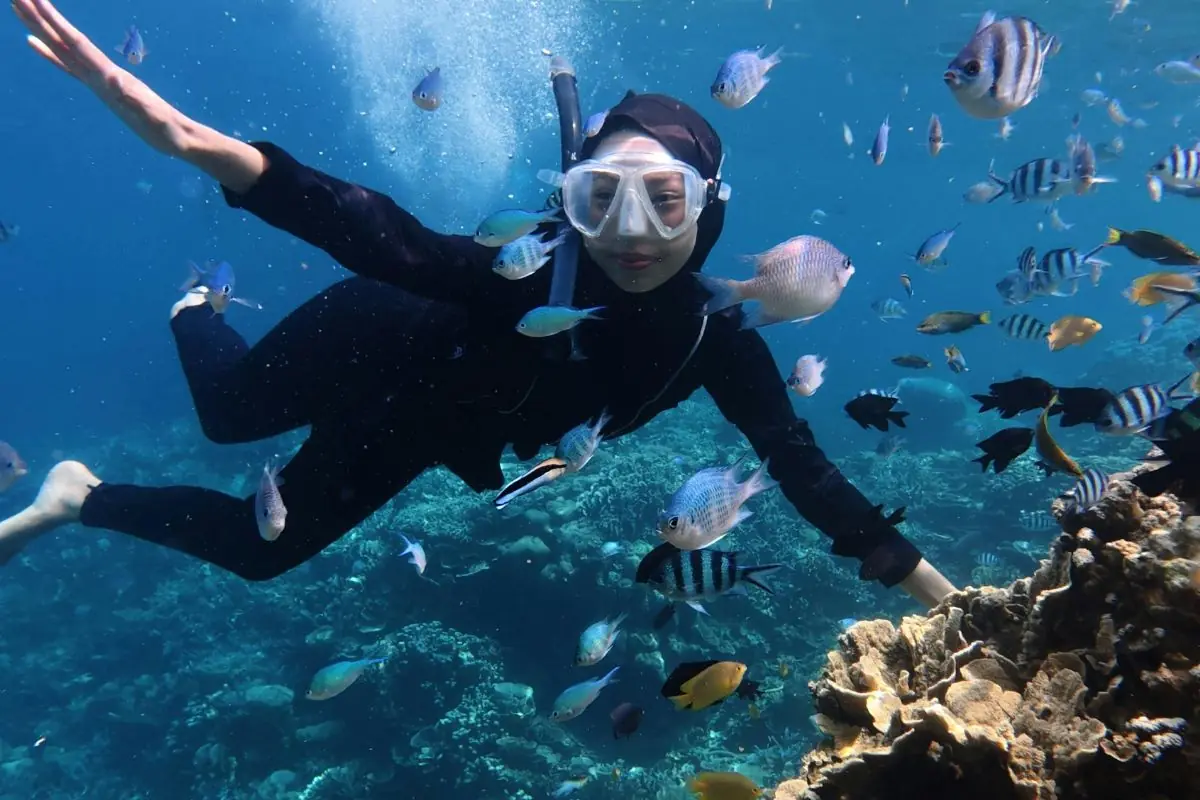
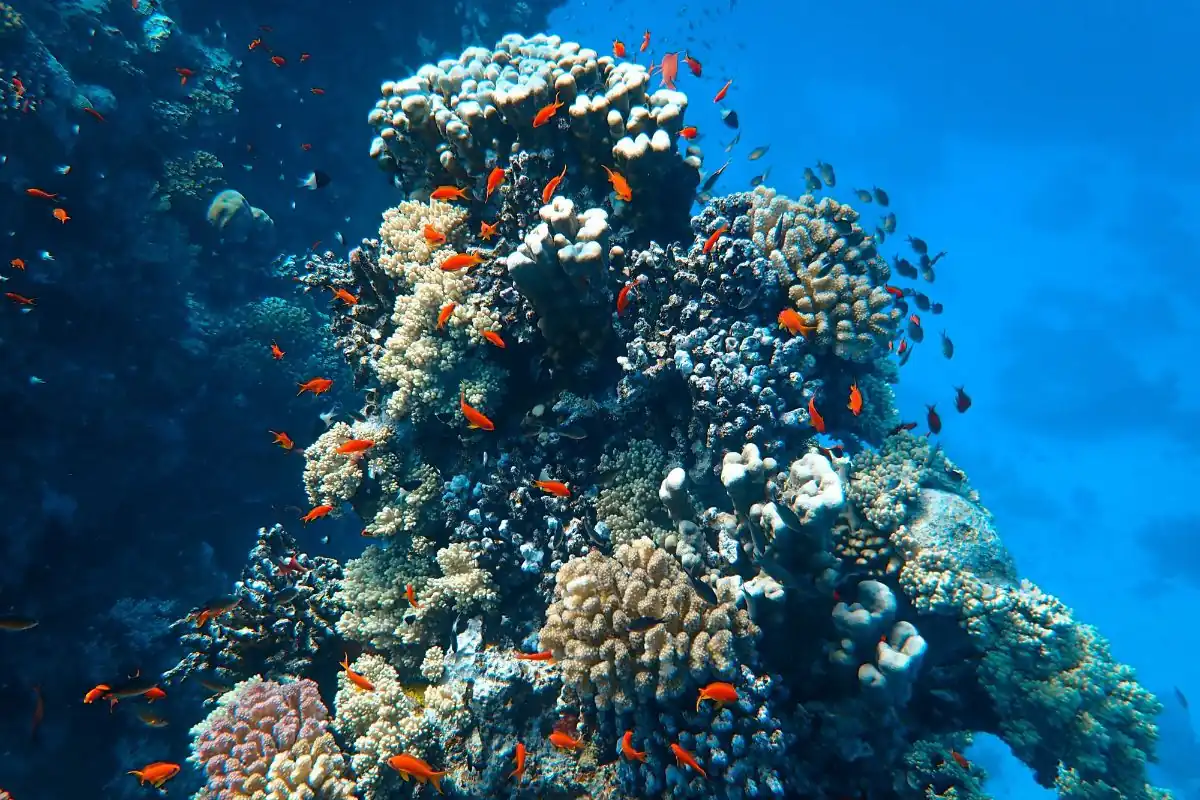
The reef systems surrounding the Gili Islands are among the most accessible in Southeast Asia. Healthy coral gardens begin in shallow water close to shore on all three islands, meaning school groups can snorkel directly from the beach at many locations without requiring boat transport. The visibility is consistently good, the water temperature is warm year-round, and the marine life is abundant enough that a first-time snorkeller is likely to encounter something significant within minutes of entering the water.
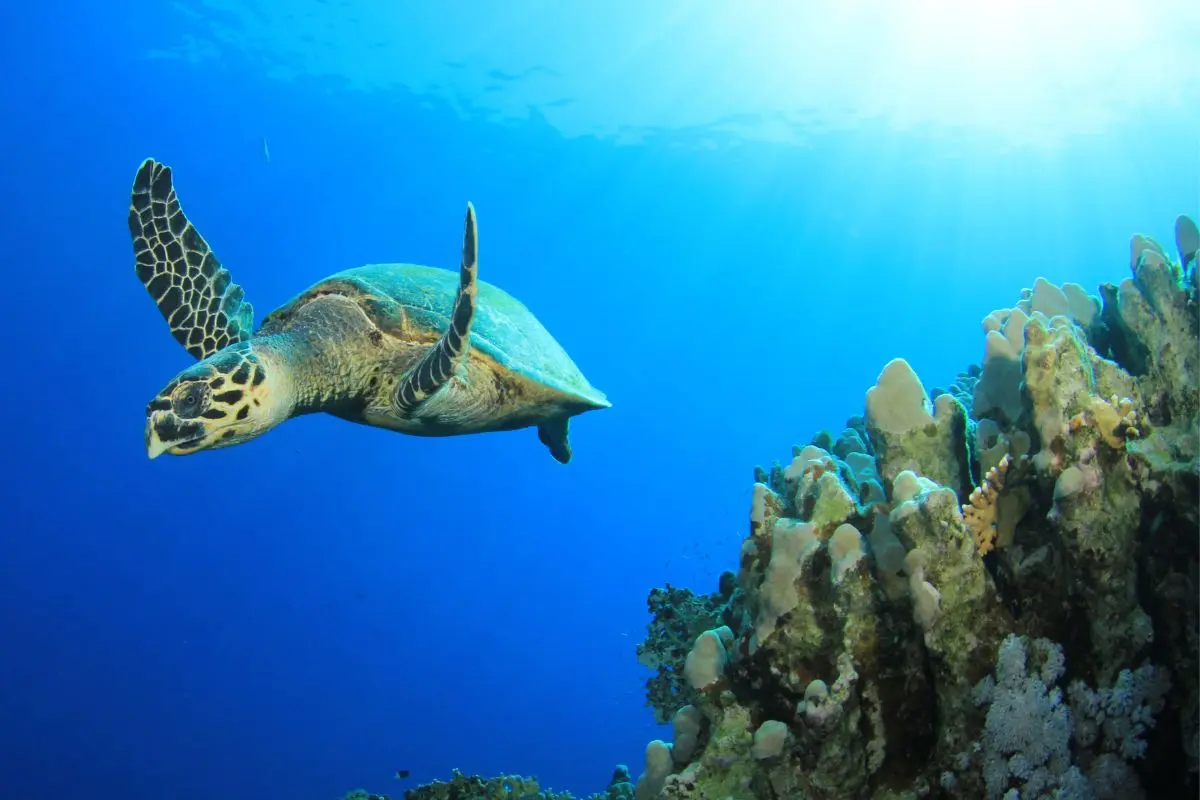
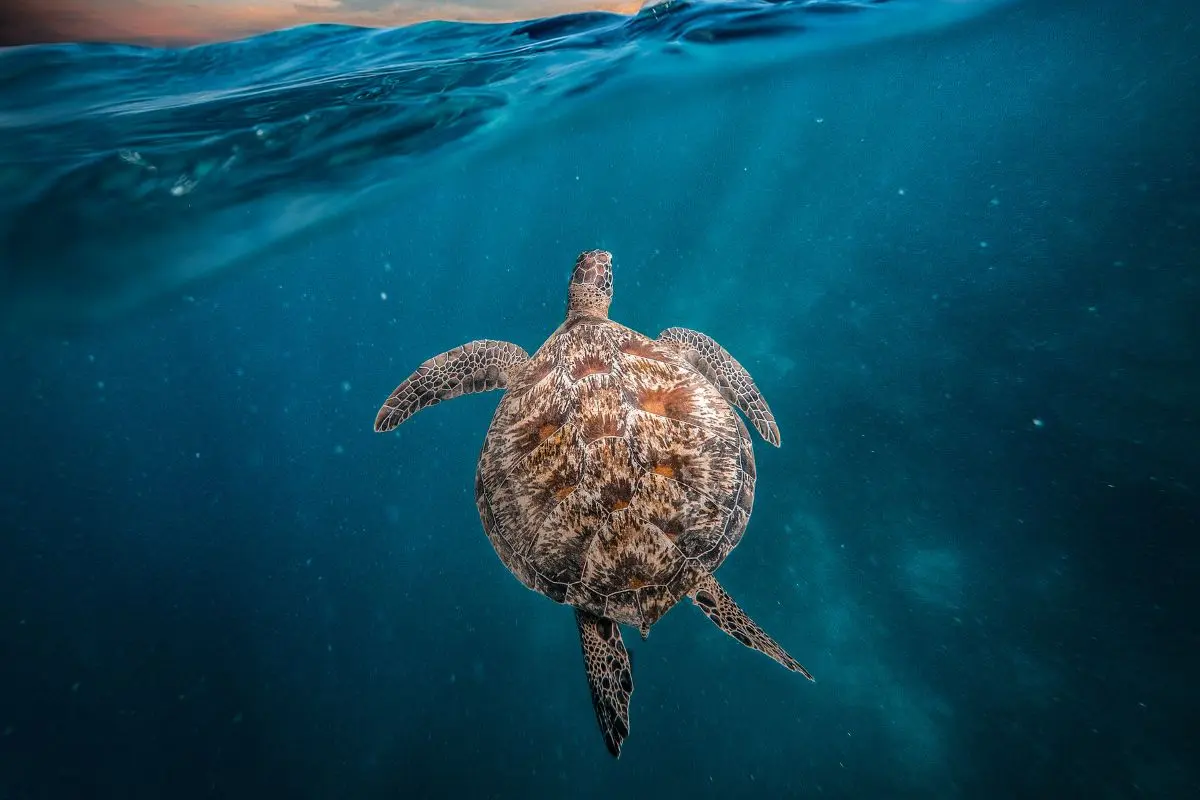
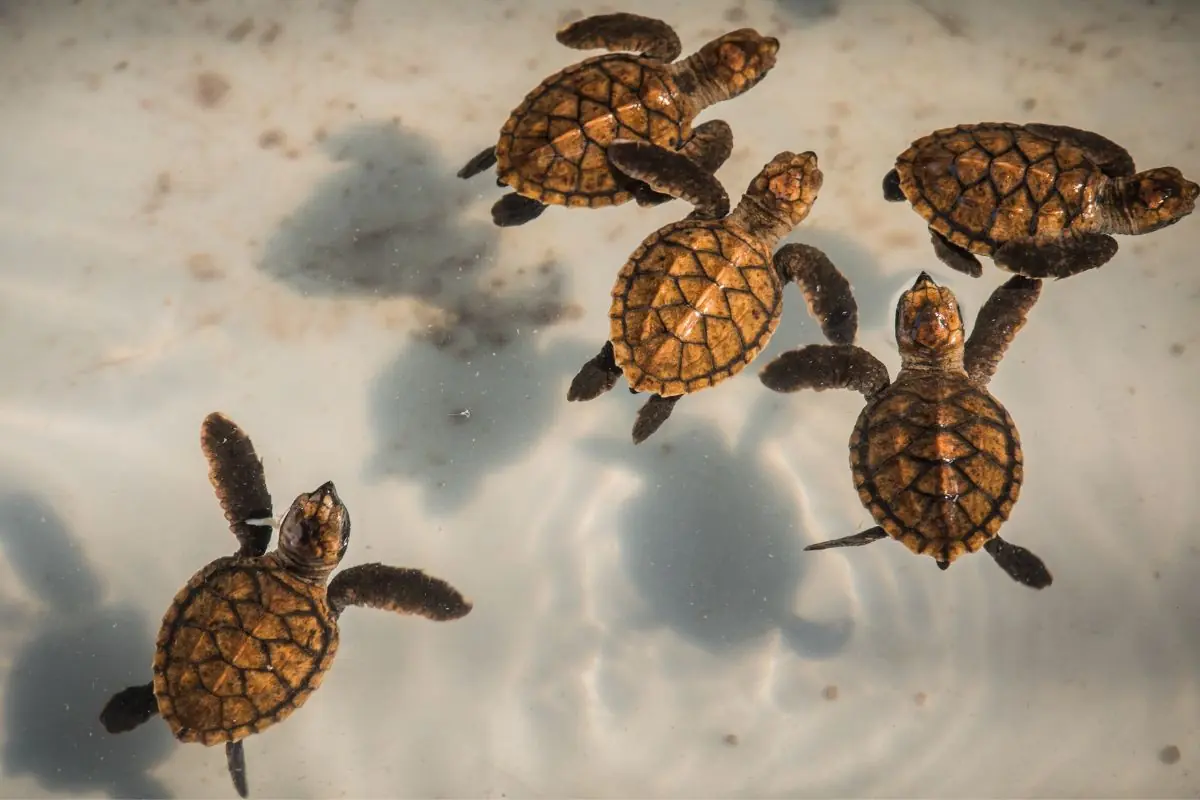
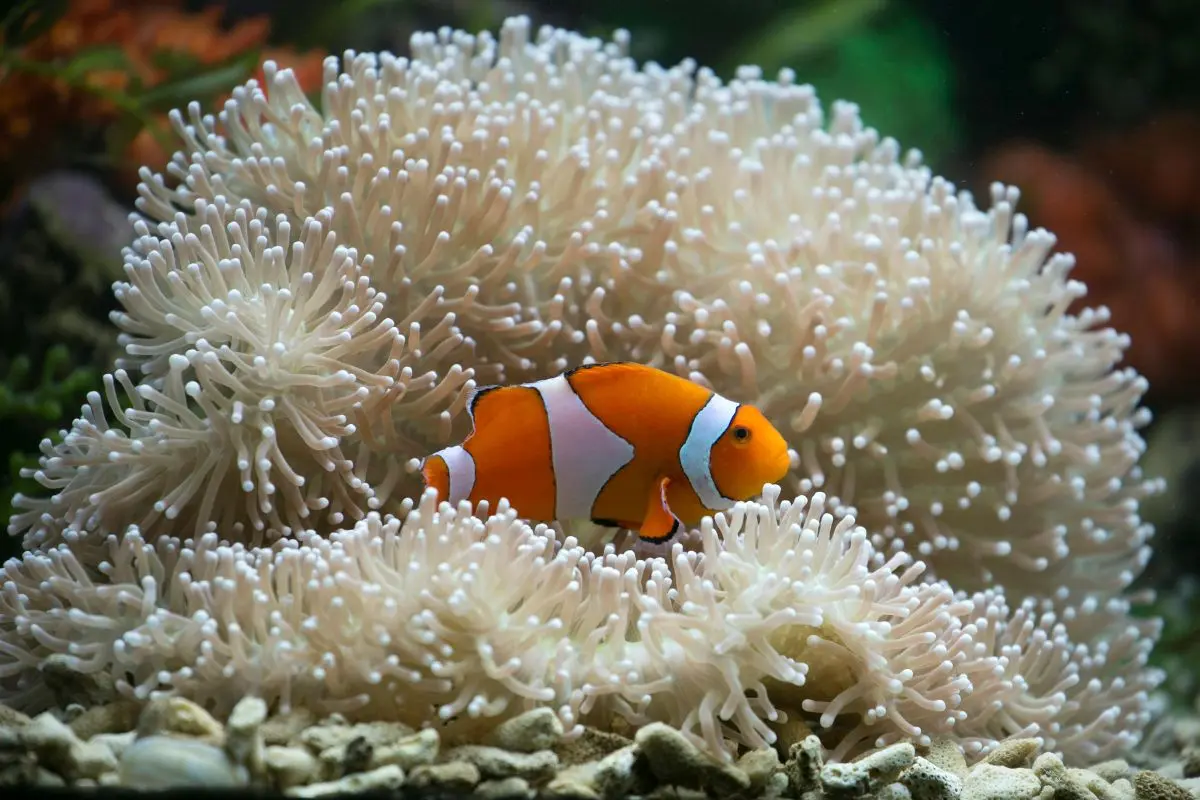
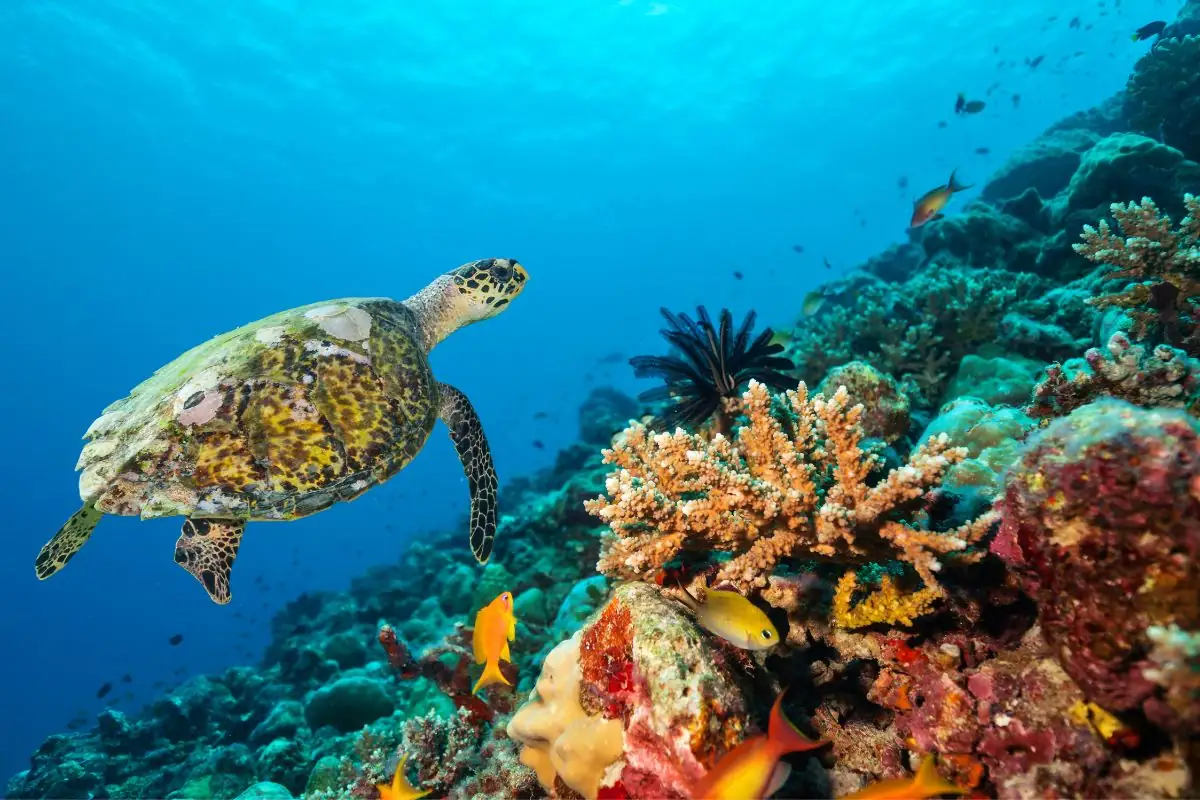
Green sea turtles and hawksbill sea turtles are a regular presence around all three islands and are frequently encountered during snorkelling sessions. The reefs also support reef sharks, octopus, moray eels, lionfish, nudibranchs, and a wide variety of reef fish including parrotfish, angelfish, and clownfish. For many students, the Gili Islands will represent their first experience of a healthy tropical reef, and the density and diversity of marine life here makes for a genuinely memorable introduction.
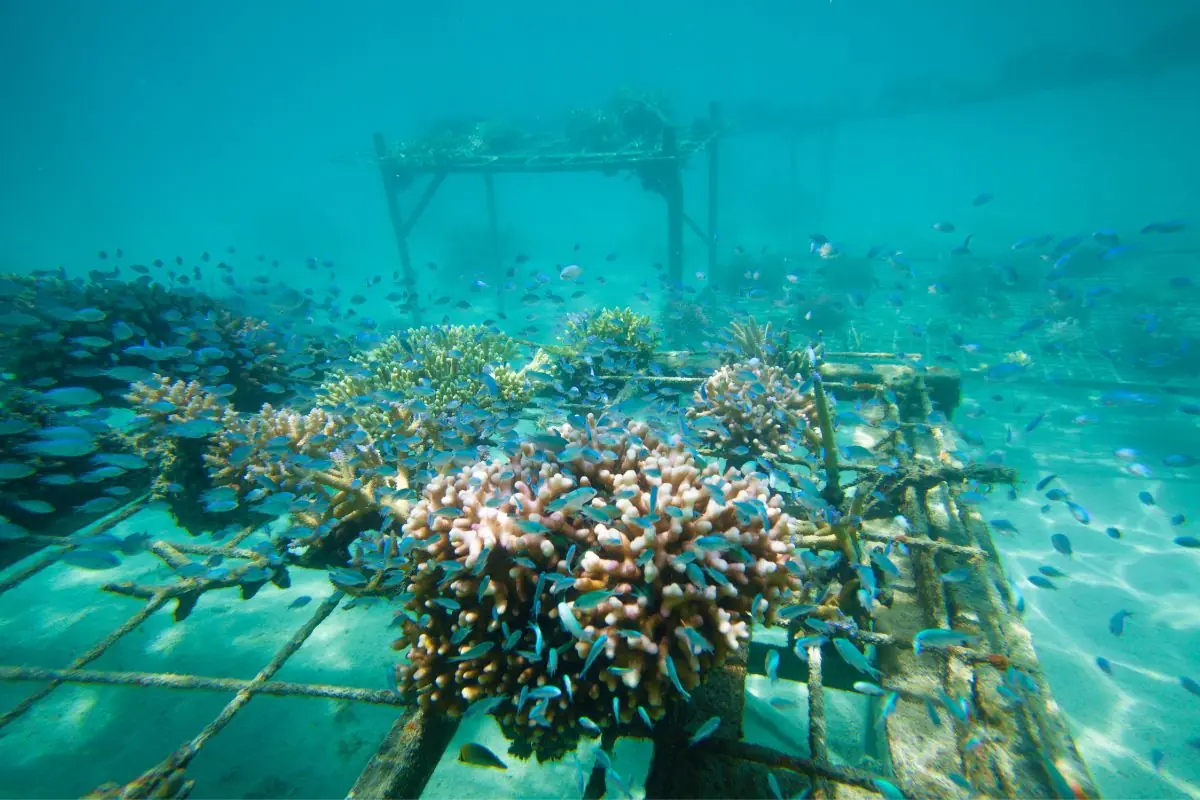
Coral regeneration is visible across the reef systems surrounding the islands. Artificial reef structures, including steel frames and concrete modules seeded with coral fragments, have been installed at a number of sites and are in various stages of active growth. Students visit these sites as part of the conservation program component of the expedition, observing the restoration work firsthand and learning about the science of coral propagation, the causes of reef degradation, and the long-term outlook for reef ecosystems under climate pressure. These visits are facilitated in partnership with local conservation organisations including Gili Eco Trust and Coral Catch.
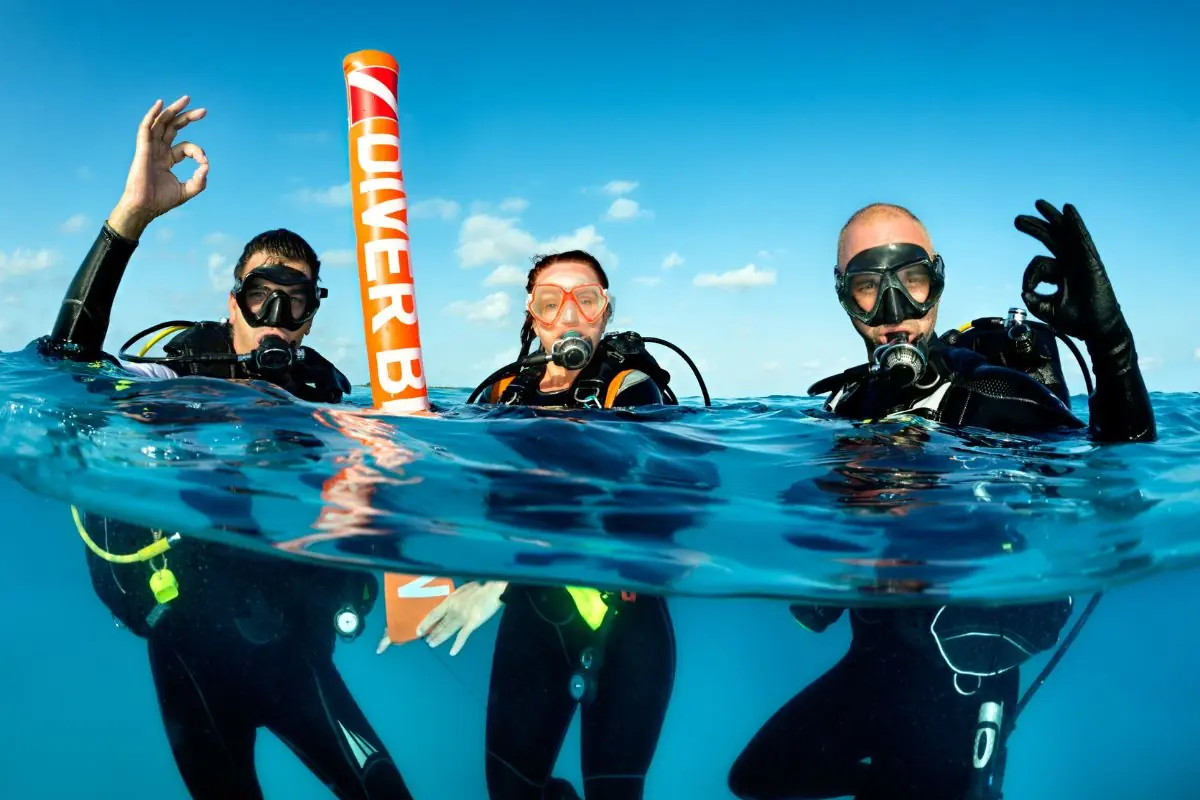
For groups with older or more experienced students, introductory diving experiences can be incorporated into the program through licensed local dive operators. An introductory dive gives students direct access to reef sections and coral regeneration sites that are beyond snorkelling depth, and provides a more complete picture of the underwater environment the conservation programs are working to protect.
Safety is a primary consideration for all in-water activities. Venture Beyond supplies its own boats for reef transfers where required, and all boat-based snorkelling sessions operate with a dedicated safety boat or speedboat on the water throughout. Student-to-supervisor ratios are maintained across all in-water activities, and students are fully briefed on water safety, current awareness, and behaviour around marine life before entering the water for the first time. All Venture Beyond staff accompanying school groups hold current first aid qualifications. In-water activities are planned around tidal and current conditions, and sessions are modified or relocated if conditions are not suitable on the day.
Snorkelling and Diving Gallery
Conservation and Coral Regeneration
Marine conservation is one of the defining stories of the Gili Islands. The reefs surrounding the islands have faced significant pressure over recent decades from coral bleaching, anchor damage, overfishing, and the impacts of rapid tourism growth. The response from the local community has been substantial, and the Gili Islands now host some of the most active and well-documented coral regeneration programs in Indonesia. For school groups, this makes the islands an exceptional real-world classroom for environmental science and sustainability.
The Gili Eco Trust is the central coordinating body for environmental programs across the three islands. Established by the local community, the Trust oversees reef monitoring, waste management, mooring buoy installation to prevent anchor damage, and coral restoration initiatives. Venture Beyond programs include structured visits with Gili Eco Trust that give students direct exposure to reef monitoring methodology, conservation data collection, and the broader challenges of managing a marine environment under tourism pressure.
Coral Catch runs a coral gardening program that trains and employs local women as coral gardeners, combining active reef restoration with community economic empowerment. Coral fragments are harvested, cultivated on underwater nursery structures, and transplanted onto degraded reef sections once they reach sufficient size. Students visit active nursery sites and transplantation areas as part of the program, observing the process at different stages and engaging directly with the coral gardeners about their work and its impact.
These are not passive visits. Students engage with working conservationists in the field, observe active restoration sites underwater, and leave with a concrete understanding of what reef regeneration actually involves at a practical level. For teachers building units around climate change, biodiversity, or sustainability, the Gili Islands conservation program provides primary source material that cannot be replicated in a classroom.
Venture Beyond coordinates all conservation program visits and works directly with Gili Eco Trust and Coral Catch to structure activities that are appropriate for school groups and aligned with the learning objectives provided by the school in advance of the trip.
Conservation Gallery
Frequently Asked Questions
What are the Gili Islands?
The Gili Islands are three small coral-fringed islands situated off the northwest coast of Lombok, Indonesia. Gili Trawangan, Gili Meno, and Gili Air together form a protected marine park and are among the most biodiverse reef environments in Southeast Asia. The islands are surrounded by warm, clear water and healthy coral reef systems, and are home to large populations of green sea turtles, hawksbill sea turtles, reef sharks, and hundreds of species of reef fish. No petrol-powered vehicles are permitted on any of the islands. Transport is by cidomo, the traditional horse-drawn cart, by bicycle, or on foot.
How do school groups get to the Gili Islands from Lombok Airport?
From Lombok International Airport, school groups travel by private vehicle to Bangsal Harbour on the northwest coast of Lombok, a journey of approximately 45 kilometres that takes around one and a half hours depending on traffic. From Bangsal, groups board a privately chartered fast boat for the crossing to the islands, which takes between 15 and 30 minutes depending on the destination island. All Venture Beyond boat charters carry lifejackets for every passenger. All transfers are arranged by Venture Beyond as part of the expedition package.
How far are the Gili Islands from Senaru?
For schools combining the Gili Islands with a Rinjani trek, the transfer from Senaru to Bangsal Harbour takes approximately one hour by private vehicle. This makes the transition between the mountain and the islands straightforward, with no long travel days between the two environments. Venture Beyond arranges all transfers between Senaru and the coast as part of the expedition schedule.
Where do school groups stay when visiting the Gili Islands?
For most Venture Beyond programs, students are accommodated on the Lombok mainland near Bangsal rather than on the islands themselves. Groups transfer across to the Gili Islands each morning by privately chartered boat for snorkelling, conservation visits, and other activities, returning to the mainland in the afternoon or evening. This arrangement keeps students in a more controlled environment overnight and avoids the supervision challenges associated with an overnight stay on Gili Trawangan in particular, which has a busy nightlife scene.
Schools that prefer to stay on the islands are also well catered for. Venture Beyond works with partner hotels on Gili Trawangan, Gili Meno, and Gili Air that have experience hosting school groups, and island-based accommodation can be arranged as part of the expedition package. Gili Meno and Gili Air are generally better suited to school groups requiring an island-based overnight stay.
What will students see when snorkelling at the Gili Islands?
The reef systems surrounding the Gili Islands support an exceptionally diverse range of marine life. Green sea turtles and hawksbill sea turtles are a regular presence around all three islands and are frequently encountered during snorkelling sessions. Students may also see reef sharks, octopus, moray eels, lionfish, nudibranchs, parrotfish, angelfish, and clownfish. Coral gardens begin in shallow water close to shore, meaning meaningful snorkelling experiences are accessible even for students with no prior open water experience.
Are there motorised vehicles on the Gili Islands?
Petrol-powered motorised vehicles are not permitted on the Gili Islands. Transport has traditionally been by cidomo, a horse-drawn cart used for luggage and longer journeys, or by pedal bicycle. In recent years electric bikes have become increasingly common on the islands, particularly on Gili Trawangan, and are available to hire. Walking remains the most practical way to get around on Gili Meno and Gili Air, where the entire island perimeter can be covered on foot in around an hour. Cycling the island perimeter is a popular activity for school groups.
Is it safe to swim and snorkel at the Gili Islands?
Swimming and snorkelling at the Gili Islands is generally safe, though there are currents between the islands that require awareness. Venture Beyond supplies its own boats for reef transfers where required, and all boat-based snorkelling sessions operate with a dedicated safety boat on the water throughout. Students are fully briefed on water safety, current awareness, and behaviour around marine life before entering the water for the first time. Student-to-supervisor ratios are maintained across all in-water activities, and all Venture Beyond staff hold current first aid qualifications. In-water sessions are planned around tidal and current conditions and are modified or relocated if conditions are not suitable on the day.
What conservation programs can students participate in on the Gili Islands?
Venture Beyond programs incorporate visits to two active conservation organisations operating on the Gili Islands. The Gili Eco Trust coordinates island-wide environmental programs including reef monitoring, waste management, and coral restoration. Coral Catch runs a coral gardening program that trains and employs local women as coral gardeners, combining reef restoration with community economic empowerment.
Students visit active coral nursery sites and transplantation areas, observe reef monitoring in action, and engage directly with local conservationists about their work. These are structured program visits coordinated by Venture Beyond in advance, not informal drop-ins. The activities provide primary source material for environmental science, geography, and sustainability curricula.
What curriculum connections does a Gili Islands visit support?
A Gili Islands visit provides strong real-world connections across a number of curriculum areas. In science, students encounter marine ecosystems, coral reef biology, the impacts of climate change and ocean warming on reef environments, and active conservation responses including coral propagation and reef restoration. In geography, the islands offer case studies in sustainable tourism, island geography, coastal management, and the relationship between local communities and natural resource systems. In humanities and social sciences, students engage with Indonesian culture, the economics of island communities, and community-led responses to environmental degradation.
Venture Beyond can tailor the program structure and guided activities to align with specific learning objectives provided by the school in advance of the trip.
Can the Gili Islands be combined with a Mount Rinjani trek in the same expedition?
Yes. Most Venture Beyond school expeditions that include the Gili Islands combine them with a trek on Mount Rinjani, creating a program that moves from the highland environment of the mountain to the marine environment of the reef. A typical combined program involves two or three days trekking on Rinjani, followed by a transfer to the coast and a boat crossing to the Gili Islands for snorkelling, diving, and conservation activities.
The contrast between the two environments provides rich material for cross-disciplinary reflection and makes for a more complete expedition experience. Schools whose primary focus is cultural immersion and community engagement rather than trekking can also arrange a dedicated Cultural and Service Expedition centred on the Gili Islands, without a mountain component. Contact the Venture Beyond team to discuss itinerary options.
Start Planning Your Expedition
Ready to take the next step? Complete the form below and a member of the Venture Beyond team will be in touch within 24 hours.