


Lombok Island
A schools guide to Lombok, Indonesia. Geography, culture, logistics and everything your school needs to know before planning an expedition.
Enquire NowThis guide is written for teachers and school administrators researching Lombok as a destination for a school expedition. It covers the key questions schools ask before committing to Lombok — what the island is like, whether it is appropriate for student groups, what the cultural context is, how to get there, and what medical and health considerations apply. If you are a Head of Outdoor Education, a Deputy Principal, or a teacher leading the expedition planning process, this page gives you the factual grounding you need to assess Lombok confidently and present it to your school community.
Lombok Island
Lombok is an island in the province of West Nusa Tenggara, Indonesia, located immediately east of Bali across the Lombok Strait. With a land area of approximately 4,725 square kilometres and a population of around 3.7 million people, Lombok is home to the indigenous Sasak people, whose culture, language, and Islamic faith define the character of the island.
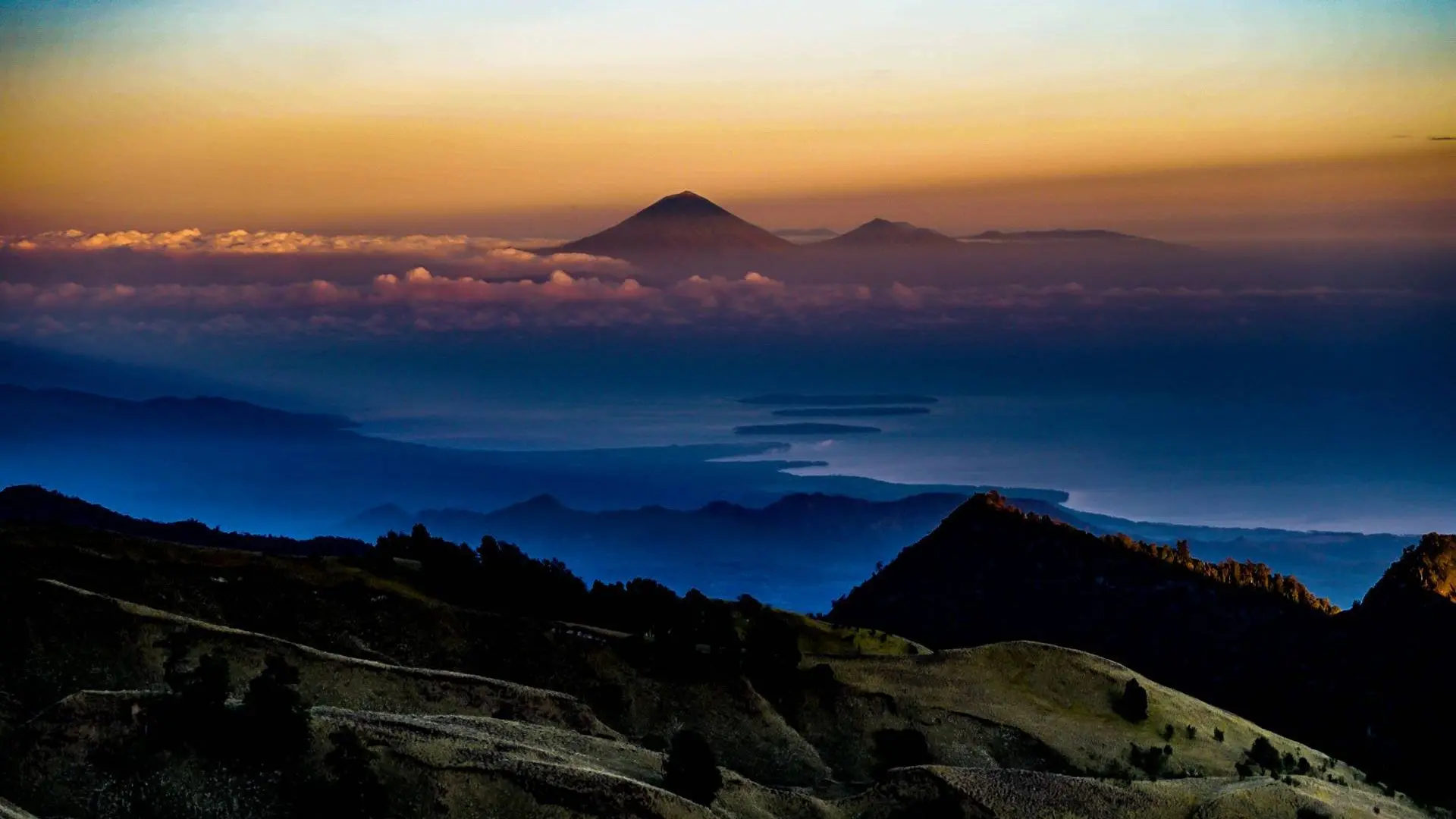
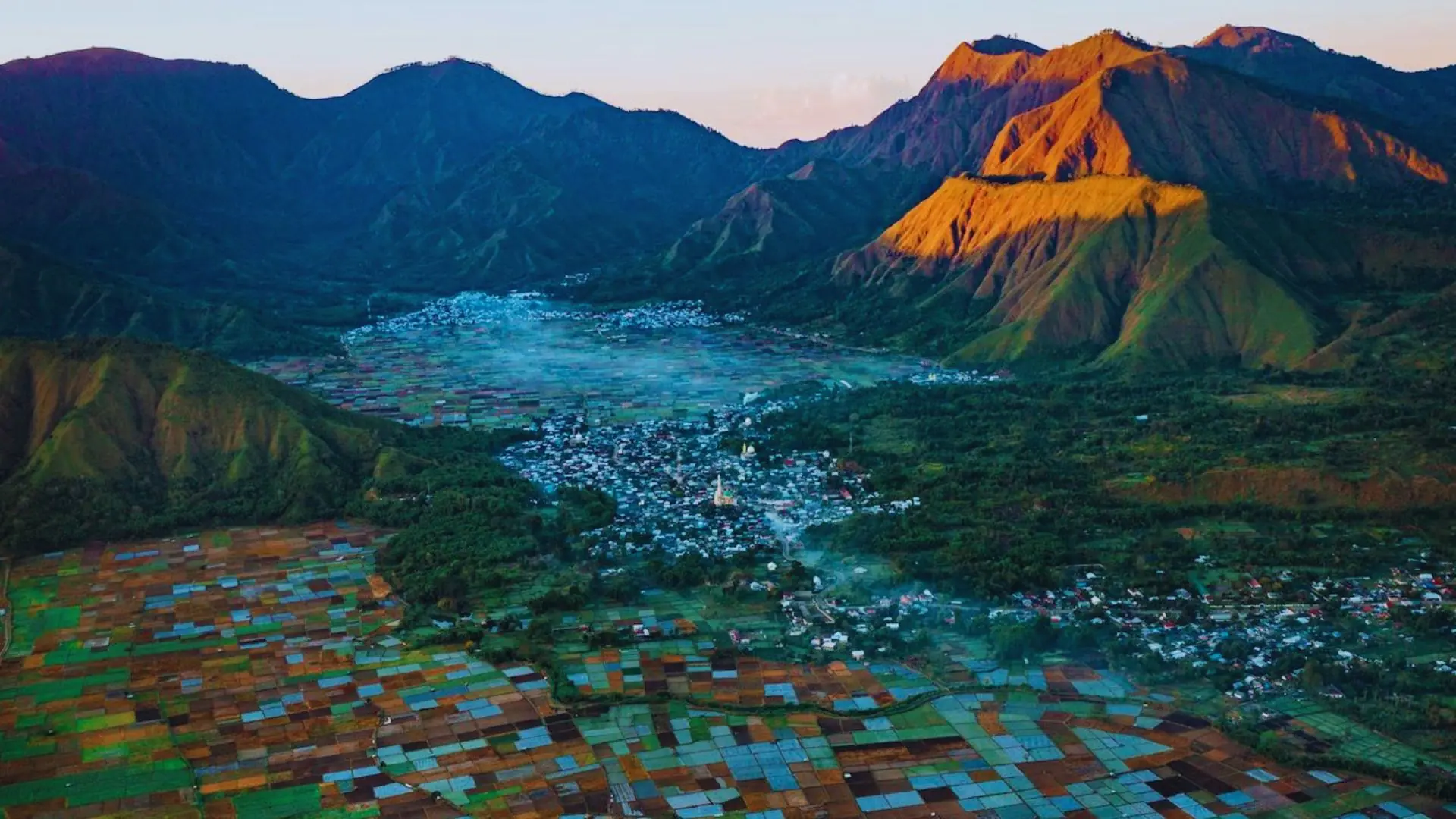
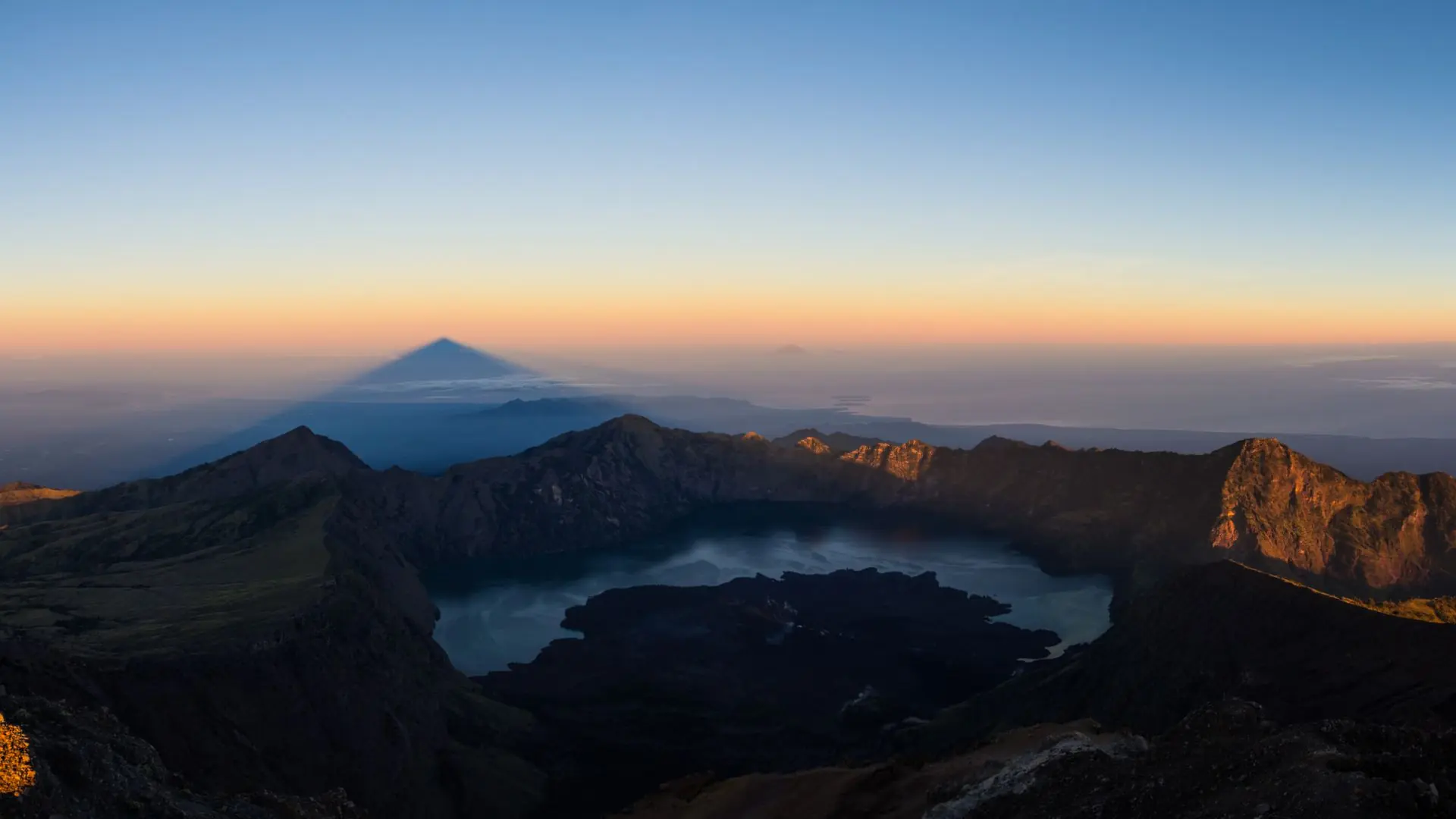
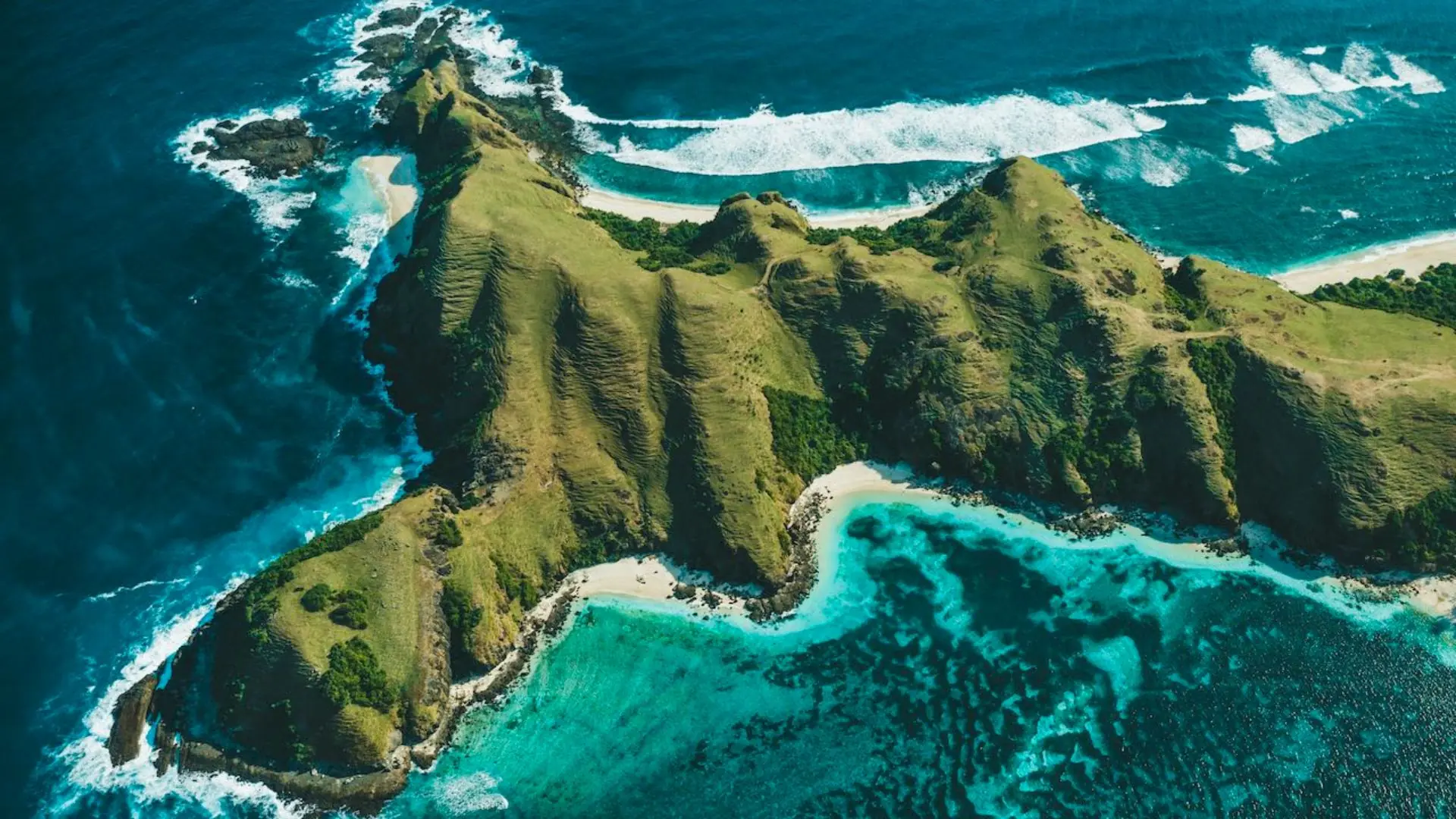
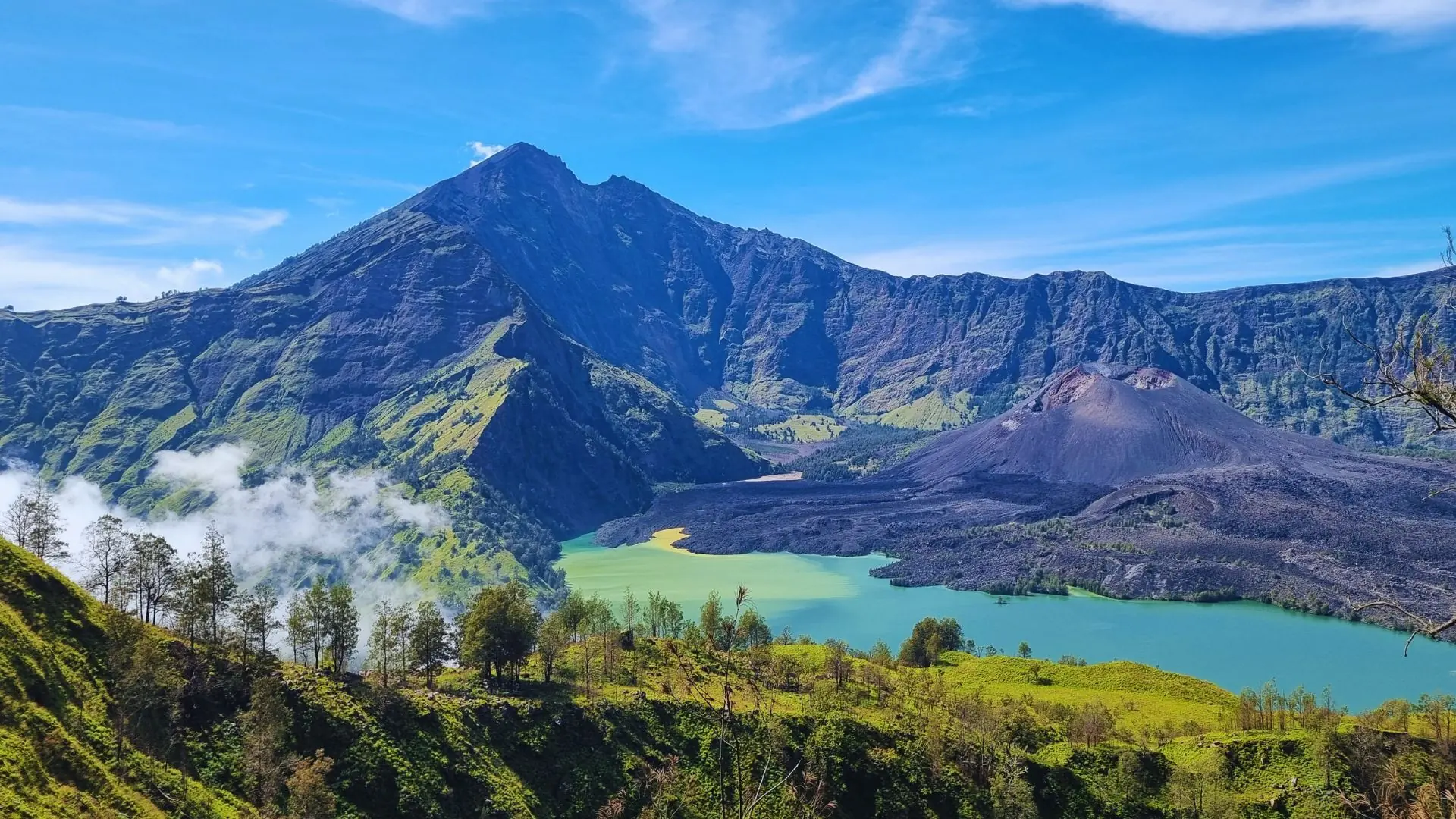
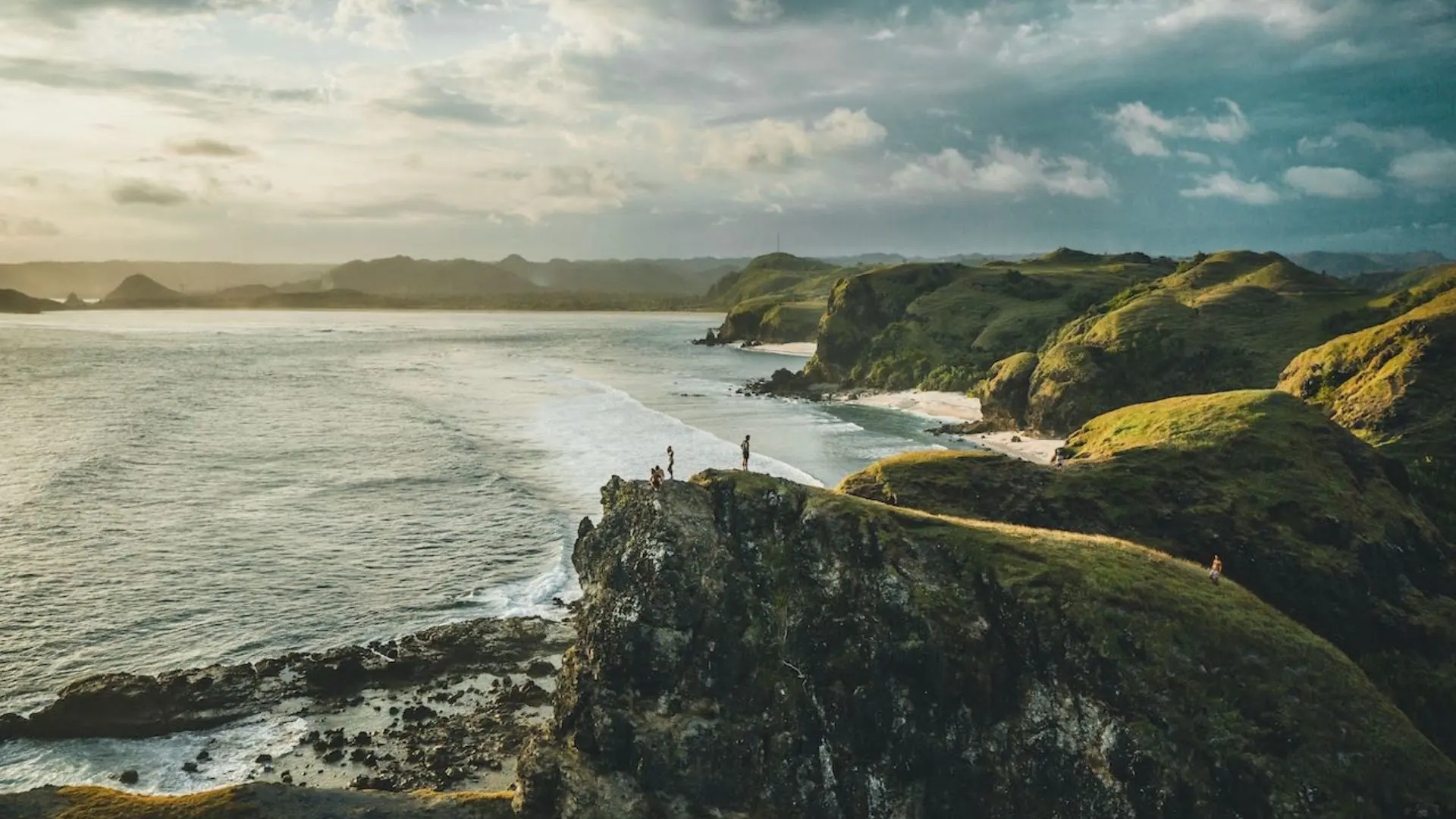
The island is dominated by Mount Rinjani, Indonesia’s second highest volcano at 3,726 metres, which rises from the northern interior and draws trekkers, mountaineers, and school expeditions from across the region. Beyond Rinjani, Lombok offers pristine beaches, the Gili Islands to the northwest, traditional Sasak villages, and a pace of life that is markedly different from the heavily touristed neighbouring island of Bali.
For school groups, Lombok represents one of the most complete expedition destinations in Southeast Asia, combining a genuine high-altitude trekking challenge with meaningful cultural immersion in an environment that remains largely authentic and unhurried.
Lombok at a Glance
- Location
- West Nusa Tenggara, Indonesia
- Area
- 4,725 km²
- Population
- Approx. 3.7 million
- Capital
- Mataram
- Language
- Bahasa Indonesia, Sasak
- Religion
- Predominantly Muslim (Sasak)
- Currency
- Indonesian Rupiah (IDR)
- Time Zone
- WITA (UTC+8)
- Airport
- Lombok International Airport (LOP)
- Highest Point
- Mount Rinjani, 3,726m
- Best Time to Visit
- April to November (dry season)
- Recommended Hospital
- Siloam Hospitals Mataram
Why Schools Choose Lombok
Lombok is one of the few destinations in Southeast Asia where a school group can complete a genuine high-altitude expedition without the logistical complexity of more remote mountain environments. Mount Rinjani sits within a well-managed national park, the trekking infrastructure is established and permit-regulated, and the gateway villages of Senaru and Sembalun are experienced in hosting expedition groups.
The expedition options are tiered to suit different levels of experience and ambition. The Sembalun Highlands program offers an accessible introduction to multi-day trekking in a high-altitude environment. The Rinjani Crater Rim Expedition takes students to 2,659 metres with views directly into the caldera and across Segara Anak crater lake. The Mount Rinjani Summit Expedition reaches the full summit at 3,726 metres and represents one of the most demanding school expedition programs available in the region.
Beyond the mountain, Lombok offers a genuine cultural dimension that is difficult to replicate elsewhere. Students engage with Sasak village communities, observe Islamic customs and daily life, and experience an Indonesia that has not been reshaped by mass tourism. This combination of physical challenge and cultural immersion is what makes Lombok particularly well suited to school outdoor education and global citizenship programs.
Venture Beyond Expeditions operates exclusively on Lombok. Our on-ground partner, Rinjani Dawn Adventures, was established twelve years ago by our founder and manages all guiding, logistics, and emergency coordination on the island. Schools are not working with a third-party booking agent. They are working directly with the people who run operations on the ground every day.
Getting Around Lombok
For school groups, movement around Lombok is straightforward and fully managed by Venture Beyond Expeditions. All transfers between the airport, accommodation, trailheads, and any additional activities are included in the program and handled by our ground team. Schools do not need to arrange any independent transport.
Lombok International Airport (LOP) is located in the south of the island, approximately 60 kilometres from Senaru, the northern gateway village for Mount Rinjani. The transfer takes around 90 minutes by private vehicle. Our team meets all school groups on arrival and manages the transfer directly to accommodation.
Private chartered vehicles are used for all school group transfers. Public transport is not used at any point during the program. Vehicle type is matched to group size and all drivers are known to our team and used regularly.
For schools adding a Gili Islands component to their expedition, the transfer from Senggigi or Bangsal harbour to the Gilis is by public or chartered boat, a crossing of approximately 20 to 45 minutes depending on the departure point and island of destination. All boat transfers are arranged and supervised by our team.
Getting around Lombok independently is also straightforward for any accompanying staff who wish to explore during free time. Ride-hailing apps including Grab and Gojek operate across the main towns and are reliable and affordable. Taxis are available at the airport and in Mataram and Senggigi. In rural areas and trailhead villages, transport is arranged through local contacts rather than apps.
Culture and Customs
Lombok is predominantly Muslim, with around 85 percent of the population identifying as Sasak Muslim. The Sasak people are the indigenous inhabitants of Lombok and their culture, language, and religious practice shape the character of the island in ways that are immediately visible to visiting school groups. This cultural distinctiveness is one of the reasons Lombok works so well as a school expedition destination.
For students arriving from Singapore, Australia, or Hong Kong, Lombok offers a genuine encounter with a non-Western, non-touristed way of life. The call to prayer is heard five times daily. Villages are organised around the mosque. Dress is modest and hospitality is generous. Students who approach this environment with curiosity and respect consistently find it one of the most formative aspects of the expedition.
Practical Considerations for Schools
Dress standards. Modest dress is expected when visiting villages and public areas. For students this means covered shoulders and knees. On the mountain, standard trekking clothing is appropriate. Venture Beyond provides a full pre-departure briefing covering dress expectations for each part of the program.
Prayer times. The Islamic call to prayer occurs five times daily and is an audible part of life across Lombok. Schools should brief students in advance so that this is understood as a normal and respected part of local culture rather than an unexpected disruption.
Food and diet. Lombok is a halal food environment. Pork is not available. All meals provided by Venture Beyond on and off the mountain are halal. Vegetarian, vegan, and allergy-specific diets are fully accommodated with advance notice.
Sasak village visits. Many Venture Beyond programs include time in traditional Sasak villages. Students are briefed on appropriate behaviour before each visit. Local community members are accustomed to respectful school groups and interactions are invariably warm and memorable.
Venture Beyond Expeditions incorporates a formal cultural briefing into all pre-expedition preparation, covering the above considerations in detail. This briefing is available as a standalone session for students and staff prior to departure and can be delivered remotely.
Lombok Island

Frequently Asked Questions
Is Lombok safe for school groups?
Lombok is a safe and welcoming destination for school groups. The island has a well-established trekking industry, a low crime rate, and a local population with a strong tradition of hospitality. Our partner guiding company, Rinjani Dawn Adventures, was established on Lombok twelve years ago by the founder of Venture Beyond Expeditions and has extensive experience operating on Mount Rinjani and the surrounding area, including with school groups. As with any international school trip, appropriate risk management protocols, experienced local guides, and a clear emergency response plan are essential, all of which are built into every Venture Beyond expedition.
What medical services and hospitals are available in Lombok?
For school groups, the recommended hospital in the event of a medical emergency is Siloam Hospitals Mataram. Opened in 2020, Siloam Hospitals Mataram is a modern facility meeting international healthcare standards, offering advanced diagnostic tools and specialist services including neurology, cardiology, orthopedics, surgery, and intensive care. The hospital operates 24/7 emergency services, supports telemedicine, and is experienced in treating international patients. It is located in Mataram, the island’s capital, approximately 90 minutes from the Senaru trailhead.
For serious medical emergencies requiring specialist care beyond what is available on Lombok, evacuation to Bali is approximately 30 minutes by air and is the standard contingency protocol. Most schools travel with emergency response plans prepared by specialist third-party providers such as International SOS. Venture Beyond Expeditions works closely with these plans and is experienced in executing emergency protocols on the ground in the unlikely event they are needed. Venture Beyond carries a comprehensive first aid kit on all expeditions and our guides are trained in first aid. All school groups are required to have appropriate travel and medical evacuation insurance before departure.
Is there a risk of malaria or dengue fever in Lombok?
The malaria risk in Lombok is considered low. The Australian Department of Foreign Affairs and Trade (DFAT) and the UK’s NHS classify Lombok as a low-risk malaria area, and most travel medicine specialists do not recommend antimalarial medication for short-stay visitors. However, schools should seek advice from a travel medicine clinic before departure as recommendations can change.
Dengue fever is present in Lombok, as it is across much of Southeast Asia. It is transmitted by daytime-biting mosquitoes and cannot be prevented by medication. The most effective precaution is mosquito bite prevention, including long sleeves, DEET-based repellent, and covered accommodation. Venture Beyond Expeditions incorporates mosquito bite prevention protocols into all pre-expedition briefings.
What is the best time of year to visit Lombok with a school group?
The best time to visit Lombok for a school expedition is during the dry season, which runs from approximately April to November. During this period the trekking routes on Mount Rinjani are open, rainfall is minimal, and summit conditions are at their most predictable. June, July, and August are the driest months but also the busiest on the mountain. April, May, September, and October offer excellent conditions with fewer trekkers.
The park closes on 1 January each year and reopens on 1 April. Schools planning expeditions should plan their dates accordingly and avoid the January to March closure period. Confirm route conditions and park status with Venture Beyond at the time of booking.
Are there direct flights to Lombok from Singapore, Australia and Hong Kong?
Lombok International Airport (LOP) is served by a growing number of regional routes. From Singapore, Scoot operates direct flights to Lombok, making it one of the most convenient departure points for schools in the region.
From Australia, there are currently no direct flights to Lombok. The most common routing is via Bali (Ngurah Rai International Airport), with a short onward flight or ferry crossing to Lombok. From Hong Kong, there are no direct flights to Lombok. Connections are typically made via Kuala Lumpur, Singapore, or Bali. Flight schedules change regularly and schools should confirm current routes and availability with their travel agent at the time of booking.
What language is spoken in Lombok?
The official language of Indonesia is Bahasa Indonesia, which is spoken and understood across Lombok. The local Sasak people also speak Sasak, a distinct regional language with several dialects. In areas frequented by trekking groups, particularly Senaru and Sembalun, English is spoken by guides, guesthouse owners, and many locals.
Students do not need any language preparation to participate in the expedition, though learning a few basic Bahasa Indonesia phrases is always appreciated by local communities and adds to the cultural experience.
What religion is practised in Lombok and how does it affect the trip?
Lombok is predominantly Muslim, with around 85 percent of the population identifying as Sasak Muslim. This gives Lombok a distinct cultural character compared to Hindu-majority Bali. For school groups, the main practical considerations are modest dress when visiting villages and local areas, and respect for prayer times.
Venture Beyond Expeditions incorporates a cultural briefing into all pre-expedition preparation, covering appropriate behaviour, dress standards, and how to engage respectfully with local communities. Students consistently find the cultural dimension of Lombok one of the most memorable aspects of the expedition.
What currency is used in Lombok and how do students manage money?
The currency of Indonesia is the Indonesian Rupiah (IDR). As of June 2026, approximate exchange rates are 17,950 IDR to 1 USD, 13,933 IDR to 1 SGD, and 12,592 IDR to 1 AUD, though rates fluctuate and schools should check current rates before departure.
All Venture Beyond expeditions are fully inclusive, covering all meals, drinks, accommodation, and activities, so students require very little personal spending money. A small amount of IDR cash for personal snacks and souvenirs is all that is typically needed. The amount is entirely at the discretion of the school and parents. ATMs are available in Mataram and Senggigi but are limited in the Senaru and Sembalun areas, so any personal spending money should be organised as IDR cash before heading into the trekking regions.
How different is Lombok from Bali?
Lombok and Bali are separated by just 35 kilometres of water but are distinctly different in character. Bali is Hindu, heavily touristed, and internationally developed. Lombok is predominantly Muslim, significantly less visited, and retains a more authentic Indonesian character outside its small resort areas.
For school expeditions this difference is significant. Lombok offers a genuine cultural immersion that is harder to find in Bali. The trekking infrastructure on Mount Rinjani is well-developed but not commercialised in the way that some other Southeast Asian destinations have become. Students experience Indonesia as it actually is, rather than a tourism-polished version of it.
What vaccinations are recommended for students travelling to Lombok?
Schools should consult a travel medicine clinic or GP at least six to eight weeks before departure to get personalised vaccination advice. Vaccinations commonly recommended for travel to Indonesia include Hepatitis A, Hepatitis B, Typhoid, and Tetanus. Rabies vaccination may be recommended for students who will be spending time in rural or outdoor settings. Routine vaccinations including MMR and seasonal influenza should also be up to date.
Start Planning Your Expedition
Ready to take the next step? Complete the form below and a member of the Venture Beyond team will be in touch within 24 hours.