


Climbing Mount Rinjani
A schools guide to climbing Mount Rinjani. Seven expedition options, route comparisons, difficulty ratings, campsite information and everything your school needs to know.
Enquire NowThis guide is written for teachers and school administrators planning a school expedition to Mount Rinjani, Lombok. It covers all seven expedition options available to school groups — from the accessible Crater Rim program to the full summit at 3,726 metres — with route comparisons, difficulty ratings, campsite details, gear requirements, toilet facilities, and altitude safety information. If you are a Head of Outdoor Education or expedition coordinator trying to determine which Rinjani program is right for your students, this page gives you everything you need to make that decision with confidence.
Climbing Mount Rinjani
Mount Rinjani is an active stratovolcano and Indonesia’s second highest peak at 3,726 metres, rising from the north of Lombok Island within the protected boundaries of Mount Rinjani National Park. For school groups, it is one of the most complete expedition environments in Southeast Asia — a genuine high-altitude wilderness challenge set within a landscape of extraordinary geological, ecological, and cultural significance.
Venture Beyond Expeditions offers eight expedition options on Rinjani, ranging from a 2 day / 1 night introduction to the Crater Rim at 2,659 metres to a full 5 day / 4 night mountain crossing reaching the summit at 3,726 metres. Each program is designed specifically for school groups, with licensed local guides, full porter support, and risk management protocols built around the needs of student expeditions.
The two main approaches to the mountain start from opposite sides. Senaru on the northern slope provides a more gradual ascent through montane forest with access to Segara Anak crater lake and the hot springs. Sembalun on the eastern slope offers a more direct route to the summit via open savanna terrain. Most Venture Beyond school programs that include the summit start in Senaru and finish in Sembalun, completing a full mountain crossing.
Climbing Rinjani at a Glance
- Summit Height
- 3,726m
- Crater Rim
- 2,659m
- Second Summit
- 2,919m
- Programs Available
- 7 expedition options
- Duration Range
- 2 days to 5 days
- Start Points
- Senaru (594m) or Sembalun (1,063m)
- Minimum Age
- 14 years (Crater Rim), 15-16 years (Summit)
- Permit Required
- Yes - arranged by Venture Beyond
- Park Open
- 1 April to 1 January
- Best Season
- April to November
- Porters
- Included - all group equipment carried
- Guide to Student Ratio
- 1 guide per 4 students
Choosing Your Route
Venture Beyond offers eight expedition options on Mount Rinjani, ranging from an accessible crater rim program to a full five-day mountain crossing with a summit at 3,726 metres. The table below summarises all eight options to help you identify the right program for your school. Detailed route information, maps, and elevation profiles for each option follow beneath the table.
If you are unsure which program is right for your group, contact us — we will ask the right questions and give you an honest recommendation based on your students’ age, fitness, and experience level.
| Option | Start | Finish | Days | Nights | Max Elevation | Summit Start | Difficulty | Best For |
|---|---|---|---|---|---|---|---|---|
| 2D/1N Sembalun Loop | Sembalun | Sembalun | 2 | 1 | 3,726m | 2am | Very Hard | Small, capable groups only |
| 3D/2N Sembalun Loop | Sembalun | Sembalun | 3 | 2 | 3,726m | 6am | Moderate-Hard | Recommended for most school groups |
| 3D/2N Senaru to Sembalun | Senaru | Sembalun | 3 | 2 | 3,726m | 2am | Very Hard | Advanced groups only |
| 4D/3N Senaru to Sembalun | Senaru | Sembalun | 4 | 3 | 3,726m | 6am | Hard | Recommended for most school groups |
| 5D/4N Senaru to Sembalun | Senaru | Sembalun | 5 | 4 | 3,726m | 6am | Moderate-Hard | Recommended Rinjani package for schools |
| Crater Rim | Senaru | Senaru | 2 | 1 | 2,659m | N/A | Moderate | First-time expeditioners ready for a real challenge |
| Second Summit — 2D/1N | Senaru | Senaru | 2 | 1 | 2,919m | N/A | Moderate-Hard | Schools looking for an alternative to the main summit route |
| Second Summit — 3D/2N | Senaru | Senaru | 3 | 2 | 2,919m | N/A | Moderate-Hard | Schools looking for an alternative to the main summit route |
Route Maps and Profiles
Select a route below to view the map, elevation profile, distance statistics, and full trek summary.

Day 1 Distance: 9.3 km
Day 2 Distance: 16.5 km
Total Distance: 25.8 km
Max Elevation: 3,726m (Rinjani Summit)
Start Elevation: 1,063m (Sembalun)
Elevation Gain: +3,145m
Elevation Loss: -3,145m
Start: Sembalun Village
Finish: Sembalun Village
Trek Summary
Of all the routes on Rinjani, the Sembalun Loop is the most direct. The route starts and finishes in Sembalun Village, gains more than 2,600 metres of elevation, and returns to the trailhead without crossing to the other side of the mountain. It covers significant ground efficiently — which is precisely what makes it demanding.
The 2 Day / 1 Night version is not a program we recommend for most school groups. On Day 2, students leave camp at 2.30am, climb steep volcanic scree in darkness for several hours, reach the summit ridge before sunrise, and then descend on loose terrain all the way back to Sembalun Village. The total moving time across both days approaches 16 hours. There is no margin for a slow student, a bad night’s sleep, or an off day.
This program is available exclusively to small groups where fitness and mental resilience have already been demonstrated. It is not an appropriate introduction to Rinjani and is not suited to groups of mixed capability. Our honest advice: if you are asking whether your students are ready for this route, they are probably not.
The 3 Day / 2 Night Sembalun Loop is a more manageable alternative. The extra day adds a rest at crater rim camp and shifts the summit to a daytime ascent starting at 6am — no darkness, no time pressure, and a genuine opportunity for students to take in what they are doing. It is a significantly better experience for school groups and is suitable for most students with a solid fitness base.
Neither the 2 Day nor 3 Day Sembalun Loop includes a visit to Segara Anak crater lake or the hot springs. For schools wanting those experiences — and for most schools, we think they are worth having — the Senaru-based programs are the better choice.

Day 1 Distance: 9.3 km
Day 2 Distance: 7.2 km
Day 3 Distance: 9.3 km
Total Distance: 25.8 km
Max Elevation: 3,726m (Rinjani Summit)
Start Elevation: 1,063m (Sembalun)
Elevation Gain: +3,145m
Elevation Loss: -3,118m
Start: Sembalun Village
Finish: Sembalun Village
Trek Summary
The 3 Day / 2 Night Sembalun Loop covers the same terrain as the 2-day version, but the itinerary is structured around one deliberate change: the summit is attempted in daylight. Students reach Crater Rim Camp on Day 1, rest overnight, push to the summit and return on Day 2, then descend to Sembalun Village on Day 3.
The practical effect of that one change is significant. There is no 2.30am departure, no navigating volcanic scree by headlamp, and no compressing the entire ascent and descent into a single punishing push. Students move at a considered pace, in daylight, with the summit and crater views fully visible ahead of them. It is a harder experience to endure than to describe — the elevation gain is real and the terrain does not forgive poor preparation — but the removal of the night ascent meaningfully reduces both physical and operational risk.
For schools committed to the Sembalun approach, this is the version we recommend. It asks a great deal of students but gives them a genuine chance to meet that demand rather than simply outlast it.
One thing to note: like the 2-day version, this route does not visit Segara Anak crater lake or the hot springs. For schools where those experiences are part of the brief, the 4 Day / 3 Night or 5 Day / 4 Night Senaru programs are worth considering instead.

Day 1 Distance: 9.8 km
Day 2 Distance: 7.3 km
Day 3 Distance: 16.5 km
Total Distance: 33.6 km
Max Elevation: 3,726m (Rinjani Summit)
Start Elevation: 594m (Senaru)
Elevation Gain: +4,628m
Elevation Loss: -4,147m
Start: Senaru Village
Finish: Sembalun Village
Trek Summary
The 3 Day / 2 Night Senaru to Sembalun crossing is the classic Rinjani traverse — a point-to-point route that travels from the northern trailhead at Senaru all the way through the volcanic interior to Sembalun on the eastern side. No section of the route repeats, no day is straightforward, and the mountain asks something different of students on each of the three days.
Day 1 climbs from Senaru Village at 594 metres to the Senaru Crater Rim at 2,609 metres — a sustained ascent through montane forest that establishes the physical standard for everything that follows. Day 2 descends into the caldera, passing Segara Anak crater lake and the hot springs, before a long afternoon climb to Sembalun Crater Rim Camp at 2,659 metres. Day 3 opens with the summit push to 3,726 metres and closes with a full descent to Sembalun Village — a day that demands students summit and then keep moving on legs that have already covered two of the hardest days Rinjani offers.
The total elevation gain across the three days exceeds 4,600 metres. This is not appropriate for mixed-ability groups or students without a demonstrated base of trekking fitness. Groups should be small, self-aware, and fully briefed on what the route involves before they commit to it.
Where this route excels is in its completeness. The point-to-point format, the crater lake descent, and the full summit make it the most demanding single Rinjani experience available — well suited to Duke of Edinburgh Gold programs and advanced school expeditions where a genuine multi-day wilderness crossing is the objective. If you are considering this route, contact us to discuss whether your group is ready.

Day 1 Distance: 9.8 km
Day 2 Distance: 7.3 km
Day 3 Distance: 7.2 km
Day 4 Distance: 9.3 km
Total Distance: 33.5 km
Max Elevation: 3,726m (Rinjani Summit)
Start Elevation: 594m (Senaru)
Elevation Gain: +4,628m
Elevation Loss: -4,120m
Start: Senaru Village
Finish: Sembalun Village
Trek Summary
The 4 Day / 3 Night Senaru to Sembalun program is our recommended program for most school groups seeking the complete Rinjani experience. It covers the full mountain crossing, includes a visit to Segara Anak crater lake and the hot springs, and is built around a daytime summit — giving students the best possible conditions for one of the most demanding days they will have on a school expedition.
Day 1 climbs from Senaru Village at 594 metres through montane forest to the Senaru Crater Rim at 2,609 metres. Day 2 descends into the caldera, passing the crater lake and hot springs before a steady afternoon climb to Sembalun Crater Rim Camp at 2,659 metres. Day 3 is the summit day — students leave camp in daylight, ascend to 3,726 metres, and return to camp before descending to Sembalun Village on Day 4.
The daytime summit is not incidental — it is a deliberate design decision. No 2.30am departure. No navigating steep volcanic scree by headlamp. No compressing the ascent, summit, and descent into a single exhausting push. Students move in full visibility, at a considered pace, with the summit and crater clearly visible ahead of them. The route is genuinely demanding, but it is demanding in a way that students can meet with appropriate preparation rather than simply endure.
This program suits school groups with a solid base of hiking fitness and appropriate supervision ratios. It is not an introductory program — students should arrive having completed a structured fitness preparation block. For schools who want additional time at the crater lake and a more gradual build to the summit day, the 5 Day / 4 Night program adds that space without changing the fundamental character of the experience.

Day 1 Distance: 9.8 km
Day 2 Distance: 3.6 km
Day 3 Distance: 3.6 km
Day 4 Distance: 7.2 km
Day 5 Distance: 9.3 km
Total Distance: 33.4 km
Max Elevation: 3,726m (Rinjani Summit)
Start Elevation: 594m (Senaru)
Elevation Gain: +4,593m
Elevation Loss: -4,136m
Start: Senaru Village
Finish: Sembalun Village
Trek Summary
The 5 Day / 4 Night Senaru to Sembalun program is our most recommended program for schools that have the time. The extra day does not simply add a night to the 4-day itinerary — it changes the pacing of the entire expedition, creating space that the shorter programs cannot offer and fundamentally altering what students take away from the experience.
Day 1 climbs from Senaru Village at 594 metres through montane forest to the Senaru Crater Rim at 2,609 metres. Day 2 is a shorter descent into the caldera to Lake Segara Anak and the hot springs, where students camp at the lake shore — one of the most extraordinary overnight locations in Indonesia. Days 2 and 3 are deliberately unhurried, creating genuine downtime for students to journal, swim in the hot springs, explore the caldera, or simply sit with the scale of what surrounds them. Day 3 climbs from the lake to Sembalun Crater Rim Camp at 2,625 metres. Day 4 is the daytime summit push to 3,726 metres and return to camp. Day 5 descends to Sembalun Village.
The pacing also has a practical safety benefit. Students spend two nights above 2,600 metres before the summit day, arrive at the crater rim properly rested, and attempt the summit on legs that have not been pushed to their limit the day before. The result is better acclimatisation, a higher summit success rate, and a summit experience that students can genuinely absorb — rather than one they simply get through.
If your school program has five days on the mountain, this is the itinerary we recommend without reservation. Contact us to discuss how it fits your broader expedition structure.

Day 1 Distance: 9.8 km
Day 2 Distance: 9.9 km
Total Distance: 19.7 km
Max Elevation: 2,659m (Senaru Crater Rim)
Start Elevation: 594m (Senaru)
Elevation Gain: +2,134m
Elevation Loss: -2,134m
Start: Senaru Village
Finish: Senaru Village
Trek Summary
The 2 Day / 1 Night Senaru Loop is the most direct route to the Senaru Crater Rim and back. Starting and finishing in Senaru Village, Day 1 climbs 9.8km through montane forest with over 2,000m of sustained elevation gain to the crater rim at 2,659m. Day 2 is the descent back to Senaru Village.
This is the shortest and most focused option on the Crater Rim program – well suited to capable groups with limited time who want the crater rim experience without an extended mountain stay. The distance is modest, but the elevation gain is unrelenting and students should be physically prepared before attempting this route.
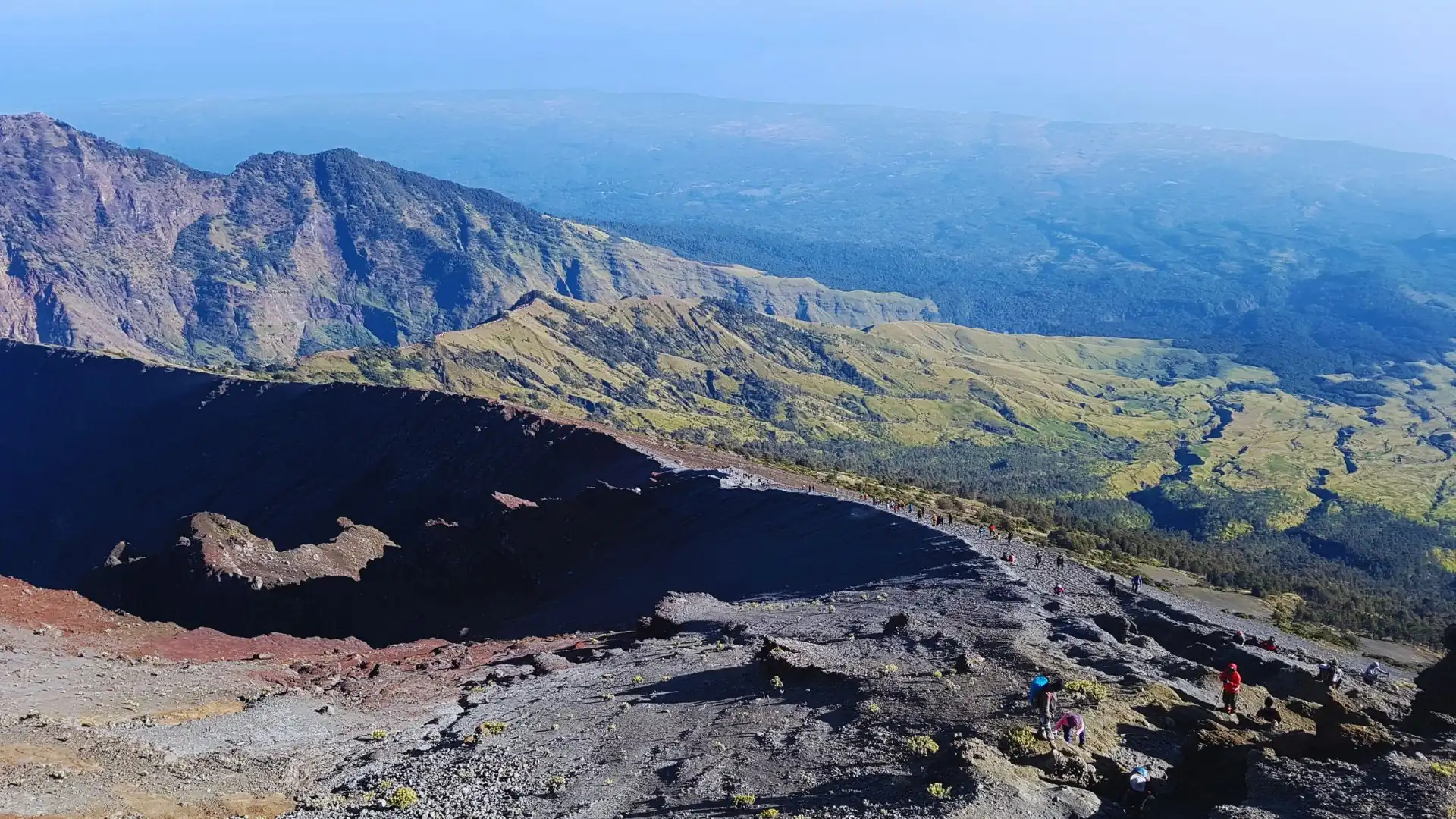
Standing on the Senaru Crater Rim, students look directly into the Rinjani caldera – down to Segara Anak crater lake and up to the full summit at 3,726m above. It is a dramatic and memorable objective in its own right.
For groups wanting more time on the mountain, a rest day at the crater rim, or the option of the Second Summit add-on, the 3 Day / 2 Night option gives significantly more flexibility. Most schools add days either side for sightseeing, snorkelling, and cultural activities, making total trip length typically 6 to 8 days.

Day 1 Distance: 9.8 km
Day 2 Distance: 13.7 km (Second Summit + descent)
Total Distance: 23.8 km
Max Elevation: 2,847m (Gunung Sengkereang)
Start Elevation: 594m (Senaru)
Elevation Gain: +2,383m
Elevation Loss: -2,383m
Start: Senaru Village
Finish: Senaru Village
Trek Summary
The 2 Day / 1 Night Second Summit program follows the same Day 1 as the Crater Rim route — a 9.8km climb from Senaru Village to the crater rim at 2,659 metres. On Day 2, before descending, students make the additional push to Gunung Sengkereang at 2,919 metres, a secondary peak on the crater rim that offers outstanding views across the caldera, Segara Anak crater lake, and the surrounding volcanic landscape.
The Second Summit adds 3.8km and approximately 260 metres of elevation gain from crater rim camp. Depending on group readiness and conditions on the day, it can be attempted as an early morning climb or a daytime ascent — the decision is made in the field by our guides based on what they observe from students on Day 1.
Day 2 is a long and demanding day regardless of conditions. Students who complete the Second Summit then face a full descent back to Senaru Village — a day that asks a great deal of legs that have already worked hard. This program is best suited to groups that arrive at crater rim camp on Day 1 in good shape, with energy and motivation intact. If students have struggled on the ascent, the Second Summit will be deferred in favour of a straightforward descent.
For schools wanting a dedicated summit day with a proper rest at crater rim camp beforehand, the 3 Day / 2 Night option is the more considered choice. Most schools build additional days around either program for sightseeing, snorkelling, and cultural activities, making total trip length typically 6 to 8 days including travel days.

Day 1 Distance: 9.8 km
Day 2 Distance: 3.8 km (Second Summit round trip)
Day 3 Distance: 9.9 km
Total Distance: 23.8 km
Max Elevation: 2,847m (Gunung Sengkereang)
Start Elevation: 594m (Senaru)
Elevation Gain: +2,383m
Elevation Loss: -2,383m
Start: Senaru Village
Finish: Senaru Village
Trek Summary
The 3 Day / 2 Night Second Summit program is our recommended option for most school groups attempting Gunung Sengkereang at 2,919 metres. Day 1 climbs from Senaru Village at 594 metres to the Senaru Crater Rim at 2,659 metres. Day 2 is dedicated entirely to the Second Summit — a focused 3.8km return from crater rim camp with no other demands on the day. Day 3 is the descent to Senaru Village.
The dedicated summit day is what separates this program from the 2-day version. Students arrive at Gunung Sengkereang with a full night’s rest behind them, no long descent waiting at the end of the day, and genuine time to absorb what they are standing on. The crater rim views, the caldera, and Segara Anak crater lake below are experiences worth taking slowly — and this itinerary allows for that in a way the 2-day format cannot.
The 3-day structure also builds in practical flexibility. Groups that find the Day 1 ascent harder than expected can camp lower on the trail and complete the final section to the rim on Day 2 morning before the summit push. This contingency option makes the program more manageable for groups of mixed ability without compromising the overall experience.
Most schools build additional days around this program for sightseeing, snorkelling, and cultural activities, making total trip length typically 6 to 8 days including travel days. Contact us to discuss whether this itinerary is the right fit for your group.
Altitude and Safety
Mount Rinjani presents genuine altitude considerations for school groups. The crater rim camps sit at 2,609 metres (Senaru) and 2,659 metres (Sembalun), and the summit reaches 3,726 metres. At these elevations, reduced oxygen levels can affect students who have not previously trekked at altitude, and schools should understand the risks and how Venture Beyond manages them.
Acute Mountain Sickness (AMS)
Acute Mountain Sickness is the most common altitude-related condition on Rinjani. Symptoms include headache, nausea, fatigue, dizziness, and disturbed sleep. Mild AMS is common at crater rim altitude and is manageable with rest, hydration, and a slower pace. Severe AMS — including High Altitude Pulmonary Oedema (HAPE) or High Altitude Cerebral Oedema (HACE) — is rare at Rinjani altitudes but is a serious medical emergency requiring immediate descent.
The most effective prevention is gradual ascent and adequate acclimatisation time. This is one of the primary reasons we recommend the 4 Day / 3 Night and 5 Day / 4 Night programs over the shorter options — more nights at altitude before the summit day significantly reduces AMS risk and improves summit success rates.
How Venture Beyond Manages Altitude Risk
Our guides monitor students continuously for AMS symptoms throughout the trek. Any student showing moderate or severe symptoms will be assessed by the guide team and, if necessary, descended immediately. Descent is the definitive treatment for AMS and is always prioritised over summit completion. No summit is worth a student’s health — a position our guides hold without compromise.
All guides are trained in altitude illness recognition and emergency response. Schools travelling with their own emergency response plan through providers such as International SOS can expect full cooperation from our team in executing that plan if required.
Pre-Expedition Preparation
Schools can reduce altitude risk through preparation before departure. We recommend that students complete at least one overnight trek at elevation before the Rinjani expedition where possible, and that the school’s trip medical officer or nurse reviews our altitude risk briefing document in advance. We provide this document to all schools at the time of booking.
Difficulty and Fitness
Climbing Mount Rinjani is physically demanding regardless of which program your school chooses. The terrain is unforgiving, the elevation gain is significant, and the multi-day format means students are asked to perform on tired legs. Honest preparation is the single most important factor in determining whether a student has a good experience or a difficult one.
How We Rate Difficulty
Venture Beyond uses four difficulty ratings across our Rinjani programs:
Moderate — sustained hiking on established trails with significant elevation gain. Suitable for students with a basic fitness base and no prior trekking experience, provided they have completed a structured preparation program before departure.
Moderate-Hard — multi-day trekking at altitude with cumulative fatigue. Requires a solid fitness base and ideally some prior overnight trekking experience. Not appropriate for students who do not exercise regularly.
Hard — demanding multi-day trekking with significant daily elevation gain, high-altitude camping, and a serious summit day. Requires demonstrated fitness and mental resilience. Students should be completing regular cardio training for at least 8 weeks before departure.
Very Hard — everything above, plus a pre-dawn or early morning summit push on terrain that is steep, loose, and unforgiving. Reserved for small groups where individual fitness and mental toughness have been assessed in advance. Not appropriate for school groups of mixed capability.
Recommended Fitness Preparation
For students on the Moderate and Moderate-Hard programs, we recommend a minimum of 8 weeks of structured preparation including regular cardiovascular exercise (running, cycling, or swimming), weekend day hikes with increasing elevation gain, and at least one overnight hike with a loaded pack before departure.
For students on the Hard and Very Hard programs, preparation should begin at least 12 weeks before departure and should include stair climbing or hill repeats, loaded pack hikes of 15km or more, and ideally an overnight trek at elevation. Students who cannot complete a 20km day hike comfortably are not ready for the summit programs.
A Note on Mixed-Ability Groups
Mixed-ability groups present a genuine operational challenge on Rinjani. A group that moves at the pace of its slowest member may not reach the summit or crater rim within the available daylight window. Venture Beyond guides will always prioritise student safety over program completion — but schools can avoid difficult field decisions by being honest about individual student fitness levels at the planning stage. Contact us to discuss your group profile before booking.
For schools whose students are not yet ready for the crater rim or summit programs, our Sembalun Highlands Expedition offers a genuine high-country trekking experience in the Sembalun valley without the demands of a Rinjani summit attempt. It is an excellent entry-level program and a strong foundation for a future Rinjani expedition.
Campsites
School groups on Venture Beyond expeditions camp in designated campsites within Mount Rinjani National Park. All camping equipment is carried by porters and set up by our team — students arrive at camp to find tents pitched, water available, and the cooking team already preparing the evening meal.
Senaru Crater Rim Camp — 2,609 metres
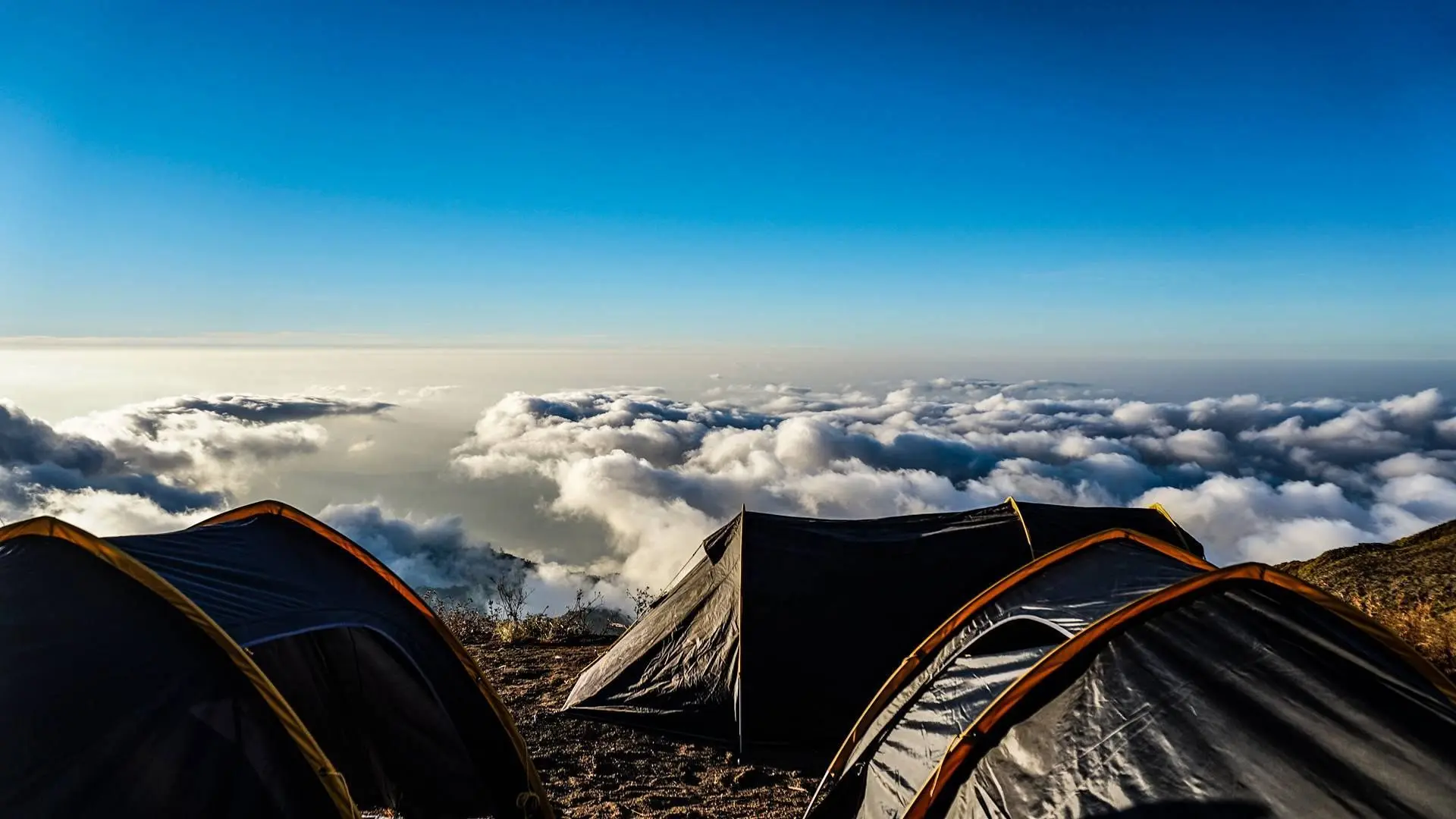
The Senaru Crater Rim sits on the northern edge of the caldera at 2,609 metres and is the primary campsite for Senaru-based programs. Camp is positioned on the rim with direct views across the caldera to Segara Anak crater lake and Gunung Barujari below. On clear evenings the sunset from the Senaru rim is one of the defining moments of the expedition. Temperatures at this altitude drop significantly after dark — students should expect 5 degrees Celsius or below overnight and be prepared with appropriate sleeping gear.
Sembalun Crater Rim Camp — 2,659 metres
The Sembalun Crater Rim sits on the eastern edge of the caldera at 2,659 metres and is the summit night camp for all programs finishing in Sembalun. The camp is more exposed than Senaru and can be significantly colder and windier, particularly in the hours before dawn on summit day. Students on the 4 Day / 3 Night and 5 Day / 4 Night programs spend two nights at Sembalun Rim — one before and one after the summit — which supports acclimatisation and reduces summit day fatigue.
Segara Anak Crater Lake Camp — 1,991 metres
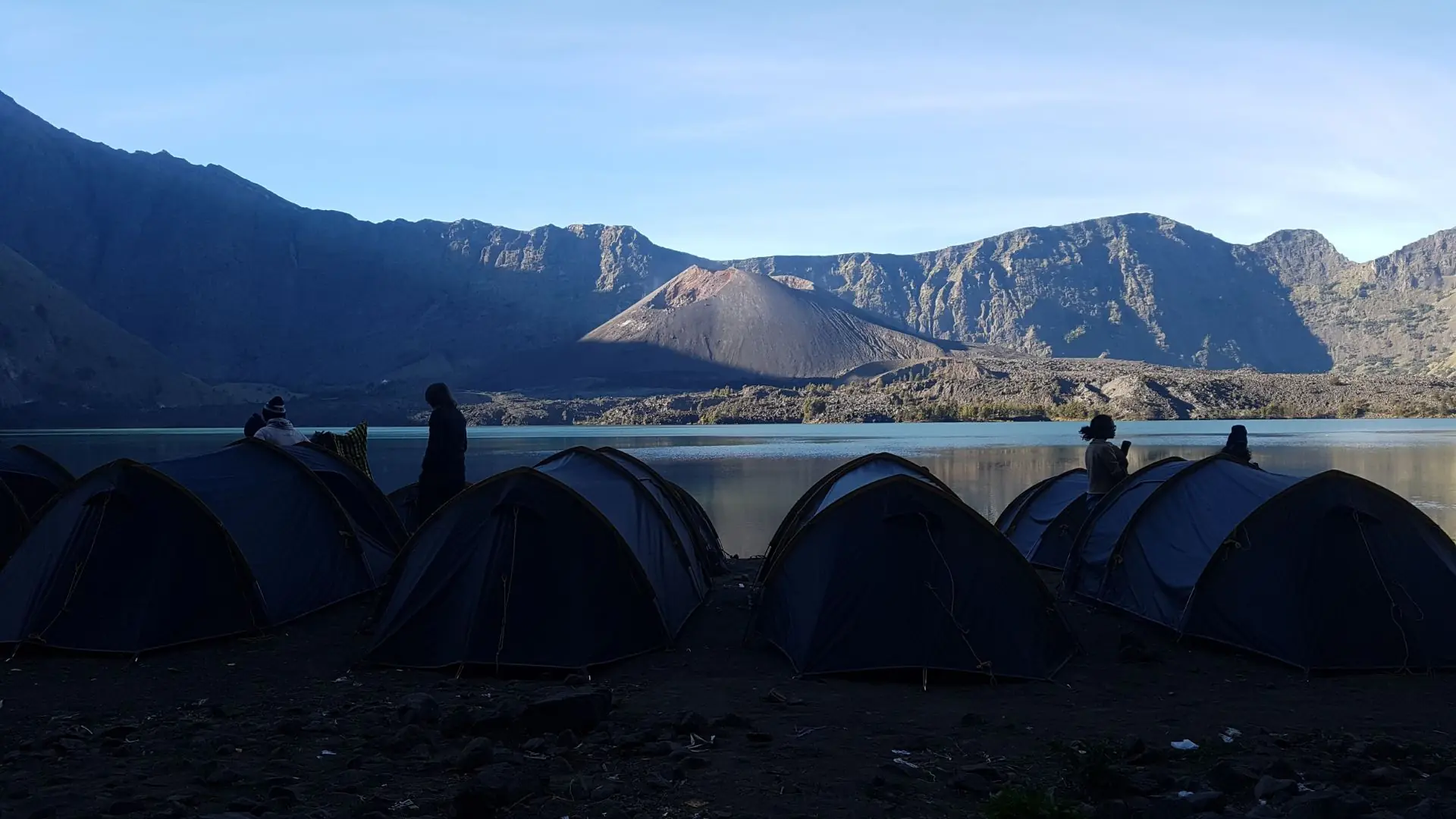
The crater lake camp sits at the shore of Segara Anak at 1,991 metres and is included in the 5 Day / 4 Night program. Camping at the lake is consistently described by students as one of the most extraordinary experiences of the expedition — the scale of the caldera walls, the turquoise water of the lake, and the proximity of Gunung Barujari create an environment unlike anywhere else in Indonesia. The hot springs on the lake’s eastern shore are a short walk from camp and are available for students to use in the evening or morning. Temperatures at lake level are warmer than the rim camps, making this the most comfortable night on the mountain.
Trail Camps
On programs where students do not reach the crater rim on Day 1, or where the guide team makes a field decision to camp lower due to group fatigue or weather, camping is possible at designated trail camping areas below the rim. These are flat cleared areas on the trail with basic facilities. Venture Beyond carries sufficient equipment to accommodate a trail camp on any program where it may be needed.
What to Expect at Camp
All campsites are basic wilderness environments. There are no permanent structures, no electricity, and no running water at altitude. Drinking water is carried by porters. Meals are cooked on gas stoves by our cook team and served at the campsite. Students sleep in shared tents, typically two to three per tent depending on group size. Sleeping bags rated to at least 0 degrees Celsius are required for all programs reaching the crater rim.
Weather on Mount Rinjani
Weather on Mount Rinjani varies significantly with altitude and season. Understanding what to expect helps schools plan appropriately and brief students on conditions before departure.
Seasons
The dry season runs from approximately April to November and is the only window during which Venture Beyond operates expeditions on Rinjani. During this period rainfall is minimal, trails are stable, and summit conditions are at their most predictable. The national park closes on 1 January and reopens on 1 April each year, so all programs must fall within the April to November window.
The wet season runs from December to March. During this period the upper mountain receives heavy rainfall, trails become dangerously slippery, and the summit routes are impassable. The park closure during this period is a safety measure, not an administrative one.
Temperature by Altitude
Temperatures drop significantly with altitude on Rinjani. As a general guide:
Senaru Village (594m) — warm and humid year-round. Daytime temperatures typically 26 to 32 degrees Celsius. Nights are mild.
Montane forest (1,000 to 2,000m) — cooler with higher humidity. Cloud cover is common in the afternoon. Daytime temperatures 18 to 24 degrees Celsius.
Crater Rim (2,600 to 2,659m) — significantly cooler, particularly after dark. Overnight temperatures regularly drop to 5 degrees Celsius or below. Wind chill can make it feel considerably colder. A warm insulating layer and sleeping bag rated to 0 degrees Celsius are essential.
Summit (3,726m) — cold, exposed, and subject to rapid weather changes. Pre-dawn summit temperatures can drop to 0 to 3 degrees Celsius with significant wind chill. Students must carry a down or heavy fleece layer, gloves, and a windproof shell for the summit push regardless of how warm the lower mountain feels.
Rain and Cloud
Even within the dry season, afternoon cloud and light rain are common on the upper mountain. Most days start clear and cloud builds through the afternoon — which is one reason daytime summits starting at 6am are preferable to later departures. Students should carry a waterproof shell jacket on every day of the trek regardless of the morning forecast.
Wind
The crater rim and summit are exposed to wind at all times of year. Strong gusts are common on the summit ridge and can make the descent from the summit technically demanding. Our guides monitor wind conditions continuously and will adjust the summit departure time or make turnaround decisions based on what they observe on the mountain.
What to Pack
A full gear list is provided to all schools at the time of booking. The summary below covers the essential items students need for a Rinjani expedition. Porters carry all group equipment — tents, cooking gear, food, water, and first aid supplies. Students carry only their personal daypack during the trek.
Clothing
Base layer — lightweight moisture-wicking top and leggings. Avoid cotton, which retains moisture and becomes cold when wet.
Mid layer — a warm fleece or lightweight down jacket. This is the most important item for crater rim nights and the summit push. Students who underpack on insulation regret it.
Outer layer — a waterproof and windproof shell jacket. Essential for afternoon cloud, rain, and summit wind chill. Must be carried in the daypack every day, not left in the tent.
Trekking trousers — lightweight and quick-drying. One pair is sufficient for most programs. Avoid jeans entirely.
Warm hat and gloves — required for crater rim nights and the summit. A thin beanie and lightweight gloves are sufficient for most conditions.
Sun protection — hat with a brim, UV-rated sunglasses, and high-SPF sunscreen. The upper mountain is exposed and UV intensity increases with altitude.
Spare socks and underwear — one spare set per day on the mountain is sufficient.
Footwear
Trekking boots — ankle support is essential on Rinjani. The terrain on the descent from the crater rim is loose volcanic scree and requires a boot that holds the ankle firmly. Trail running shoes are not appropriate for the summit routes. Boots must be broken in before departure — new boots on Rinjani is a common and painful mistake.
Camp sandals or lightweight shoes — for use at campsites in the evening. Optional but appreciated.
Daypack Essentials
Students carry a daypack of approximately 20 to 30 litres during the trek. It should contain:
Water (minimum 2 litres capacity), rain jacket, warm layer, snacks, headlamp with spare batteries, sunscreen, personal first aid items, trekking poles if used, camera or phone in a waterproof case, and any personal medication.
Sleeping Gear
A sleeping bag rated to at least 0 degrees Celsius is required for all programs reaching the crater rim. Students who run cold should consider a bag rated to minus 5 degrees. Sleeping mats are provided by Venture Beyond.
What Not to Bring
Large suitcases or wheeled luggage are not appropriate for the trek. Students should pack their personal gear into a duffel bag or soft pack that porters can carry easily. Valuables, laptops, and unnecessary electronics should be left at accommodation in Senaru or Sembalun during the trek.
A comprehensive gear list with specific product recommendations is available on request. Contact us and we will send it through.
Toilet Facilities
Toilet facilities on Mount Rinjani are basic and schools should brief students on what to expect before departure. This is one of the most common questions from both students and parents, and an honest answer upfront avoids surprises on the mountain.
At the Campsites
At all crater rim camps and the crater lake camp, Venture Beyond sets up a dedicated toilet tent for school groups. The toilet tent provides a private enclosed space around a hole dug by our porter and guide team at each campsite. It is checked and maintained by our team throughout the stay. This is standard practice on Rinjani and is managed professionally — students quickly adapt and it becomes a non-issue within the first day.
On the Sembalun Side at Lower Elevations
On the Sembalun approach at lower elevations there are some fixed toilet structures at designated rest points along the trail. These are basic enclosed squat toilet facilities. They are functional but should not be expected to meet the standard of permanent amenities.
On the Trail
Between campsites and rest stops, toilet breaks are taken in the bush. Our guides manage this discreetly and professionally. Venture Beyond follows strict leave-no-trace protocols — all waste is buried at appropriate depth and all toilet paper is carried out in sealed bags provided by our team. Students are briefed on this process before the trek begins.
What Venture Beyond Provides
All necessary toilet supplies are included in the expedition kit. This covers toilet paper, hand sanitiser, waste bags, and a trowel for trail stops. Students do not need to bring their own supply. The toilet tent, poles, and ground sheet are carried by our porter team and erected at each campsite.
Briefing Students
We recommend that schools address toilet facilities directly in their pre-departure student briefing rather than leaving it to be discovered on the mountain. Students who know what to expect arrive mentally prepared. In our experience, toilet facilities generate far more anxiety before the trek than they do during it — and are frequently cited by students afterwards as one of the more character-building aspects of the expedition.
Climbing Mount Rinjani
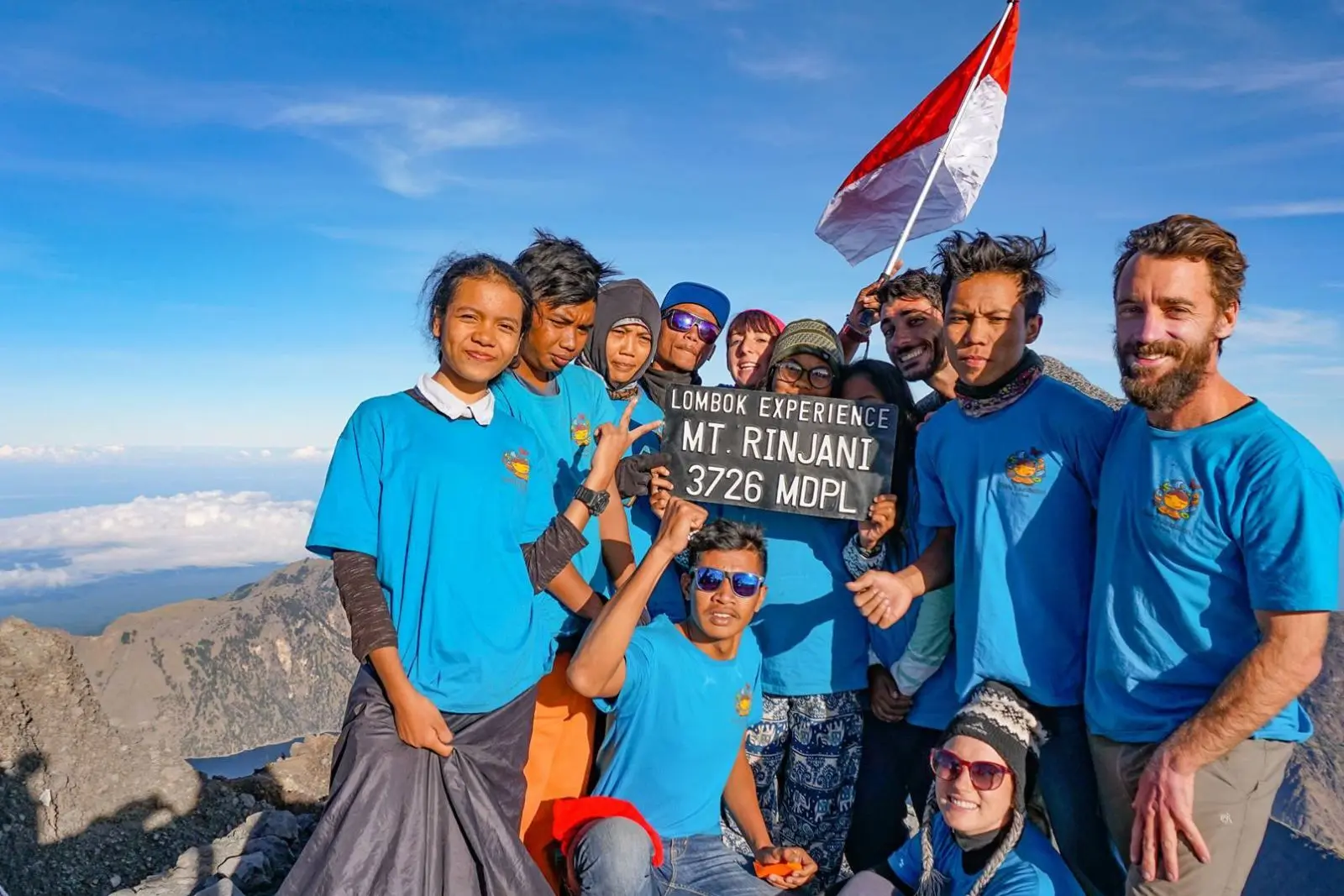
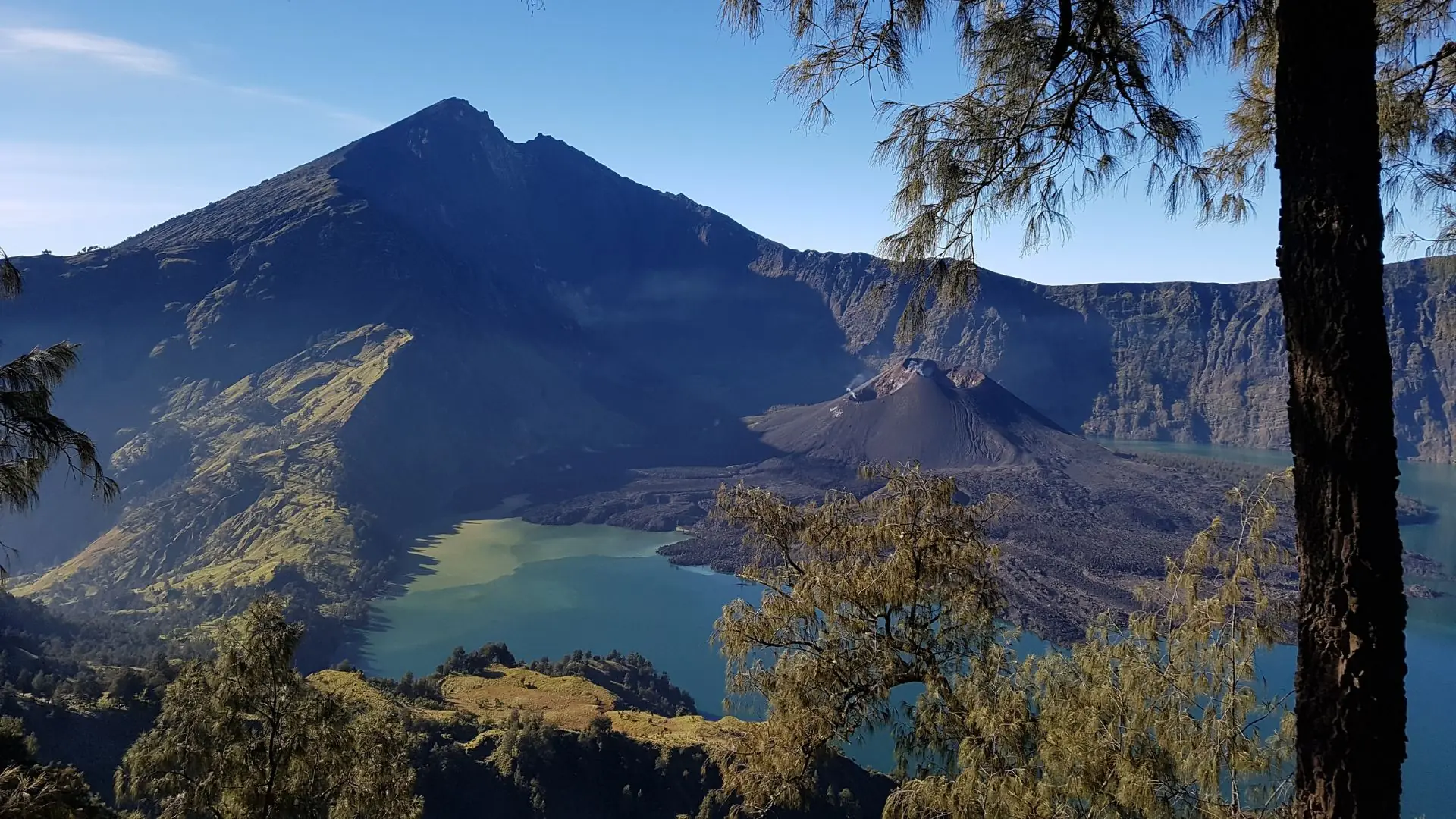
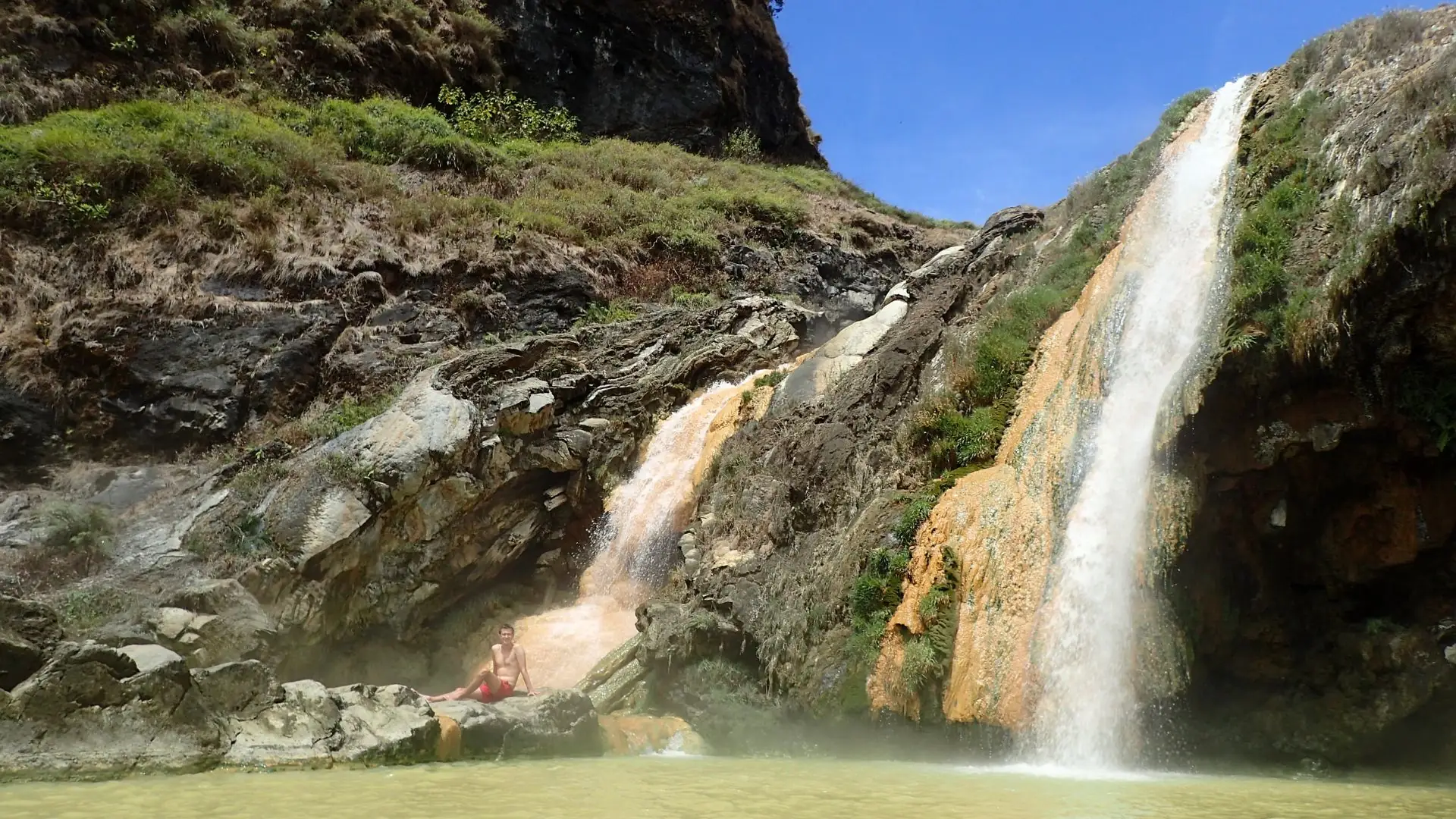
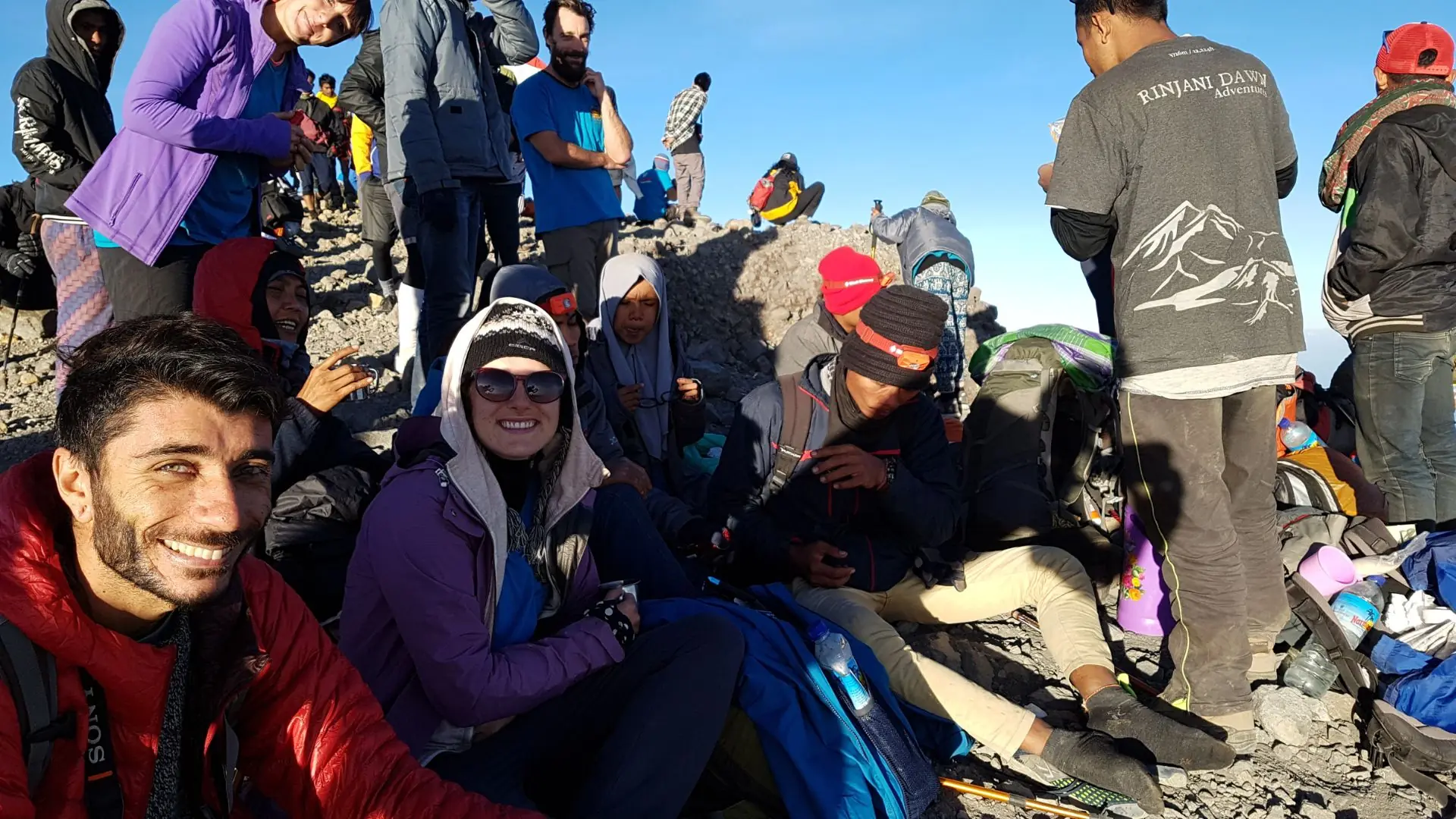
Frequently Asked Questions
How hard is it to climb Mount Rinjani with a school group?
Climbing Mount Rinjani is a serious physical undertaking and should not be underestimated. The mountain rises to 3,726 metres and the trekking routes involve significant elevation gain, challenging terrain, and multiple days on the mountain. Venture Beyond offers eight expedition options across a range of difficulty levels, from the Crater Rim program which is suitable for first-time expeditioners, to the full summit routes which require demonstrated fitness and mental resilience. The right program for your school depends on your students’ age, fitness base, and expedition experience. If you are unsure which option is appropriate, contact us and we will give you an honest assessment.
How long does it take to climb Mount Rinjani?
The duration depends on which expedition option your school chooses. Programs range from 2 days and 1 night for the Sembalun Loop or Crater Rim to 5 days and 4 nights for the full Senaru to Sembalun crossing. Venture Beyond recommends the 4 Day / 3 Night or 5 Day / 4 Night Senaru to Sembalun options for most school groups, as the additional time on the mountain allows for proper acclimatisation, genuine rest, and a summit experience that students can absorb rather than simply survive.
What is the difference between the Senaru and Sembalun routes?
The two main approaches to Mount Rinjani start from opposite sides of the mountain. Senaru sits on the northern slope at 594 metres and provides a more gradual ascent through montane forest, with access to Segara Anak crater lake and the hot springs. It is the longer, more complete mountain experience and is the starting point for most Venture Beyond school programs. Sembalun sits on the eastern slope at 1,063 metres and offers a more direct route to the summit via the crater rim. The Sembalun approach gains altitude faster, involves open savanna terrain rather than forest, and does not include a visit to the crater lake. Most Venture Beyond school programs that start in Senaru finish in Sembalun, completing a full mountain crossing.
Can students with no trekking experience climb Mount Rinjani?
Yes, with the right program. Students with no prior trekking experience are best suited to the Crater Rim program, which reaches 2,659 metres and provides a genuine multi-day wilderness challenge without the demands of a summit attempt. For students with a basic fitness base and some walking experience, the 3 Day / 2 Night or 4 Day / 3 Night Senaru programs are achievable with appropriate preparation. Venture Beyond provides detailed pre-expedition fitness guidance to all schools, and our guides assess student readiness throughout the program. No student is pushed beyond their capability — turnaround decisions are made by our guides in the field based on individual welfare.
What is the minimum age to climb Mount Rinjani?
There is no official minimum age set by the national park authority. In practice, Venture Beyond recommends a minimum age of 14 years for the Crater Rim program and 15 to 16 years for the summit routes, depending on the individual student’s physical and emotional maturity. We do not apply a blanket age cutoff — a mature, fit 14-year-old may be better prepared than an unfit 17-year-old. Schools should discuss the age and maturity profile of their group with Venture Beyond at the planning stage so we can recommend the most appropriate program.
What gear and clothing do students need for the climb?
The key requirements are warm layering for high altitude, sturdy trekking footwear, and rain protection. Temperatures at crater rim camp can drop to 5 degrees Celsius or below at night, and summit conditions can be significantly colder with wind chill. Students need a warm insulating layer (fleece or down jacket), a waterproof shell jacket, trekking trousers, a sleeping bag rated to at least 0 degrees Celsius, trekking boots with ankle support, a daypack, a headlamp, and sun protection for the exposed upper mountain. Porters carry all group equipment — students carry only their personal daypack during the trek. A full gear list is provided to all schools at the time of booking.
Where do school groups sleep on Mount Rinjani?
School groups camp in designated campsites within the national park. The main campsites used by Venture Beyond are Senaru Crater Rim Camp (2,609 metres) on the northern rim, and Sembalun Crater Rim Camp (2,659 metres) on the eastern rim. For the 5 Day / 4 Night program, groups also camp at Segara Anak crater lake (1,991 metres), one of the most extraordinary overnight locations in Indonesia. All camping equipment is carried by porters and set up by the Venture Beyond team. Students sleep in shared tents, typically two to three per tent depending on group size.
What are the toilet facilities like on Mount Rinjani?
Toilet facilities on Mount Rinjani are basic and schools should brief students accordingly. On the Sembalun side at lower elevations there are some fixed toilet structures, but for the majority of the expedition toilet facilities consist of toilet tents — a tent providing privacy around a hole dug by the porter and guide team at each campsite. On the trail between campsites, toilet stops are made in the bush following leave-no-trace protocols. Venture Beyond provides all necessary supplies including toilet paper, hand sanitiser, and waste bags as part of the expedition kit. This aspect of the expedition is consistently cited by students as one of the more character-building parts of the experience.
How are porters organised on school expeditions?
All Venture Beyond school expeditions use a full porter team managed by our on-ground partner Rinjani Dawn Adventures. Porters carry all group equipment including tents, cooking equipment, food, water, and first aid supplies. Students carry only their personal daypack. The number of porters is scaled to group size and our guide to student ratio is 1 guide per 4 students. All porters are local Sasak men from the gateway villages of Senaru and Sembalun, employed at fair wages in line with the Rinjani Trek Management Board guidelines. Working with local porters is an integral part of the cultural and community dimension of the expedition.
What eight expedition options does Venture Beyond offer on Mount Rinjani?
Venture Beyond offers eight expedition options on Mount Rinjani. The 2 Day / 1 Night Sembalun Loop is a demanding sunrise summit program suitable only for small, capable groups. The 3 Day / 2 Night Sembalun Loop is a daytime summit program suitable for most school groups. The 3 Day / 2 Night Senaru to Sembalun crossing is a very hard program for advanced groups with a sunrise summit. The 4 Day / 3 Night Senaru to Sembalun is our recommended flagship program for most schools, combining a full mountain crossing with a daytime summit. The 5 Day / 4 Night Senaru to Sembalun is our most recommended program for schools with the time, building in additional acclimatisation and a night at Segara Anak crater lake. The Crater Rim program is a 2 day / 1 night program reaching 2,659 metres, ideal for first-time expeditioners. The Second Summit is available as a 2 day / 1 night or 3 day / 2 night option reaching 2,919 metres, suitable for schools looking for an alternative to the main summit routes. Full details are available on our Expeditions page.
Start Planning Your Expedition
Ready to take the next step? Complete the form below and a member of the Venture Beyond team will be in touch within 24 hours.